Legislation
The Fair Seeds for Farmers Act limits intellectual property protections for plants and prohibits the enforcement of contracts that restrict seed saving, breeding, and agricultural research.
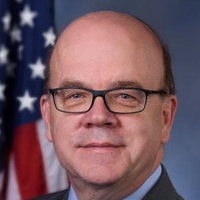
James McGovern
Representative
MA
James McGovern
Representative
MA
The "Fair Seeds for Farmers Act" limits intellectual property protections for plants to specific existing federal statutes, preventing broader patent claims on plant varieties and germplasm. Additionally, the bill renders unenforceable any contracts that restrict farmers and researchers from saving seeds or conducting plant breeding and experimentation.
The Examining Opioid Treatment Infrastructure Act of 2026 directs the GAO to evaluate and report on the national capacity, availability, and needs for inpatient and outpatient opioid-use disorder treatment.
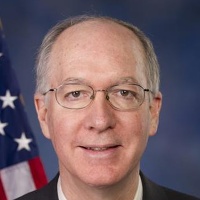
Bill Foster
Representative
IL
Bill Foster
Representative
IL
The "Examining Opioid Treatment Infrastructure Act of 2026" directs the Comptroller General to conduct a comprehensive study on the nation’s inpatient and outpatient treatment capacity for opioid-use disorders. This report will evaluate current availability, identify geographic gaps in care, and assess the overall need for evidence-based treatment services. Additionally, the study will examine barriers to data reporting to help improve the national response to the opioid crisis.
The Biomass Facility Construction Act reinstates and expands investment and production tax credits for new open- and closed-loop biomass energy facilities.
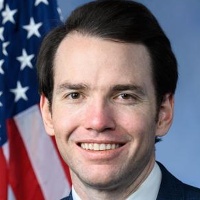
Kevin Kiley
Representative
CA
Kevin Kiley
Representative
CA
The Biomass Facility Construction Act incentivizes the development of renewable energy by reinstating and expanding investment and production tax credits for open- and closed-loop biomass facilities. By removing previous sunset dates and statutory limitations, the bill encourages new construction and long-term investment in biomass energy infrastructure.
The Streamlining Military Infrastructure Act requires the Department of Defense to assess the feasibility of using intergovernmental support agreements to expedite and manage minor military construction projects.
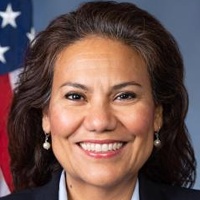
Veronica Escobar
Representative
TX
Veronica Escobar
Representative
TX
The Streamlining Military Infrastructure Act directs the Department of Defense to evaluate the feasibility of using intergovernmental support agreements to execute minor military construction projects. This legislation requires the military departments to assess potential cost-saving thresholds and identify specific infrastructure projects that could benefit from this streamlined approach.
This resolution seeks to block the implementation of the 2027 benefit and payment parameters for Affordable Care Act health insurance plans and the Basic Health Program.

Tammy Baldwin
Senator
WI
Tammy Baldwin
Senator
WI
This joint resolution seeks to block a recent Centers for Medicare & Medicaid Services rule that established the 2027 benefit and payment parameters for Affordable Care Act health insurance plans. If passed, the resolution would nullify the rule, preventing its implementation and ensuring it has no legal force or effect.
This resolution celebrates the historic 2026 FIFA World Cup as a symbol of continental unity and welcomes the global community to North America for the first-ever three-nation tournament.
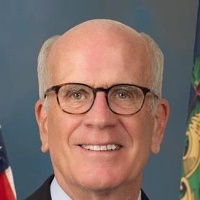
Peter Welch
Senator
VT
Peter Welch
Senator
VT
This resolution celebrates the historic 2026 FIFA World Cup, the first tournament to be jointly hosted by the United States, Canada, and Mexico. It recognizes the significance of this expanded global event in fostering international unity, cooperation, and peace through the spirit of sports. The bill formally welcomes players and fans to North America while commending the host nations and cities for their collaborative efforts.
The Health and Location Data Protection Act of 2026 prohibits data brokers from selling or transferring sensitive personal health and location information.

Elizabeth Warren
Senator
MA
Elizabeth Warren
Senator
MA
The Health and Location Data Protection Act of 2026 prohibits data brokers from selling or transferring sensitive health and location information. This legislation empowers the Federal Trade Commission, state attorneys general, and private individuals to enforce these protections through civil lawsuits and significant financial penalties. By restricting the trade of this personal data, the bill aims to enhance individual privacy and security.
The Fiscal Sponsorship Transparency Act of 2026 establishes new reporting requirements, definitions, and excise taxes for tax-exempt organizations to ensure greater accountability and prevent improper conduit arrangements in fiscal sponsorship.
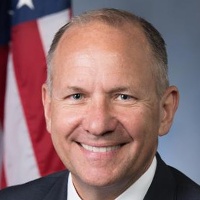
Lloyd Smucker
Representative
PA
Lloyd Smucker
Representative
PA
The Fiscal Sponsorship Transparency Act of 2026 establishes new reporting requirements and tax penalties for charitable organizations that use fiscal sponsorship arrangements. The bill aims to increase oversight by mandating detailed disclosures of these arrangements and imposing excise taxes on improper conduit arrangements where organizations fail to maintain proper discretion and control over funds.
The Sunshine Protection Act of 2025 establishes daylight saving time as the permanent, year-round standard time across the United States, while providing states the option to maintain their current standard time.

Vern Buchanan
Representative
FL
Vern Buchanan
Representative
FL
The Sunshine Protection Act of 2025 proposes making daylight saving time the permanent, year-round standard time across the United States. By advancing standard time zones by one hour, the bill eliminates the need for biannual clock changes. Additionally, it provides states that currently observe standard time year-round the option to maintain their existing timekeeping practices.
The Water Resources Development Act of 2026 authorizes critical infrastructure projects, streamlines Army Corps of Engineers processes, and provides long-term funding for national drinking water, wastewater, and regional ecosystem restoration programs through 2030.

Shelley Capito
Senator
WV
Shelley Capito
Senator
WV
The Water Resources Development Act of 2026 authorizes critical investments in national water infrastructure, including flood control, navigation, and ecosystem restoration projects managed by the Army Corps of Engineers. The bill also reauthorizes key EPA programs through 2030 to improve drinking water safety, modernize wastewater systems, and address emerging contaminants like PFAS. By streamlining project approvals and increasing funding for rural and disadvantaged communities, the legislation aims to enhance climate resilience and strengthen the security of the nation's water resources.
The Failing Bank Acquisition Fairness Act restricts federal regulators from waiving bank concentration limits during mergers unless necessary to prevent severe economic harm and mandates increased transparency and congressional reporting for such exceptions.
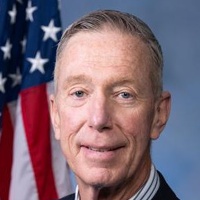
Stephen Lynch
Representative
MA
Stephen Lynch
Representative
MA
The Failing Bank Acquisition Fairness Act restricts federal regulators from waiving bank concentration limits during mergers and acquisitions, allowing exceptions only when necessary to prevent severe economic instability and when no other qualified bids exist. The bill also mandates increased transparency by requiring regulators to provide Congress and the public with a detailed justification for any such waivers. Additionally, it prohibits the consideration of bids that would violate existing banking laws when determining the least costly resolution for a failing institution.
The TEACH Improvement Act of 2026 reforms the TEACH Grant program by updating award amounts, establishing stricter institutional accountability for loan conversions, and creating a streamlined process for borrowers to reinstate grants.
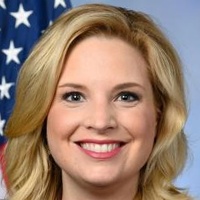
Ashley Hinson
Representative
IA
Ashley Hinson
Representative
IA
The TEACH Improvement Act of 2026 reforms the TEACH Grant program by updating award amounts, streamlining the service obligation process, and establishing new oversight measures for participating institutions. The bill introduces stricter accountability for schools with high grant-to-loan conversion rates and creates a formal process for borrowers to have erroneously converted loans reinstated as grants. Additionally, it mandates expanded reporting and enhanced servicer accountability to ensure the program effectively supports future educators.
The SAFEGUARDS Act of 2026 mandates that aviation security fees be exclusively dedicated to funding essential safety initiatives, infrastructure upgrades, and advanced checkpoint technology.
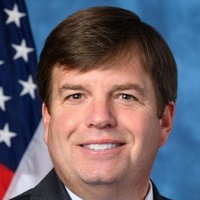
Dale Strong
Representative
AL
Dale Strong
Representative
AL
The SAFEGUARDS Act of 2026 ensures that passenger-paid aviation security fees are used exclusively for their intended purpose: strengthening commercial aviation safety. The bill mandates that these funds be directed toward essential security initiatives, including the modernization of screening technology and the support of security personnel. By establishing dedicated funding streams, the legislation aims to protect traveler security and restore public trust in the management of aviation fees.
The Common Cents Act mandates the end of penny production, authorizes new nickel compositions, and establishes voluntary guidelines for rounding cash transactions to the nearest five cents.

Lisa McClain
Representative
MI
Lisa McClain
Representative
MI
The Common Cents Act directs the U.S. Mint to cease the production of pennies for general circulation while authorizing new, cost-effective manufacturing specifications for nickels. The bill establishes voluntary guidelines for rounding cash transactions to the nearest five cents and provides legal protections for businesses that adopt these practices. Additionally, it mandates that the Federal Reserve develop a strategic plan to ensure a stable transition and monitor the impact of these changes on the public.
This bill designates the United States Postal Service facility located at 10660 Page Avenue in Fairfax, Virginia, as the "Congressman Gerald E. Connolly Post Office Building."
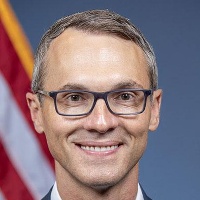
James Walkinshaw
Representative
VA
James Walkinshaw
Representative
VA
This bill designates the United States Postal Service facility located at 10660 Page Avenue in Fairfax, Virginia, as the "Congressman Gerald E. Connolly Post Office Building." All official federal references to this location will be updated to reflect this new name.
The D.C. Taxing Authority Review Act requires explicit congressional approval for all District of Columbia laws related to taxes, fees, or Title 47 of the D.C. Code before they can take effect.

James Comer
Representative
KY
James Comer
Representative
KY
The D.C. Taxing Authority Review Act requires explicit congressional approval for any District of Columbia legislation that imposes or increases taxes or fees, or relates to Title 47 of the D.C. Code. Under this bill, such acts will no longer take effect automatically after the standard review period but must instead be passed by a joint resolution of Congress. Additionally, the legislation establishes expedited, one-hour debate limits in the Senate for these specific approval resolutions.
This resolution opposes a proposed OMB rule that would replace merit-based scientific review with political oversight and restrict research into diversity, equity, and inclusion, arguing that such changes would undermine U.S. health research and exacerbate health disparities.

Debbie Dingell
Representative
MI
Debbie Dingell
Representative
MI
This resolution opposes a proposed rule that would grant political appointees oversight of federal research grants and restrict funding for diversity, equity, and inclusion (DEI) initiatives. It argues that these changes would undermine the integrity of the merit-based peer review system and hinder critical research into health disparities. Ultimately, the resolution reaffirms the necessity of inclusive, science-driven research to ensure equitable health outcomes for all Americans.
This comprehensive housing package expands rental assistance for the homeless, incentivizes the construction of affordable housing through zoning reform and tax credits, and provides new support for rural communities and first-time homebuyers.

Ron Wyden
Senator
OR
Ron Wyden
Senator
OR
This comprehensive housing bill aims to end homelessness and increase housing affordability by expanding federal rental vouchers, funding the construction of new units, and incentivizing local zoning reform. It also overhauls the federal tax code to boost affordable housing production, support middle-income renters, and provide significant financial assistance to first-time homebuyers. Through these measures, the legislation seeks to stabilize the housing market for the lowest-income Americans while strengthening rural housing and homeownership opportunities nationwide.
This Act prohibits payment card networks and processors from assigning specific merchant category codes to identify firearms retailers, protecting the privacy of firearm and ammunition purchases.
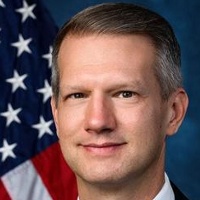
Riley Moore
Representative
WV
Riley Moore
Representative
WV
The Protecting Privacy in Purchases Act prohibits payment card networks and processors from assigning specific merchant category codes to firearms retailers. This legislation aims to protect consumer privacy by preventing the tracking of firearm and ammunition purchases through specialized financial classification. The Attorney General is tasked with enforcing these provisions and reporting annually on compliance.
This bill updates federal survivor benefits for D.C. police, firefighters, and teachers by extending eligibility to domestic partners, adjusting remarriage rules, and allowing federal employees to count past D.C. service toward their federal retirement benefits.

Eleanor Norton
Representative
DC
Eleanor Norton
Representative
DC
The National Capital Revitalization and Self-Government Improvement Act Technical Corrections Act of 2026 updates federal survivor benefits for District of Columbia police, firefighters, and teachers by extending eligibility to domestic partners and aligning remarriage policies with federal standards. Additionally, the bill allows certain federal employees to make voluntary deposits to include past District of Columbia service in their federal retirement benefit calculations.