This act amends existing law to strengthen the requirements for maintaining facilities and programs, and to revise the composition and term limits for the governing board overseeing Native Hawaiian art and culture grants.
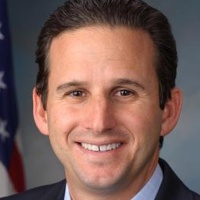
Brian Schatz
Senator
HI
The Native Arts and Culture Promotion Act amends existing legislation to strengthen support for Native arts and culture nationwide. This bill modifies the requirements for the Institute's Board of Trustees and mandates the ongoing maintenance of its facilities and programs. Furthermore, it updates grant requirements for Native Hawaiian art and culture to ensure representation from recognized Native Hawaiian artists and cultural experts on governing boards.
Native Arts Act Strengthens Grant Boards, Ensures Cultural Programs Keep Running
The Native Arts and Culture Promotion Act is a short, targeted piece of legislation that updates the rules governing the American Indian, Alaska Native, and Native Hawaiian Culture and Art Development Act. Essentially, this bill is focused on making sure the institutions dedicated to preserving and promoting Native arts are run more effectively, especially concerning grants for Native Hawaiian culture.
Keeping the Doors Open: The 'Maintain' Clause
One of the most practical changes involves the Institute established under the original Act. Previously, the law required the Institute to "establish" its facilities and programs. This new bill amends Section 1521(b) to require the Institute not only to "establish" but also to "maintain" these facilities and programs. Think of it this way: establishing a program is like opening a coffee shop. Maintaining it is making sure the lights stay on, the espresso machine works, and the doors open every morning. This simple word change ensures the Institute prioritizes the long-term continuity of its cultural preservation efforts, which is good news for artists and communities relying on those resources.
Expert Governance for Hawaiian Arts
The biggest structural change is aimed at the grant system for Native Hawaiian art and culture. If you’ve ever applied for a grant, you know the people reviewing your application matter. Under the amended Section 1521(c), the governing board that oversees these grants must now meet two specific requirements. First, it must include Native Hawaiians and individuals widely recognized as experts in Native Hawaiian art and culture. This ensures that funding decisions are made by people who actually understand the cultural significance and context of the art they are reviewing, moving beyond just general arts administrators. Second, members must serve for a fixed term, which helps prevent stagnation and ensures fresh perspectives cycle through the leadership.
Streamlining Oversight
Finally, the bill removes one specific reporting requirement from the Native Hawaiian grant section (Section 1521(c)(3)). While removing any reporting requirement can sometimes raise an eyebrow about transparency, this change is likely aimed at streamlining administrative work, especially since the bill simultaneously strengthens the grant board's cultural expertise and governance structure. On a separate note, the bill also removes the word "private" from the description of the Institute's Board of Trustees, a minor tweak that might slightly broaden the scope of who can serve on the board, though the practical effect of this change remains to be seen.