Legislation
The Blocking CCP Spy Tech Act of 2026 mandates a national security review of specific Chinese technology companies to determine if their equipment poses a risk to U.S. communications infrastructure.
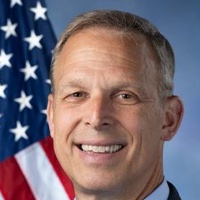
Scott Perry
Representative
PA
Scott Perry
Representative
PA
The Blocking CCP Spy Tech Act of 2026 mandates a national security review of specific Chinese technology companies to determine if their equipment and services pose a risk to the United States. If deemed a threat, or if no determination is made within one year, the Federal Communications Commission must add these entities to the "covered list," effectively restricting their use. Additionally, the bill requires the Department of Defense to annually evaluate these companies for potential designation as Chinese military companies operating within the U.S.
The FARM AI Act of 2026 establishes a national framework to accelerate the adoption of artificial intelligence in agriculture through expanded research, workforce training, and the creation of a dedicated AI Advisor at the Department of Agriculture.
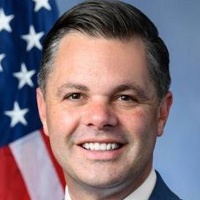
Zachary (Zach) Nunn
Representative
IA
Zachary (Zach) Nunn
Representative
IA
The FARM AI Act of 2026 aims to modernize the American agricultural sector by prioritizing artificial intelligence in Department of Agriculture research, extension, and workforce development programs. The bill establishes a new Artificial Intelligence Agriculture Advisor to promote the adoption of AI technologies and coordinate the development of national standards for digital agriculture. These efforts are designed to improve farm productivity, enhance resource management, and expand economic opportunities for farmers across the country.
This bill mandates the development and implementation of a comprehensive strategy to dismantle UNRWA and transition its humanitarian responsibilities to alternative, accountable organizations.

Michael Lawler
Representative
NY
Michael Lawler
Representative
NY
The "Replace UNRWA with Real Humanitarian Assistance Act" mandates that the Secretary of State develop and implement a comprehensive strategy to dismantle the United Nations Relief and Works Agency (UNRWA). The bill requires a structured transition plan to transfer UNRWA’s humanitarian services to alternative entities, ensuring continued aid while prioritizing transparency, accountability, and neutrality.
This act mandates that the Department of Health and Human Services assess and publicly report on the safety risks, inspection trends, and regulatory oversight of food products imported into the United States.
Michael Lawler
Representative
NY
Michael Lawler
Representative
NY
The Protecting America’s Food Supply Act of 2026 mandates a comprehensive federal assessment of the public health risks associated with imported food products. This legislation requires the Department of Health and Human Services to publicly report on foreign facility safety records, inspection trends, and regulatory oversight. By increasing transparency, the Act ensures that imported food meets rigorous safety standards and aligns with established U.S. inspection mandates.
The Fit Future Act establishes a President’s Council to advise on national strategies for promoting physical fitness, sports participation, and healthy nutrition among American youth.
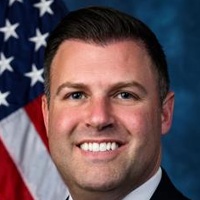
Ryan Mackenzie
Representative
PA
Ryan Mackenzie
Representative
PA
The Fit Future Act establishes the President’s Council on Sports, Fitness, and Nutrition to advise the administration on strategies for improving national health and physical activity. The Council is tasked with promoting youth fitness programs, addressing the national security implications of sedentary lifestyles, and fostering partnerships to encourage healthy habits across all levels of society.
This bill mandates that the Department of Homeland Security improve inter-agency data sharing and establish performance metrics to more effectively detect, deter, and seize illicit fentanyl.
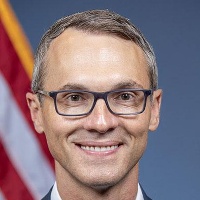
James Walkinshaw
Representative
VA
James Walkinshaw
Representative
VA
The Measuring Illicit Fentanyl Trafficking Act mandates that the Department of Homeland Security improve inter-agency data sharing to better combat the flow of illicit fentanyl. Additionally, the bill requires the establishment of standardized performance metrics to track and evaluate the effectiveness of the Department’s detection and interdiction efforts.
The TOTAL Screen Time Act directs the National Institute of Standards and Technology to develop voluntary technical standards for managing and limiting screen time for minors across various electronic devices.
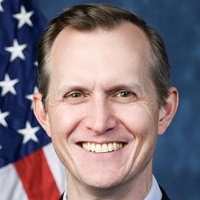
George Whitesides
Representative
CA
George Whitesides
Representative
CA
The TOTAL Screen Time Act directs the National Institute of Standards and Technology (NIST) to develop voluntary technical standards for managing screentime limits across phones, computers, gaming consoles, and other devices. This initiative aims to provide parents and guardians with secure, privacy-focused tools to help manage the digital habits of minors. The bill also mandates regular reporting to Congress to track the development and adoption of these standards.
The Cure Hepatitis C Act of 2026 mandates a national program to eliminate hepatitis C in the United States by expanding access to no-cost treatments, enhancing public health screening, and coordinating federal efforts through 2033.
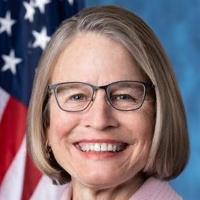
Mariannette Miller-Meeks
Representative
IA
Mariannette Miller-Meeks
Representative
IA
The "Cure Hepatitis C Act of 2026" establishes a comprehensive national program to eliminate the hepatitis C virus in the United States by 2032. The bill mandates the creation of a federal strategy, an advisory committee, and a subscription-based drug procurement model to provide curative treatments at no cost to priority populations, including those in correctional facilities, Indian health programs, and Medicaid. Additionally, it authorizes significant funding for public health grants, diagnostic testing, and the elimination of out-of-pocket costs for hepatitis C treatments under Medicare.
The PRESERVE Act mandates that the General Services Administration establish preservation committees and formal plans to protect and maintain public access to government-commissioned artwork before disposing of surplus federal property.
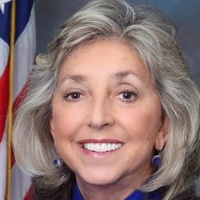
Dina Titus
Representative
NV
Dina Titus
Representative
NV
The PRESERVE Act ensures the protection of publicly commissioned artwork located on federal property slated for sale, transfer, or demolition. It mandates that the General Services Administration establish a specialized Preservation Committee to develop and implement plans to safeguard these cultural assets. Ultimately, the bill requires that such artwork remains preserved and accessible to the public, even after the property changes hands.
The FEMA Caseworker Accountability Act directs the Comptroller General to report to Congress on turnover rates and staffing trends among FEMA’s case management personnel.
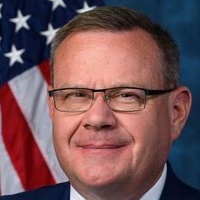
Tim Moore
Representative
NC
Tim Moore
Representative
NC
The FEMA Caseworker Accountability Act directs the Comptroller General to conduct a comprehensive study on staff turnover within the Federal Emergency Management Agency’s case management personnel. This report will provide Congress with critical data on employment duration, retention efforts, and the impact of temporary disaster recovery assignments. The findings aim to increase transparency and accountability regarding FEMA's workforce stability.
The PATH Act directs the Secretary of Labor to establish a grant program supporting pre-apprenticeship training in the building and construction trades for underrepresented populations.
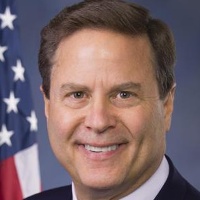
Donald Norcross
Representative
NJ
Donald Norcross
Representative
NJ
The Pre-Apprenticeships To Hardhats (PATH) Act authorizes the Secretary of Labor to award competitive grants to partnerships that develop pre-apprenticeship programs in the building and construction trades. This initiative aims to increase career opportunities for underrepresented populations, including women, minorities, veterans, and individuals from low-income or rural communities. By funding training and curriculum development, the bill helps participants gain the necessary skills to successfully transition into registered apprenticeship programs.
The High Court Gift Ban Act prohibits federal judicial officers from accepting gifts exceeding $50 per instance or $100 annually from a single source, with specific exceptions and enforcement penalties.
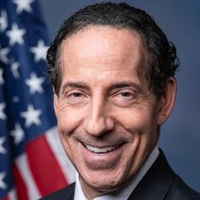
Jamie Raskin
Representative
MD
Jamie Raskin
Representative
MD
The High Court Gift Ban Act establishes strict limits on gifts accepted by federal judicial officers, prohibiting any gift valued over $50 or exceeding $100 in total annual value from a single source. The bill includes specific exemptions for personal hospitality, professional events, and family gifts, while mandating enforcement through the Judicial Conference and potential civil or criminal penalties for violations.
The Water Emergency and Technical Assistance Act authorizes increased funding and expanded federal support to help communities address critical drinking water and wastewater infrastructure emergencies.
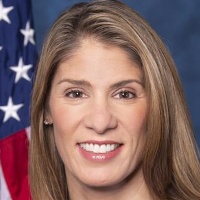
Lori Trahan
Representative
MA
Lori Trahan
Representative
MA
The Water Emergency and Technical Assistance Act strengthens federal support for water infrastructure by expanding the EPA’s authority to intervene in public health emergencies. The bill increases funding for drinking water assistance and establishes a new grant program to help communities address emergency clean water and sewer system failures. These measures ensure that critical repairs remain economically feasible for ratepayers while protecting public health.
The McCarty and Heideman Air Safety Enhancement Act mandates an FAA review and update of low-altitude airspace safety policies, specifically regarding the marking and identification of temporary obstructions like slacklines.
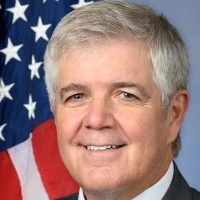
Cliff Bentz
Representative
OR
Cliff Bentz
Representative
OR
The McCarty and Heideman Air Safety Enhancement Act directs the FAA to conduct a comprehensive review of policies regarding low-altitude airspace safety, specifically focusing on the marking and identification of temporary hazards like slacklines. The bill mandates stakeholder consultation and requires the FAA to update regulations if current safety measures are found to be inadequate. Additionally, it requires the FAA to brief Congress on its findings and any necessary improvements to aviation safety protocols.
The 7(a) Program Risk Oversight Act mandates expanded, transparent public reporting on risk, fraud, and delinquency data for Small Business Administration 7(a) loan guarantees.
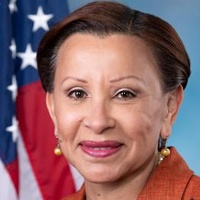
Nydia Velázquez
Representative
NY
Nydia Velázquez
Representative
NY
The 7(a) Program Risk Oversight Act amends the Small Business Act to increase transparency and oversight of the SBA’s 7(a) loan program. It mandates more granular, category-specific risk reporting by the Office of Credit Risk Management and requires that these annual reports be made publicly available online within seven days of submission to Congress.
The No New Fencing At the White House Act prohibits the use of any public or private funds to install new permanent fencing around the White House complex.

Eleanor Norton
Representative
DC
Eleanor Norton
Representative
DC
The "No New Fencing At the White House Act" prohibits the use of any federal, state, foreign, or private funds to install new permanent fencing around the White House complex. The bill includes an exception that allows for the necessary repair or replacement of existing fencing currently in place.
This bill establishes a federal framework to promote sustainable offshore aquaculture through coordinated permitting, commercial demonstration projects, workforce development, and rigorous scientific oversight.
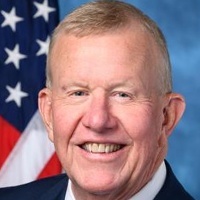
Mike Ezell
Representative
MS
Mike Ezell
Representative
MS
This bill establishes a federal framework to support the development of a sustainable offshore aquaculture industry through the creation of a dedicated Office of Aquaculture and a commercial-scale demonstration program. It streamlines the permitting process while mandating rigorous environmental oversight, safety standards, and public reporting. Additionally, the legislation invests in workforce development and research through new grant programs and partnerships with minority-serving and Tribal institutions.
The Expanding Opportunities for Recovery Act of 2026 authorizes federal grants to states to increase access to evidence-based, clinically appropriate treatment for individuals struggling with opioid addiction.
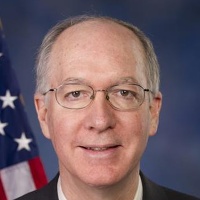
Bill Foster
Representative
IL
Bill Foster
Representative
IL
The "Expanding Opportunities for Recovery Act of 2026" authorizes federal grants to states to increase access to evidence-based, clinically appropriate treatment for opioid abuse and addiction. This program specifically targets individuals who are uninsured or underinsured, ensuring they receive necessary care, including medication-assisted treatment. States receiving these funds are required to report on patient outcomes to ensure program effectiveness and transparency.
The Grad Student Affordable Housing Act of 2026 establishes a HUD program to provide income-eligible graduate students with tenant-based housing vouchers covering 80 percent of fair market rent.

Valerie Foushee
Representative
NC
Valerie Foushee
Representative
NC
The Grad Student Affordable Housing Act of 2026 directs the Department of Housing and Urban Development to establish a voucher program providing housing assistance to eligible graduate students. Under this program, qualified students meeting specific income requirements can receive vouchers covering 80 percent of their fair market rent.
This bill directs the Coast Guard to establish a three-year pilot program providing specialized technical assistance and training to field units to improve the corrosion prevention, maintenance, and operational readiness of maritime assets.
Mike Ezell
Representative
MS
Mike Ezell
Representative
MS
The "United States Coast Guard Corrosion Control Assistance Team Pilot Program Act" directs the Coast Guard to establish a three-year pilot program aimed at improving the maintenance and service life of maritime assets. By deploying specialized technical teams to provide on-site assistance and training, the program seeks to implement best practices for corrosion prevention modeled after successful Department of Defense initiatives. The Coast Guard will evaluate the program's effectiveness through data collection and reporting to determine the feasibility of a permanent, full-scale corrosion control strategy.