Legislation
The MERIT Act of 2026 mandates that any individual serving as the Acting Director of National Intelligence must possess the same professional national security expertise required of a permanent Director.
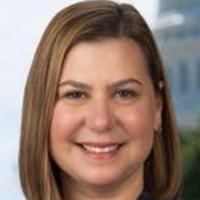
Elissa Slotkin
Senator
MI
Elissa Slotkin
Senator
MI
The MERIT Act of 2026 ensures that any individual serving as the Acting Director of National Intelligence possesses the same professional national security qualifications required of a permanent Director. This legislation aims to maintain consistent standards of expertise for leadership within the U.S. intelligence community.
The Water Emergency and Technical Assistance Act of 2026 authorizes increased funding and technical support for EPA emergency responses to drinking water and wastewater crises while establishing new economic feasibility criteria for federal intervention.
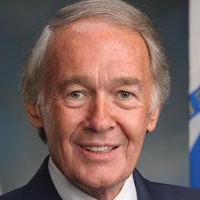
Edward Markey
Senator
MA
Edward Markey
Senator
MA
The Water Emergency and Technical Assistance Act of 2026 enhances the EPA’s capacity to address public health threats by increasing funding for drinking water emergencies and establishing a new grant program for clean water treatment works. The bill also introduces economic feasibility criteria to ensure federal intervention is prioritized for situations where local ratepayers cannot reasonably bear the costs of necessary repairs. These measures authorize $100 million in annual funding from 2027 through 2031 to support critical water infrastructure resilience.
The Western Water Infrastructure Fairness Act increases the federal cost-share to 90 percent for rural water projects benefiting economically disadvantaged communities in the West.
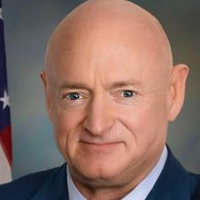
Mark Kelly
Senator
AZ
Mark Kelly
Senator
AZ
The Western Water Infrastructure Fairness Act increases federal cost-sharing support for rural water projects in the Western United States. By covering 90 percent of project costs for economically disadvantaged communities, the bill aims to improve water infrastructure accessibility and affordability in these regions.
The Living Wage For All Act establishes a phased-in path to a $25 federal minimum wage, indexed to inflation, while eliminating subminimum wages for tipped workers, youth, and individuals with disabilities.
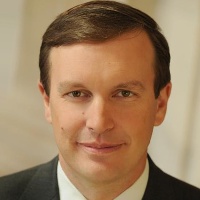
Christopher Murphy
Senator
CT
Christopher Murphy
Senator
CT
The Living Wage For All Act establishes a path to a $25 federal minimum wage, requiring large corporations to reach this benchmark within five years and providing a longer transition period for smaller employers. The bill also phases out subminimum wages for tipped workers, youth employees, and individuals with disabilities to ensure all workers earn a fair, living wage. Once the $25 target is met, the minimum wage will be indexed to national median wage growth to maintain its purchasing power over time.
The PROMISE Act of 2026 establishes an expedited legislative process to ensure the long-term financial solvency of Social Security trust funds for at least 50 years.
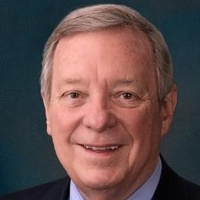
Richard Durbin
Senator
IL
Richard Durbin
Senator
IL
The PROMISE Act of 2026 establishes a formal, expedited legislative process designed to ensure the long-term solvency of Social Security. The bill mandates that the Social Security Advisory Board develop recommendations to guarantee 100 percent of scheduled benefits for the next 50 years. It further creates a "fast-track" framework for Congress to introduce, debate, and vote on these solvency measures within a strict 2026 timeline and provides a mechanism for decennial reviews to maintain future financial stability.
The NO BOSS Act expands access to self-employment assistance programs by removing eligibility barriers and streamlining requirements for entrepreneurial training and business development.
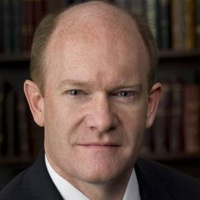
Christopher Coons
Senator
DE
Christopher Coons
Senator
DE
The New Opportunities for Business Ownership and Self-Sufficiency (NO BOSS) Act expands access to self-employment assistance programs by removing the requirement that participants must be likely to exhaust their unemployment benefits. The bill modernizes program standards to prioritize entrepreneurial training, business counseling, and the development of formal business plans. These updates aim to provide greater flexibility and support for unemployed individuals looking to transition into business ownership.
The Mamas First Act mandates that state Medicaid programs cover and eliminate cost-sharing for essential services provided by doulas, midwives, and lactation support providers to improve maternal health outcomes.
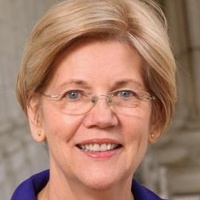
Elizabeth Warren
Senator
MA
Elizabeth Warren
Senator
MA
The Mamas First Act aims to address the maternal mortality crisis in the United States by mandating that state Medicaid programs cover services provided by doulas, midwives, and lactation support providers. Beginning in 2027, this legislation ensures these essential maternal health services are accessible to all Medicaid beneficiaries without any copays or cost-sharing. By expanding access to these specialized care providers, the bill seeks to improve birth outcomes and reduce health disparities across the country.
This bill designates the Department of Veterans Affairs medical center in West Haven, Connecticut, as the "Captain Paul W. Bud Bucha VA Medical Center" in honor of the late Medal of Honor recipient and veterans' advocate.
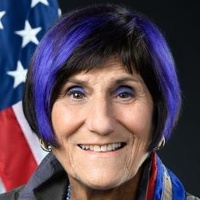
Rosa DeLauro
Representative
CT
Rosa DeLauro
Representative
CT
The Captain Paul W. Bud Bucha VA Medical Center Act of 2025 honors the legacy of the late Medal of Honor recipient and veterans' advocate by renaming the Department of Veterans Affairs medical center in West Haven, Connecticut, in his memory. This designation serves as a tribute to Captain Bucha’s extraordinary heroism in Vietnam and his lifelong commitment to supporting fellow veterans.
The CLEAN Act accelerates geothermal energy development by mandating annual lease sales and establishing strict, time-bound deadlines for processing drilling permit applications.
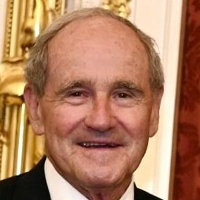
James Risch
Senator
ID
James Risch
Senator
ID
The Committing Leases for Energy Access Now (CLEAN) Act aims to accelerate geothermal energy development by mandating annual lease sales on federal lands. Additionally, the bill establishes strict, binding timelines for the federal government to process and approve geothermal drilling permit applications.
This legislation empowers Indian tribes to manage land leases and rights-of-way independently by streamlining the federal approval process for tribal regulations.
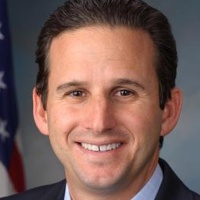
Brian Schatz
Senator
HI
Brian Schatz
Senator
HI
The Unlocking Native Lands and Opportunities for Commerce and Key Economic Developments Act of 2025 empowers Indian tribes to manage their own lands by streamlining the leasing and rights-of-way process. By allowing tribes to implement their own approved regulations, the bill reduces federal oversight and fosters greater tribal sovereignty over economic development. This legislation simplifies land-use procedures while maintaining essential environmental review standards and federal trust responsibilities.
The Citizenship Act of 2026 codifies the declaration of an invasion at the U.S. border and restricts birthright citizenship for children born to individuals designated as invaders.
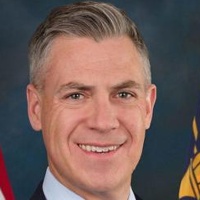
Jim Banks
Senator
IN
Jim Banks
Senator
IN
The Citizenship Act of 2026 formally declares the current state of illegal immigration as an invasion and restricts birthright citizenship for children born to individuals designated as "invaders." The bill amends the Immigration and Nationality Act to deny automatic citizenship to children born in the U.S. to parents who are unlawfully present or engaged in birth tourism. Additionally, the legislation prohibits judicial review of the official declaration of an invasion.
The EARLY Act Reauthorization of 2025 extends federal funding for young women’s breast health education and awareness programs through 2031.
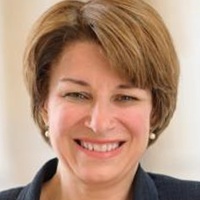
Amy Klobuchar
Senator
MN
Amy Klobuchar
Senator
MN
The EARLY Act Reauthorization of 2025 extends the authorization for the Young Women’s Breast Health Education and Awareness Requires Learning Young Act of 2009. This legislation ensures that vital breast health education and awareness programs for young women remain funded through 2031.
The Stop TNR Act of 2026 establishes a federal definition and sentencing enhancement for transnational repression while centralizing government oversight, reporting, and investigative strategies to combat foreign-directed intimidation of individuals within the United States.
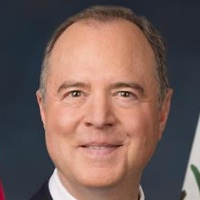
Adam Schiff
Senator
CA
Adam Schiff
Senator
CA
The Stop TNR Act of 2026 establishes a formal legal definition for "transnational repression" to better identify and prosecute foreign-backed efforts to harass, intimidate, or harm individuals within the United States. The bill mandates stricter sentencing enhancements for these offenses, centralizes federal oversight of related investigations, and requires regular reporting to Congress. Additionally, it directs the government to develop strategies to counter AI-enabled repression and reviews existing tools to ensure a robust defense against foreign interference.
The Safeguard Kids Act amends the Elementary and Secondary Education Act to provide mental health support for AI-related issues and fund educational programs on the responsible use of artificial intelligence in schools.
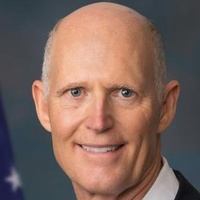
Rick Scott
Senator
FL
Rick Scott
Senator
FL
The Safeguard Kids Act amends the Elementary and Secondary Education Act to address the impact of artificial intelligence in schools. It authorizes federal funding for mental health counseling to support students affected by AI chatbots and provides resources for schools to teach students about the responsible use, limitations, and dangers of AI technologies.
The Mystic Alerts Act directs the FCC to establish rules for mobile service providers to optionally transmit emergency alerts via satellite while ensuring consumer choice and provider liability protections.
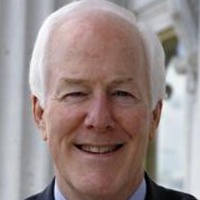
John Cornyn
Senator
TX
John Cornyn
Senator
TX
The Mystic Alerts Act requires satellite-capable mobile service providers to determine whether they will transmit emergency alerts via satellite to their subscribers. The Federal Communications Commission will establish the necessary technical rules and standards to support this capability while ensuring consumer choice and providing liability protections for participating providers. This legislation aims to expand the reach of emergency alerts to ensure more users receive critical safety information.
This bill authorizes the U.S. Army Corps of Engineers to conduct wildfire risk assessments for federal dams and infrastructure in Arizona to improve prevention, mitigation, and recovery efforts.
Mark Kelly
Senator
AZ
Mark Kelly
Senator
AZ
The Wildfire Prevention and Recovery Act authorizes the U.S. Army Corps of Engineers to conduct comprehensive wildfire risk assessments for federal dams and reservoirs in Arizona. This initiative aims to protect critical water infrastructure by identifying potential vulnerabilities, evaluating post-wildfire impacts like sedimentation, and developing effective mitigation strategies to ensure community safety and operational continuity.
The Stop Settlement Slush Funds Act of 2026 prohibits federal agencies from including third-party payments in settlement agreements, except for direct restitution or services rendered, while mandating increased transparency and oversight.
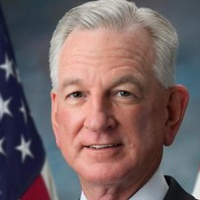
Tommy Tuberville
Senator
AL
Tommy Tuberville
Senator
AL
The Stop Settlement Slush Funds Act of 2026 prohibits federal officials from including third-party payments in government settlement agreements, unless those payments directly provide restitution for actual harm or compensate for services rendered. The bill also mandates annual reporting to the Congressional Budget Office and requires Inspector General audits to ensure agency compliance. These measures aim to increase transparency and prevent the redirection of settlement funds to non-governmental entities.
This Act establishes an Office of Water Supply, Water Conservation, and Drought Resiliency within the U.S. Army Corps of Engineers to improve water resource management, streamline project coordination, and enhance drought preparedness.
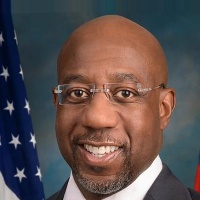
Raphael Warnock
Senator
GA
Raphael Warnock
Senator
GA
The Securing America's Water Supply Act mandates the creation of a dedicated office within the U.S. Army Corps of Engineers to prioritize water supply, conservation, and drought resiliency. This office will streamline the management of reservoir storage, provide technical assistance to non-federal partners, and coordinate efforts to address water scarcity. Additionally, the Act requires the Secretary of the Army to report to Congress on the office's progress and the status of ongoing water supply projects.
The Medical Bankruptcy Fairness Act of 2026 provides critical bankruptcy protections, expanded exemptions, and debt relief options for individuals facing financial hardship due to medical issues or health-related employment loss.
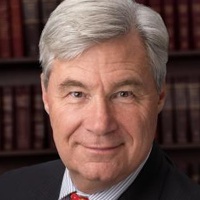
Sheldon Whitehouse
Senator
RI
Sheldon Whitehouse
Senator
RI
The Medical Bankruptcy Fairness Act of 2026 provides essential financial protections for individuals facing bankruptcy due to significant medical debt or health-related employment loss. The bill offers relief by increasing homestead exemptions, waiving certain administrative bankruptcy requirements, and simplifying the discharge of student loans for qualifying debtors. Additionally, it protects the credit reputations of these individuals by excluding such bankruptcy filings from consumer credit reports.
This resolution reaffirms the commitment to universal accessibility by advocating for the full implementation of disability-inclusive design standards across all federally funded infrastructure and public facilities.
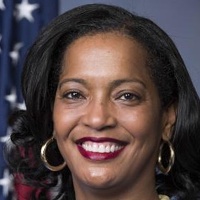
Jahana Hayes
Representative
CT
Jahana Hayes
Representative
CT
This resolution reaffirms the federal commitment to ensuring equal access to public facilities and rights-of-way for all individuals, including the more than 70 million Americans living with disabilities. It supports the full implementation of accessibility guidelines for pedestrian infrastructure and pledges to prioritize universal, inclusive design in all future federal projects. By upholding the principles of the Americans with Disabilities Act, the bill aims to remove systemic barriers and guarantee that all citizens can engage fully and safely in society.