This bill extends key consumer protections, including disclosure requirements and billing error rights, to "buy now, pay later" loans under the Truth in Lending Act and places lenders under CFPB supervision.
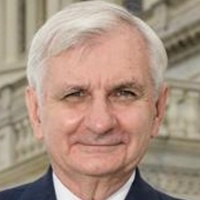
John "Jack" Reed
Senator
RI
The Buy Now, Pay Later Protection Act of 2025 extends key consumer protections from the Truth in Lending Act, such as clear disclosures and billing error rights, to "buy now, pay later" loans. This legislation also grants consumers the right to dispute merchant-related issues directly with the loan provider under certain circumstances. Furthermore, the bill places lenders offering these services under the direct supervision of the Consumer Financial Protection Bureau (CFPB).
New BNPL Bill Extends Credit Card Protections to 'Buy Now, Pay Later' Loans, Adds CFPB Oversight
If you’ve bought anything online recently, chances are you’ve seen the option at checkout: “Pay in 4 interest-free installments.” That’s the Buy Now, Pay Later (BNPL) model, and it’s become a massive part of how people pay for everything from sneakers to furniture. The problem is, while it looks like credit, it hasn’t been treated like credit—until now. The Buy Now, Pay Later Protection Act of 2025 is setting out to change that by officially folding these loans under the established rules of the Truth in Lending Act (TILA).
This bill specifically defines a BNPL loan as a closed-end consumer loan for a retail purchase that is repaid in four or fewer installments and, crucially, carries no finance charge (interest). By doing this, the legislation extends several critical consumer rights, which have long protected credit card users, to cover these short-term payment plans. This means BNPL providers will now have to offer the same clear cost disclosures (SEC. 2) you see when opening a credit card, giving consumers a much clearer picture of what they’re signing up for before they click “purchase.”
Dispute Rights: The Faulty Fridge Clause
One of the biggest changes for consumers involves dispute rights. Right now, if you buy a faulty item using a BNPL plan, your options for stopping payment are often limited. This bill changes that by extending Consumer Claims and Defenses (Section 170 of TILA) to BNPL loans. In plain English, this means if you buy a defective item—say, a fridge that breaks a week after delivery—you can withhold payment on the BNPL loan if you have a legitimate dispute with the merchant. This protection is key, but there’s a catch: it only applies if the merchant is “closely related” to the BNPL creditor, a term that the bill doesn't define, which could create some gray areas when you try to use this right.
Furthermore, the bill gives you the right to dispute billing errors (SEC. 2, Section 161) and requires the BNPL provider to send periodic statements (SEC. 2, Section 171(a)), similar to a monthly credit card statement. This is a huge win for transparency and accountability, ensuring that if you spot a charge that looks wrong, the provider is legally obligated to investigate it, rather than just pointing you back to the merchant.
Federal Oversight for the Fintech Giants
Perhaps the most significant structural change is the addition of federal oversight. The bill amends the Consumer Financial Protection Act of 2010 to place BNPL providers directly under the supervision of the Consumer Financial Protection Bureau (CFPB) (SEC. 3). This means the CFPB, the federal agency tasked with watching over consumer finance, will now have the authority to examine, regulate, and enforce rules against BNPL companies. For consumers, this is a major upgrade in protection, ensuring that a federal watchdog is monitoring the industry and can step in if widespread abuses occur. The CFPB is also tasked with issuing all necessary rules to implement these changes within one year of the law’s enactment.
Who Benefits and Who Bears the Cost?
Consumers who rely on BNPL—often younger adults or those managing tight budgets—are the clear beneficiaries here, gaining crucial protections without the loans being classified as high-interest credit. However, this new regulatory framework will undoubtedly increase compliance costs for BNPL companies. They will need to overhaul their systems to handle formal billing disputes, issue periodic statements, and meet new disclosure requirements. These companies, and potentially the merchants who rely on them, may face increased administrative burdens and the risk of payment reversals under the new dispute rules. While the bill is a net positive for consumer rights, it’s worth noting that the definition of a BNPL loan explicitly excludes loans that do charge interest, meaning similar installment plans that charge high rates remain outside the scope of these new protections.