This resolution honors the life, musical genius, and enduring spiritual legacy of Reverend Richard Smallwood.
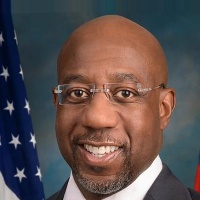
Raphael Warnock
Senator
GA
This resolution honors the life and enduring legacy of Reverend Richard Smallwood, a world-class composer, pianist, and arranger. It recognizes his profound musical and spiritual contributions to gospel music and American culture, highlighted by iconic compositions like "Total Praise." The bill celebrates his extensive career as an educator, recording artist, and minister. Finally, it formally mourns his passing and directs that copies of the resolution be sent to his family and affiliated institutions.
Congress Formally Honors Gospel Legend Richard Smallwood, Citing 'Total Praise' and 8 Grammy Noms
This resolution is a formal tribute honoring the life and lasting musical legacy of the late Reverend Richard Smallwood, a powerhouse composer, pianist, and arranger in gospel music. It serves as an official legislative acknowledgment of his contributions to American culture and his passing. The core of the resolution is a detailed list of his achievements, spanning his early musical training at Howard University and forming his first choir at age 11, right up to the celebration of his 75th birthday by the National Symphony Orchestra in 2024.
The Soundtrack of a Legacy
For those who grew up with gospel music, Richard Smallwood’s work is foundational. This resolution highlights the major milestones that put him on the map. It specifically calls out the 1977 formation of the Richard Smallwood Singers, which helped introduce a more contemporary sound to the genre. If you’ve ever heard the songs "Total Praise," "Center of My Joy," or "I Love the Lord"—the latter made famous by Whitney Houston in The Preacher's Wife—you’ve experienced his work. The resolution notes his impressive career stats: 8 Grammy nominations and 3 Dove Awards, recognizing his impact across the music industry.
Beyond the Studio
The resolution doesn't just focus on the charts; it recognizes Smallwood's roles as an educator and a minister. He taught music at the University of Maryland and other institutions, shaping the next generation of artists. Furthermore, it acknowledges his spiritual leadership, noting his ordination in 2004 and his Master of Divinity degree from Howard University. This comprehensive approach underscores that his influence extended far beyond the recording studio, blending classical gospel with themes of hope and resilience that resonated with millions.
Official Recognition
Since this is a commemorative resolution, it doesn't change any laws or regulations, nor does it involve any spending. Its primary purpose is to mourn his passing and officially honor his life and contributions. As a final administrative step, the resolution requests that the Senate Secretary transmit copies of the official tribute to his family, Howard University, and the Metropolitan Baptist Church of the District of Columbia. This ensures that the institutions and people closest to Reverend Smallwood receive the formal recognition of his legacy from the legislative body.