Legislative Activity
Track Joe's sponsored bills, co-sponsored legislation, and voting record
This resolution formally denounces socialism based on its historical association with totalitarianism, mass death, and economic failure, affirming the foundational principles of individual liberty and property rights.

Maria Salazar
Representative
FL
Maria Salazar
Representative
FL
This Concurrent Resolution formally denounces the ideology of socialism based on its historical outcomes. It asserts that socialist principles have consistently led to totalitarian regimes, mass atrocities, and economic collapse worldwide. The resolution contrasts these failures with the founding principles of the United States, concluding with a statement opposing the implementation of socialist policies domestically.
This act grants the Federal Energy Regulatory Commission (FERC) exclusive authority to approve or deny natural gas and LNG terminal applications, deeming such exports and imports consistent with the public interest, while preserving presidential sanction authority.
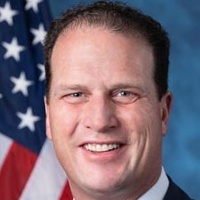
August Pfluger
Representative
TX
August Pfluger
Representative
TX
This act grants the Federal Energy Regulatory Commission (FERC) exclusive authority to approve or deny applications for natural gas and LNG export/import facilities, mandating that such actions be considered consistent with the public interest. The legislation clarifies that it does not limit the President's existing authority to impose sanctions through trade restrictions.
This bill establishes the Semiquincentennial Congressional Time Capsule to be sealed in 2026 and opened in 2276.
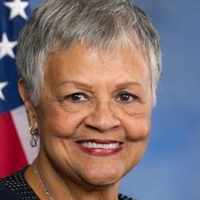
Bonnie Watson Coleman
Representative
NJ
Bonnie Watson Coleman
Representative
NJ
This bill establishes the Semiquincentennial Congressional Time Capsule to commemorate the 250th anniversary of the United States. The capsule, created by the Architect of the Capitol and filled with items chosen by the four congressional leadership offices, will be sealed in the Capitol Visitor Center. It is mandated to remain sealed until July 4, 2276, when it will be presented to the 244th Congress.
This bill refines Medicare payment systems to improve patient access to new kidney care treatments, adjusts payment updates based on forecast accuracy, and expands Medicare coverage for kidney disease screening and education.
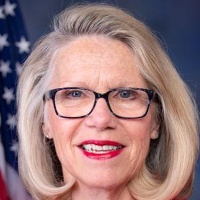
Carol Miller
Representative
WV
Carol Miller
Representative
WV
The Kidney Care Access Protection Act aims to improve patient access to innovative kidney care treatments by reforming Medicare payment systems for new drugs and devices. It also addresses payment stability by adjusting for forecast errors in dialysis service updates and enhances prevention efforts. Finally, the Act expands Medicare coverage for chronic kidney disease screening and education services starting in 2026.
This bill mandates a comprehensive threat assessment and strategic plan from the Secretary of Homeland Security regarding the criminal organization Tren de Aragua's impact on U.S. border security.
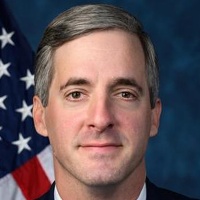
Brad Knott
Representative
NC
Brad Knott
Representative
NC
This Act requires the Secretary of Homeland Security to conduct a comprehensive border threat assessment on the criminal organization Tren de Aragua. Following this assessment, the Secretary must submit a strategic plan detailing how to counter the identified threats along the nation's borders. The legislation aims to enhance security by focusing federal efforts against this specific transnational criminal organization.
This bill updates the Medicare physician fee schedule conversion factor annually based on the Medicare Economic Index starting in 2026.
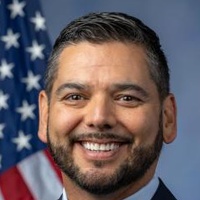
Raul Ruiz
Representative
CA
Raul Ruiz
Representative
CA
This bill, the Strengthening Medicare for Patients and Providers Act, updates how Medicare physician payments are adjusted annually starting in 2026. It mandates that the annual update to the Medicare physician fee schedule conversion factor will be directly tied to the estimated percentage increase in the Medicare Economic Index (MEI). This change ensures physician payment updates reflect economic changes measured by the MEI for 2026 and beyond.
This act mandates Medicare coverage for FDA-approved early detection screening tests for Alzheimer's disease and related dementias beginning in 2028.

Vern Buchanan
Representative
FL
Vern Buchanan
Representative
FL
The Alzheimer’s Screening and Prevention Act of 2025 (ASAP Act) amends Medicare to cover early detection screening tests for Alzheimer's disease and related dementias starting in 2028. This coverage applies to FDA-cleared tests, including genomic sequencing and other equivalent diagnostic methods, designed to detect pre-symptomatic or early-stage conditions. The bill ensures these screenings are added to the list of covered medical services under Medicare.
This resolution supports the goals of National Rural Health Day by recognizing the vital role of rural communities and committing to policies that improve rural healthcare access and affordability.

Diana Harshbarger
Representative
TN
Diana Harshbarger
Representative
TN
This resolution officially recognizes and supports the goals of National Rural Health Day to honor the vital role of rural communities and their healthcare providers. It acknowledges the unique challenges faced by rural residents, such as limited access to care and hospital closures. The bill expresses a commitment to advancing policies that improve the accessibility and affordability of healthcare in rural America.
This resolution expresses Congressional support for the Republic of Kazakhstan's accession to the Abraham Accords, recognizing the strategic and economic benefits for the region.
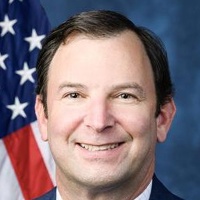
Craig Goldman
Representative
TX
Craig Goldman
Representative
TX
This resolution expresses strong Congressional support for the Republic of Kazakhstan's accession to the Abraham Accords, marking it as the first Central Asian nation to join. The bill highlights the strategic and economic benefits for participating nations, including investment, technology, and tourism. It encourages both Israel and Kazakhstan to deepen their bilateral ties and urges other nations to normalize relations with Israel. Ultimately, this measure supports the expansion of the Accords to promote regional peace and prosperity.
This resolution expresses Congress's strong support for the enduring strategic partnership between the United States and India, emphasizing shared democratic values, defense cooperation, and mutual interests in the Indo-Pacific.
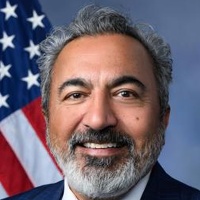
Ami Bera
Representative
CA
Ami Bera
Representative
CA
This resolution expresses the sense of Congress recognizing the strategic value of the long-standing partnership between the United States and India, founded on shared democratic values and mutual interests. It highlights the deep cooperation across defense, technology, counterterrorism, and economic ties. The bill encourages the expansion of this relationship to ensure a free and open Indo-Pacific.
This act expands eligibility for veterans to transfer their Post-9/11 educational assistance benefits to dependents, including those who have completed 17 years of service or are retired under chapter 61 of title 10.
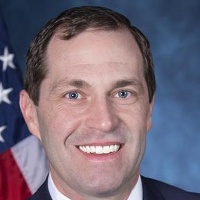
Jason Crow
Representative
CO
Jason Crow
Representative
CO
The Veterans Earned Education Act expands the eligibility for service members to transfer Post-9/11 educational assistance benefits to their dependents. This change modifies existing service requirements, specifically adding pathways for individuals who have completed at least 17 years of service or who are retired under specific Armed Forces chapters to transfer these educational benefits. The legislation broadens the scope of who can transfer these earned benefits to family members.
This bill authorizes the Departments of Justice and State to provide technical assistance and support to Ukraine to facilitate the return of abducted children, exchange prisoners of war, and release civilian detainees.
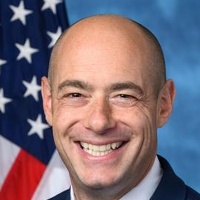
Greg Landsman
Representative
OH
Greg Landsman
Representative
OH
This bill, the Abducted Ukrainian Children Recovery and Accountability Act, authorizes the Departments of Justice and State to provide technical assistance and training to Ukraine. This support aims to help Ukraine secure the exchange of prisoners of war, release civilian detainees, and facilitate the return of forcibly transferred Ukrainian children. The legislation also mandates support for the rehabilitation of returned children and the investigation and prosecution of those responsible for the abductions.
This bill authorizes the posthumous award of a Congressional Gold Medal to Major Thomas D. Howie for his extraordinary heroism during the Battle of Normandy.

Sheri Biggs
Representative
SC
Sheri Biggs
Representative
SC
This bill authorizes the posthumous award of a Congressional Gold Medal to Major Thomas D. Howie for his extraordinary bravery and leadership during the Battle of Normandy. The medal will be presented to his next of kin before being permanently displayed at The Citadel Museum. The Treasury Secretary is also authorized to strike and sell bronze duplicates of the medal.
This resolution honors the service and sacrifice of America's veterans and reaffirms the nation's commitment to supporting them and their families.
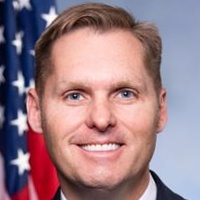
Michael Guest
Representative
MS
Michael Guest
Representative
MS
This resolution honors the service and sacrifice of America's veterans on Veterans Day, 2025, recognizing the history of the observance from Armistice Day. It affirms the nation's deep commitment to supporting the over 15 million veterans and their families. The resolution calls upon the public to observe Veterans Day and ensure veterans continue to receive the services they deserve.
This bill authorizes the President to extend normal trade relations to products from any country except Belarus, Cuba, and North Korea.
Carol Miller
Representative
WV
Carol Miller
Representative
WV
This bill grants the President the authority to extend nondiscriminatory trade treatment (normal trade relations) to products from specific countries. This action effectively terminates the application of Title IV of the Trade Act of 1974 for those designated countries, excluding Belarus, Cuba, and North Korea.
This bill impeaches Chief Judge James E. Boasberg for allegedly authorizing improper nondisclosure orders that infringed upon the legislative duties of several Members of Congress.

Brandon Gill
Representative
TX
Brandon Gill
Representative
TX
This resolution initiates impeachment proceedings against Chief Judge James E. Boasberg of the U.S. District Court for the District of Columbia for high crimes and misdemeanors. The core allegation is that Judge Boasberg improperly authorized nondisclosure orders related to an FBI investigation that covered Members of Congress acting under their legislative duties. These actions are cited as compromising the separation of powers and violating existing federal statute regarding notification of legal process. The resolution calls for the judge's removal from office based on these alleged improprieties.
This resolution supports designating October 30th as the International Day of Political Prisoners to raise global awareness of those unjustly detained for their beliefs.

Steve Cohen
Representative
TN
Steve Cohen
Representative
TN
This resolution supports designating October 30th as the "International Day of Political Prisoners" to raise global awareness of the estimated one million individuals imprisoned worldwide for their beliefs. It condemns political repression by authoritarian regimes and expresses firm support for those detained for peacefully exercising their rights. The bill urges the U.S. Government to continue efforts to secure the release of these prisoners.
This act establishes an expedited 30-day approval process through the FDA for licensed blood centers seeking to add new apheresis collection devices at existing locations.
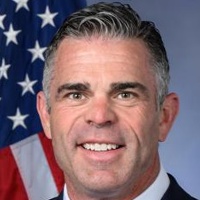
Tony Wied
Representative
WI
Tony Wied
Representative
WI
The BLOOD Centers Act establishes an expedited approval process through the FDA for licensed blood centers seeking to add new apheresis collection devices at existing locations. This fast-track system mandates a 30-day decision window for supplemental Biologics License Application (BLA) supplements, ensuring quicker deployment of new equipment. The goal is to streamline operations for established blood centers that meet high safety and quality standards.
This resolution condemns the October 7th Hamas attacks, demands the immediate and unconditional surrender of Hamas and the release of all hostages, and reaffirms support for Israel's right to self-defense while condemning global antisemitism.
Josh Gottheimer
Representative
NJ
Josh Gottheimer
Representative
NJ
This resolution strongly condemns the brutal October 7th attacks by Hamas, demanding the immediate and unconditional surrender of the terrorist group and the release of all hostages, including Americans. It reaffirms Israel's right to self-defense while urging international action against Hamas and condemning the global surge in antisemitism. The measure serves as a formal statement of U.S. policy and support following the attacks.
This resolution commends the Council of Europe for its vital efforts in seeking justice and accountability for the people of Ukraine against Russian aggression and international crimes.

Marcy Kaptur
Representative
OH
Marcy Kaptur
Representative
OH
This resolution formally commends the Council of Europe for its dedicated efforts to secure justice for the people of Ukraine following Russia's aggression and related international crimes. Congress specifically endorses the Council's work in documenting atrocities and supports the establishment of the Special Tribunal for the Crime of Aggression against Ukraine. The bill reaffirms the U.S. commitment to working with international partners to ensure accountability and support Ukraine's sovereignty and democracy.