Legislative Activity
Track Ron's sponsored bills, co-sponsored legislation, and voting record
This bill prohibits the use of federal funds to support Venezuela's oil and petroleum infrastructure and requires an annual report from the Secretary of State on compliance.

Jeff Merkley
Senator
OR
Jeff Merkley
Senator
OR
This bill, the Protecting Taxpayers from Risky Investments in Venezuela Act, prohibits the use of any federal funds to finance, support, or subsidize the development or maintenance of Venezuela's oil and petroleum infrastructure. It ensures taxpayer money is not used to back risky investments in the Venezuelan oil sector. Furthermore, the Secretary of State must submit an annual report to Congress detailing compliance with this prohibition.
This act exempts certain non-controlling blockchain software developers and service providers from being classified as money transmitters under federal law.
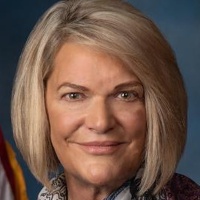
Cynthia Lummis
Senator
WY
Cynthia Lummis
Senator
WY
The Blockchain Regulatory Certainty Act of 2026 clarifies the regulatory status of certain software developers in the digital asset space. This bill specifically exempts non-controlling developers and service providers for distributed ledger technology from being classified as "money transmitters" under federal law. This exemption applies when their activities involve creating software or providing infrastructure support, rather than controlling user transactions. The Act ensures these foundational developers are not subject to money transmission registration requirements based solely on their technical contributions.
This bill excludes certain supplementary Social Security payments from being counted as income when determining SNAP eligibility and benefits.
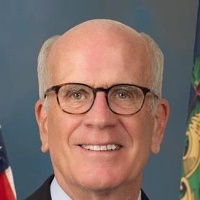
Peter Welch
Senator
VT
Peter Welch
Senator
VT
The COLAs Don’t Count Act of 2026 amends the Food and Nutrition Act of 2008 to exclude specific supplementary payments made under Section 1616(a) of the Social Security Act from being counted as income for SNAP eligibility and benefit calculations. This change aims to ensure these payments do not negatively impact a household's federal nutrition assistance. The Act is set to take effect on October 1, 2027.
This Act establishes a grant program to create, expand, and sustain a public health nursing workforce, prioritizing service to medically underserved and high-need populations.
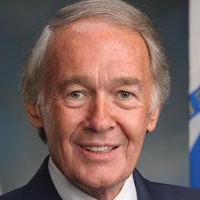
Edward Markey
Senator
MA
Edward Markey
Senator
MA
The Public Health Nursing Act establishes a new federal program to strengthen the public health nursing workforce. This initiative provides grants to state, local, and territorial health departments to recruit, hire, and train registered nurses for public health roles, especially in underserved areas. Funds will support direct nursing services, necessary supplies, and administrative costs, prioritizing areas with high rates of chronic disease and poor maternal/infant outcomes.
This bill establishes grant programs to fund the purchase of naloxone and training for first responders and schools to combat opioid overdoses.
Jeff Merkley
Senator
OR
Jeff Merkley
Senator
OR
The School Access to Naloxone Act of 2026 establishes grant programs to combat opioid overdose deaths by funding the purchase and administration of overdose reversal drugs in schools and for first responders. This bill specifically authorizes funding to help elementary and secondary schools maintain a supply of these drugs and ensure trained personnel are available during operating hours. It also requires state certification of civil liability protections for those administering emergency aid.
This bill establishes an expedited parole program for certain relatives of current and former U.S. military service members.

Tammy Duckworth
Senator
IL
Tammy Duckworth
Senator
IL
The PROTECT Military Families Act establishes a new parole program to allow certain close relatives of current and former U.S. service members to enter the United States. This parole is granted in one-year increments to spouses, widows/widowers, parents, or children of eligible military personnel. Denials of this parole are highly restricted and require joint written justification from the Secretaries of Homeland Security, Defense, and Veterans Affairs.
This bill prohibits the use of federal funds to compensate individuals prosecuted for involvement in the January 6th Capitol attack and prevents the refunding of their court-ordered restitution and fines.
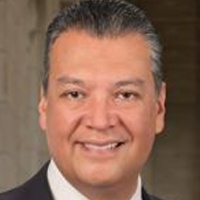
Alejandro Padilla
Senator
CA
Alejandro Padilla
Senator
CA
The "No Rewards for January 6 Rioters Act" prohibits the use of any federal funds to compensate individuals prosecuted for involvement in the January 6, 2021, attack on the U.S. Capitol. This includes blocking payments from the Judgment Fund or any victim compensation fund. Furthermore, the bill prevents the U.S. Treasury from refunding court-ordered restitution, fines, or special assessments paid by those convicted for their actions during the attack.
This joint resolution disapproves and nullifies the Department of Health and Human Services' recent rule regarding adherence to the text of the Administrative Procedure Act.
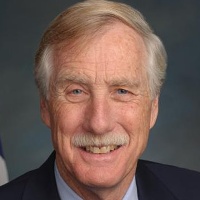
Angus King
Senator
ME
Angus King
Senator
ME
This joint resolution expresses Congress's disapproval of a recent rule issued by the Department of Health and Human Services (HHS) concerning adherence to the text of the Administrative Procedure Act (APA). By invoking the Congressional Review Act, this resolution immediately nullifies the proposed HHS policy. Consequently, the new rule regarding APA adherence will have no legal effect.
This bill reauthorizes and extends key funding and project authorities under the Secure Rural Schools Act through 2026, while also making technical corrections.

Michael Crapo
Senator
ID
Michael Crapo
Senator
ID
The Secure Rural Schools Reauthorization Act of 2025 extends critical funding programs for counties containing federal lands through fiscal year 2026. This legislation ensures the continuation of secure payments and resource advisory committee authorities established under the original 2000 Act. It also streamlines payment elections for fiscal years 2024 and 2025 by carrying over the previous year's choice. Finally, the bill includes technical corrections to improve the administration of these rural support programs.
The LISTOS Act of 2025 mandates that major online platforms ensure consistent content moderation across all languages, provide public transparency reports on staffing and algorithmic processes, and guarantee equitable access to safety tools for non-English-speaking users.
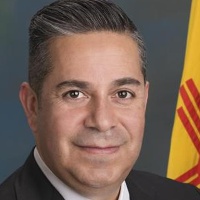
Ben Luján
Senator
NM
Ben Luján
Senator
NM
The **Language-Inclusive Support and Transparency for Online Services (LISTOS) Act of 2025** aims to ensure equitable safety and moderation standards across all languages on major online platforms. The bill requires covered platforms to maintain consistent enforcement of policies across different languages, provide transparent annual reports on their moderation staffing and automated processes, and ensure that reporting tools and policies are accessible in every language they support. Additionally, it establishes an FTC advisory group to develop best practices for language-sensitive technologies and grants the FTC and state attorneys general authority to enforce these requirements.
This resolution denounces the dangers of authoritarianism and affirms the essential democratic principles that protect the United States from its rise.
Jeff Merkley
Senator
OR
Jeff Merkley
Senator
OR
This resolution strongly denounces the horrors of authoritarianism, recognizing its historical tendency to dismantle democracy and cause significant societal harm. It affirms the foundational principles of the U.S. Constitution, such as the separation of powers, as essential safeguards against tyranny. The document concludes by opposing the implementation of authoritarian policies within the United States.
This bill mandates that the Supreme Court provide written explanations and disclose individual justice votes for all emergency orders granting, denying, or vacating preliminary injunctive relief or stays thereof.
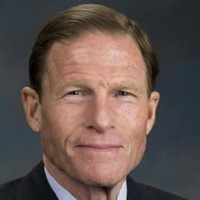
Richard Blumenthal
Senator
CT
Richard Blumenthal
Senator
CT
The Shadow Docket Sunlight Act of 2025 mandates that the Supreme Court provide written explanations and disclose the votes of participating justices for emergency orders concerning preliminary injunctive relief or stays thereof. These explanations must address key legal standards, such as the likelihood of success on the merits and irreparable harm. The bill also establishes a reporting requirement for the Federal Judicial Center to assess compliance with these new transparency measures.
The Lowering American Energy Costs Act of 2025 mandates restrictions on U.S. natural gas exports to stabilize domestic energy prices and reduce costs for American households and industries.
Edward Markey
Senator
MA
Edward Markey
Senator
MA
The Lowering American Energy Costs Act of 2025 seeks to reduce domestic energy prices by restricting the export of U.S.-produced natural gas. The bill mandates that the President implement a rule prohibiting such exports, with limited exemptions allowed only for national security or critical ally needs, subject to Congressional approval. This legislation aims to protect households and the industrial sector from the price volatility and increased costs associated with high volumes of liquefied natural gas (LNG) exports.
The Schedules That Work Act establishes rights for employees to request predictable work schedules and mandates advance notice, predictability pay, and rest periods for workers in covered sectors.
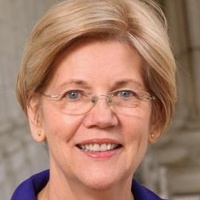
Elizabeth Warren
Senator
MA
Elizabeth Warren
Senator
MA
The Schedules That Work Act aims to provide employees, particularly those in retail, food service, and warehouse sectors, with greater stability and predictability in their work hours. It grants employees the right to request schedule changes for caregiving, education, or other needs, and requires employers to discuss these requests in good faith. Furthermore, the Act mandates advance notice of schedules, predictability pay for last-minute changes, and a minimum rest period between shifts.
This bill prohibits the use of federal funds to implement or enforce the Executive Order concerning a national policy framework for artificial intelligence regulation.
Edward Markey
Senator
MA
Edward Markey
Senator
MA
This Act, titled the "States' Right to Regulate AI Act," prohibits the use of federal funds to implement or enforce a specific Executive Order concerning a national policy framework for Artificial Intelligence. Essentially, it prevents the federal government from using its money to enforce that particular AI regulation order.
The GRACE Act mandates a minimum annual refugee admission ceiling of 125,000, establishes regional allocation requirements, and enforces rigorous quarterly reporting on refugee processing and admissions.
Edward Markey
Senator
MA
Edward Markey
Senator
MA
The Guaranteed Refugee Admission Ceiling Enhancement (GRACE) Act establishes a minimum annual refugee admission goal of 125,000 and mandates regional allocation plans based on global resettlement needs. The bill also introduces rigorous quarterly reporting requirements for the President regarding refugee processing, security vetting, and admission timelines. These measures aim to increase transparency and ensure accountability in meeting annual refugee resettlement targets.
This bill reauthorizes and amends grant programs for battlefield protection while mandating studies on significant French and Indian War and Mexican-American War sites.
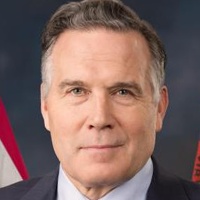
Dave McCormick
Senator
PA
Dave McCormick
Senator
PA
This bill reauthorizes and amends key grant programs under the American Battlefield Protection Program, extending funding through 2035 and increasing federal cost-sharing for interpretation and restoration projects. It also mandates the Secretary of the Interior to conduct comprehensive studies on nationally significant sites related to the French and Indian War and the Mexican-American War. The legislation aims to enhance the preservation and interpretation of these historic battlefields through updated grant structures and new site assessments.
This Act establishes new national security controls, treating the remote access of sensitive items by foreign persons of concern as an export subject to regulation.
Dave McCormick
Senator
PA
Dave McCormick
Senator
PA
The Remote Access Security Act amends existing law to give the President authority to restrict foreign persons of concern from remotely accessing sensitive U.S. technology via cloud services when it poses a national security risk. This new control treats the provision of remote access the same as traditional exports, applying existing licensing, penalty, and enforcement rules. The bill also mandates consultations with Congress and requires the Commerce Secretary to report on implementation, including minimizing compliance costs for U.S. businesses.
This act restores a \$200 tax on firearm transfers and manufacturing to provide \$1.7 billion in additional funding for the Medicare Part A trust fund.

Angela Alsobrooks
Senator
MD
Angela Alsobrooks
Senator
MD
The Medicare Investment and Gun Violence Prevention Act restores the federal tax on firearm transfers and manufacturing to \$200 per firearm. Additionally, it allocates \$1.7 billion in new funding to the Medicare Part A Hospital Insurance Trust Fund for fiscal year 2026.
This Act establishes employer liability for federal law enforcement agencies when their officers deprive individuals of their constitutional or legal rights.
Alejandro Padilla
Senator
CA
Alejandro Padilla
Senator
CA
This Act establishes the **Accountability for Federal Law Enforcement Act** to create direct employer liability for federal law enforcement agencies when their officers violate an individual's constitutional or legal rights. It allows civil actions against the United States for officer misconduct, regardless of whether an official policy caused the violation or if the officer has individual immunity. This measure waives sovereign immunity for claims against federal agencies under these circumstances.