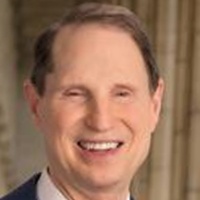
Legislative Activity
Track Ron's sponsored bills, co-sponsored legislation, and voting record
A resolution to support National Trafficking and Modern Slavery Prevention Month in January 2025, to raise awareness and strengthen efforts to combat human trafficking and modern slavery. It encourages collaborative, victim-centered approaches to prevention, support, and prosecution.
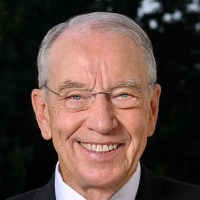
Charles Grassley
Senator
IA
Charles Grassley
Senator
IA
This resolution supports the observation of National Trafficking and Modern Slavery Prevention Month in January 2025 to raise awareness and opposition to these crimes. It recognizes the global scale of human trafficking, the vulnerability of specific populations, and the need for a coordinated effort to prevent trafficking, support victims, and prosecute offenders. The resolution encourages collaborative initiatives and a victim-centered approach to combat human trafficking and modern slavery.
Recognizes the historical and ongoing value of tax-exempt fraternal benefit societies in providing critical benefits and community support throughout the United States. Encourages the continued promotion of their work.

Michael Crapo
Senator
ID
Michael Crapo
Senator
ID
This concurrent resolution recognizes the significant historical and ongoing contributions of tax-exempt fraternal benefit societies to communities across the United States. It acknowledges their extensive volunteer network and substantial charitable giving, which helps to meet various needs and support financial security. The resolution affirms that their tax-exempt status continues to benefit the country and that their work should be encouraged.
Encourages the U.S. to meet the goals of the Paris Agreement through combined efforts from government, businesses, and citizens. It also urges support for policies and actions aimed at reducing global warming pollution.
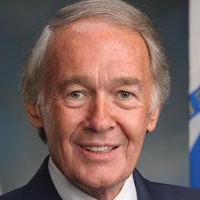
Edward Markey
Senator
MA
Edward Markey
Senator
MA
This resolution expresses the Senate's view that the U.S. should remain committed to the Paris Agreement, support policies at all levels of government to reduce global warming pollution, and encourage actions by businesses, investors, and individuals to combat climate change. It recognizes the economic benefits of clean energy investments and the need for collective efforts to achieve the goals of the Paris Agreement.
The Preventing Algorithmic Collusion Act of 2025 mandates transparency, reporting, and strict antitrust prohibitions for businesses using AI-driven pricing algorithms to ensure fair competition and prevent price fixing.

Amy Klobuchar
Senator
MN
Amy Klobuchar
Senator
MN
The Preventing Algorithmic Collusion Act of 2025 aims to curb anti-competitive behavior by prohibiting the use of pricing algorithms that rely on nonpublic competitor data. The bill mandates transparency by requiring businesses to disclose the use of such algorithms to customers and workers, while granting the FTC and the Attorney General authority to audit and penalize non-compliant entities. Additionally, it establishes a legal presumption of price-fixing when multiple parties use the same algorithm to set prices in the same market.
This legislation establishes a framework to reduce double taxation for U.S. and Taiwanese residents through reciprocal tax relief and authorizes the President to negotiate a formal tax agreement between the two jurisdictions.
Michael Crapo
Senator
ID
Michael Crapo
Senator
ID
The United States-Taiwan Expedited Double-Tax Relief Act aims to reduce double taxation for residents of Taiwan and the U.S. by lowering withholding rates on cross-border income and establishing clear tax residency rules. Additionally, the bill authorizes the President to negotiate a formal tax agreement with Taiwan, ensuring congressional oversight and public transparency throughout the process. This legislation seeks to boost bilateral trade and investment while ensuring reciprocal tax benefits for both nations.
This resolution designates January 23, 2025, as "Maternal Health Awareness Day" to raise awareness about maternal mortality, illness, and disparities, and to promote initiatives for equitable maternity care. It supports efforts to improve maternal health outcomes and honor those affected by pregnancy-related deaths.
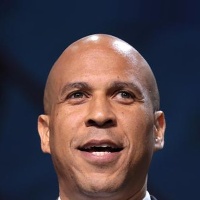
Cory Booker
Senator
NJ
Cory Booker
Senator
NJ
This resolution designates January 23, 2025, as "Maternal Health Awareness Day" to raise awareness about maternal mortality, illness, and disparities in the United States. It supports initiatives to eliminate disparities in maternal health and ensure equitable maternity care for all women. The resolution also honors those who have died from pregnancy-related causes and promotes investments in improving maternal health outcomes.
This bill prohibits the use of federal funds for a first-use nuclear strike unless Congress has explicitly authorized such an action through a declaration of war.
Edward Markey
Senator
MA
Edward Markey
Senator
MA
The Restricting First Use of Nuclear Weapons Act of 2025 prohibits the use of federal funds for a first-strike nuclear attack unless Congress has explicitly authorized it through a declaration of war. This legislation aims to establish constitutional checks and balances by ensuring that a nuclear strike cannot be initiated without congressional approval, except in response to an existing nuclear attack against the United States or its allies.
The CURD Act establishes a formal federal definition and standardized labeling requirements for "natural cheese" to ensure transparency and distinguish it from processed cheese products.

Ron Johnson
Senator
WI
Ron Johnson
Senator
WI
The Codifying Useful Regulatory Definitions (CURD) Act establishes a formal federal definition for "natural cheese" to ensure consumer transparency and consistency in labeling. By distinguishing natural cheese from processed varieties, the bill sets clear standards for production and prohibits states from imposing conflicting labeling requirements.
This bill amends the International Emergency Economic Powers Act to prohibit the President from unilaterally imposing or increasing tariffs on imported goods.
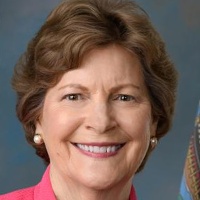
Jeanne Shaheen
Senator
NH
Jeanne Shaheen
Senator
NH
The Protecting Americans from Tax Hikes on Imported Goods Act of 2025 restricts the President’s authority to impose or increase tariffs and tariff-rate quotas under the International Emergency Economic Powers Act (IEEPA). While it preserves the President's power to block specific imports or countries, the bill prevents the use of IEEPA as a tool for unilateral tariff adjustments.
The Cleaner Air Spaces Act of 2025 establishes an EPA grant program to help communities protect vulnerable households from wildland fire smoke by funding clean air centers and distributing free, high-quality air filtration units.

Michael Bennet
Senator
CO
Michael Bennet
Senator
CO
The Cleaner Air Spaces Act of 2025 establishes an EPA grant program to help communities protect themselves from the health risks of wildland fire smoke. This initiative provides funding to state, local, and Tribal agencies to establish public clean air centers and distribute free, high-quality air filtration units to vulnerable, low-income households.
The Competition and Antitrust Law Enforcement Reform Act of 2025 strengthens federal antitrust enforcement by tightening merger standards, increasing penalties for anticompetitive conduct, and expanding the resources and investigative powers of the DOJ and FTC.
Amy Klobuchar
Senator
MN
Amy Klobuchar
Senator
MN
The Competition and Antitrust Law Enforcement Reform Act of 2025 aims to strengthen U.S. antitrust enforcement by making it easier for regulators to challenge anticompetitive mergers and exclusionary conduct. The bill enhances the legal tools and financial resources available to the Department of Justice and the Federal Trade Commission, while establishing new protections for whistleblowers and increasing penalties for antitrust violations. Ultimately, the legislation seeks to curb excessive market power, promote innovation, and protect consumers, workers, and small businesses from anticompetitive practices.
The FAIR Act mandates a 3.3% base pay increase and a 1% locality pay adjustment for federal civilian employees in 2026.
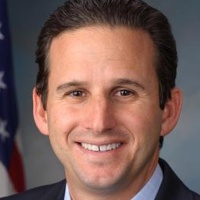
Brian Schatz
Senator
HI
Brian Schatz
Senator
HI
The FAIR Act proposes a 3.3% pay increase for federal civilian and wage-grade employees for the 2026 calendar year. Additionally, the bill mandates a 1% increase in locality pay adjustments for federal civilian employees.
This bill authorizes the awarding of a Congressional Gold Medal to wildland firefighters in recognition of their dedicated service, sacrifice, and commitment to protecting the nation's forests, grasslands, and communities.
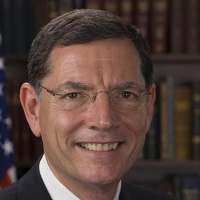
John Barrasso
Senator
WY
John Barrasso
Senator
WY
The Wildland Firefighters Congressional Gold Medal Act honors the courage, sacrifice, and essential service of the nation’s wildland firefighters. This legislation authorizes the presentation of a Congressional Gold Medal to be awarded collectively to these frontline responders in recognition of their dedication to protecting our communities and natural resources. The medal will be housed at the National Interagency Fire Center, with bronze duplicates made available for public purchase.
The Saving the Civil Service Act establishes strict limitations on moving federal positions out of the competitive service to protect merit-based hiring and prevent the politicization of the civil service.
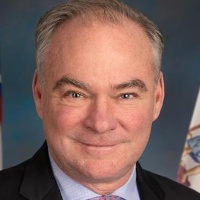
Timothy Kaine
Senator
VA
Timothy Kaine
Senator
VA
The Saving the Civil Service Act protects the merit-based federal hiring system by placing strict limits on the ability of agencies to move civil service positions into the excepted service. It requires employee consent for job transfers, caps the number of positions that can be reclassified during a presidential term, and mandates annual reporting to Congress. These measures ensure that federal employment remains grounded in professional standards rather than political appointments.
This bill extends the divestiture deadline for ByteDance to sell TikTok from 270 days to 540 days.
Edward Markey
Senator
MA
Edward Markey
Senator
MA
The Extend the TikTok Deadline Act proposes to double the divestiture period for TikTok’s parent company, ByteDance, from 270 days to 540 days. This legislation aims to provide additional time for the company to comply with the requirements set forth in the Protecting Americans from Foreign Adversary Controlled Applications Act.
The Health Care Affordability Act of 2025 expands eligibility for premium tax credits and adjusts contribution requirements to lower health insurance costs for more households.
Jeanne Shaheen
Senator
NH
Jeanne Shaheen
Senator
NH
The Health Care Affordability Act of 2025 expands access to premium tax credits by removing the current income eligibility cap, allowing more households to qualify for financial assistance. The bill also introduces a new sliding scale for premium contributions to ensure health insurance costs remain more manageable for families. These changes are set to take effect for taxable years beginning after December 31, 2025.
The Washington, D.C. Admission Act provides for the admission of the State of Washington, Douglass Commonwealth, while maintaining a smaller federal district as the seat of the U.S. government.

Chris Van Hollen
Senator
MD
Chris Van Hollen
Senator
MD
The Washington, D.C. Admission Act provides for the admission of the State of Washington, Douglass Commonwealth, while maintaining a smaller federal district to serve as the seat of the U.S. government. This legislation establishes the framework for the transition, including the transfer of property, the restructuring of local and federal authorities, and the granting of full congressional representation to the new state's residents. It also creates a transition commission to ensure the orderly shift of legal, financial, and administrative responsibilities.
The Sunshine Protection Act of 2025 proposes making daylight saving time the permanent, year-round standard time across the United States, effectively ending the practice of biannual clock changes.
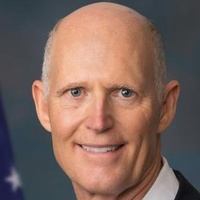
Rick Scott
Senator
FL
Rick Scott
Senator
FL
The Sunshine Protection Act of 2025 proposes making daylight saving time the permanent, year-round standard time across the United States. This change would eliminate the need to biannually "spring forward" and "fall back" by shifting all time zones forward by one hour. States currently exempt from daylight saving time would retain the option to remain on standard time.