The Lowering American Energy Costs Act of 2025 mandates restrictions on U.S. natural gas exports to stabilize domestic energy prices and reduce costs for American households and industries.
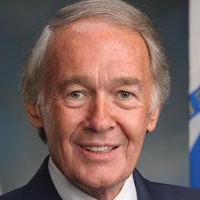
Edward "Ed" Markey
Senator
MA
The Lowering American Energy Costs Act of 2025 seeks to reduce domestic energy prices by restricting the export of U.S.-produced natural gas. The bill mandates that the President implement a rule prohibiting such exports, with limited exemptions allowed only for national security or critical ally needs, subject to Congressional approval. This legislation aims to protect households and the industrial sector from the price volatility and increased costs associated with high volumes of liquefied natural gas (LNG) exports.
New Energy Bill Targets Natural Gas Exports to Cut Household Utility Bills by 2026
The 'Lowering American Energy Costs Act of 2025' is a direct attempt to hit the brakes on the U.S. natural gas export boom to save you money on your monthly bills. The bill points to data showing that as we’ve become the world’s top exporter of liquefied natural gas (LNG), domestic prices have spiked—costing the average household about $124 more per year. To fix this, the legislation mandates that the President issue a new rule effectively banning the export of U.S.-produced natural gas, with the specific goal of keeping our local energy supply high and your heating and electricity costs low.
The Price of Going Global
For years, the U.S. has been shipping record amounts of natural gas overseas, hitting a massive milestone of 10 million metric tons in a single month in late 2025. While that’s been great for energy companies, the bill cites a Department of Energy study warning that unconstrained exports could hike wholesale gas prices by 31 percent by 2050. If you’re a small business owner running a commercial kitchen or a homeowner trying to keep the AC on in July, this bill is designed to keep those costs from spiraling. It also highlights that natural gas is the biggest driver of electricity prices, meaning that when gas gets expensive, your light bill follows suit (Section 2).
The 'National Interest' Escape Hatch
This isn't a total, permanent shutdown of the export industry, but it does put the President in the driver’s seat with some heavy oversight. Under Section 3, the President can only grant exemptions to the export ban if they can prove the move won't 'unreasonably raise costs' for regular people or if it’s vital for national security. However, there’s a significant catch: the President can’t just sign a waiver and call it a day. Any exemption must be approved by a joint resolution of Congress. This adds a layer of transparency, but it could also lead to political gridlock when our international allies—who might be relying on U.S. gas to keep their own grids running—come knocking for help.
Local Impact and Environmental Stakes
Beyond the checkbook, the bill looks at who lives next door to the infrastructure. It notes that pipelines and export terminals are often built in communities already dealing with high levels of pollution. By slowing down the export machine, the bill aims to reduce the need for new, massive infrastructure projects that impact local health and contribute to methane emissions. For families in these 'fenceline' communities, this could mean fewer new industrial sites in their backyards. On the flip side, workers in the LNG export sector or companies that have invested billions in these facilities could see a major shift in their job security and bottom lines if the global tap is suddenly turned off.