This bill prohibits the use of federal funds to implement or enforce the Executive Order concerning a national policy framework for artificial intelligence regulation.
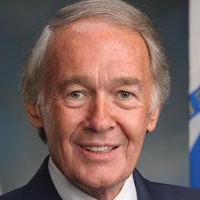
Edward "Ed" Markey
Senator
MA
This Act, titled the "States' Right to Regulate AI Act," prohibits the use of federal funds to implement or enforce a specific Executive Order concerning a national policy framework for Artificial Intelligence. Essentially, it prevents the federal government from using its money to enforce that particular AI regulation order.
New Bill Blocks Federal Funds for National AI Policy, Pushing Regulation Back to States
If you’ve been keeping up with the conversation around AI—the kind of stuff that affects your job, your data security, or even the quality of your kid’s education—you know that national policy is critical. That’s why the States’ Right to Regulate AI Act is a significant move. This bill, which is short and laser-focused, prohibits the use of any federal funds to implement, administer, or enforce the Executive Order on “Ensuring a National Policy Framework for Artificial Intelligence” that was issued back on December 11, 2025 (SEC. 2).
The Federal Policy Blackout
Think of a national policy framework as the rulebook the federal government was trying to write for AI—setting standards for safety, consumer protection, or even just making sure the technology is deployed ethically across the country. This bill doesn’t repeal that Executive Order, but it does the next best thing: it starves it of money. By banning federal funds, the bill essentially grounds the entire national AI policy effort before it can even take off. For federal agencies tasked with figuring out how to manage AI risks, this means their hands are tied, and any work they were doing to create unified standards is now on ice.
The Fragmentation Factor
The title, States’ Right to Regulate AI Act, tells you exactly where this is headed: pushing regulatory power back to the state level. While proponents might argue this is great for local control, for anyone who works across state lines—like a trucking company using autonomous vehicle tech, a software developer, or a national retailer—this creates a potential nightmare scenario. Instead of one consistent rulebook, you could end up with 50 different sets of AI regulations, or worse, none at all if states don’t step up quickly. This fragmentation could slow down innovation and make compliance incredibly complex and expensive for businesses, which ultimately impacts consumer costs.
What This Means for Everyday Life
Why should you care about a defunded Executive Order? Because national AI policy is supposed to address things like bias in algorithms that determine loan applications, hiring practices, or even medical diagnoses. If the federal effort to set minimum safety and fairness standards is blocked, those protections either don't materialize or become a patchwork of state laws. If you live in a state that doesn't prioritize AI regulation, you could be left exposed to riskier or less transparent AI systems compared to someone in a state with robust rules. This bill doesn't introduce new rules; it simply pulls the rug out from under the attempt to create unified national safeguards, leaving a significant gap in oversight for a technology that is quickly integrating into every corner of our lives.