This Act establishes a grant program to create, expand, and sustain a public health nursing workforce, prioritizing service to medically underserved and high-need populations.
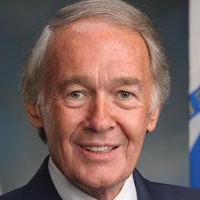
Edward "Ed" Markey
Senator
MA
The Public Health Nursing Act establishes a new federal program to strengthen the public health nursing workforce. This initiative provides grants to state, local, and territorial health departments to recruit, hire, and train registered nurses for public health roles, especially in underserved areas. Funds will support direct nursing services, necessary supplies, and administrative costs, prioritizing areas with high rates of chronic disease and poor maternal/infant outcomes.
New Bill Boosts Public Health Nurses with $5 Billion Annual Funding for a Decade
Alright, let's talk about the Public Health Nursing Act. This bill is looking to seriously beef up our public health nursing workforce, which is pretty critical for keeping communities healthy. Essentially, it sets up a new program under the Public Health Service Act, allowing the Secretary of Health and Human Services to hand out grants to state, local, and even territorial public health departments. Think of it as a direct investment into the folks on the front lines of community health.
Filling the Gaps in Care
So, what can these health departments do with the money? A lot, actually. The primary goal is to recruit, hire, and train licensed registered nurses to work as public health nurses. And here’s the kicker: they're specifically targeting medically underserved areas. This means if you live in a place where it’s tough to get a doctor’s appointment or quality healthcare, this bill aims to bring more nurses right to your neighborhood. These nurses will be working in clinics, mobile units, hospitals, or even doing home visits. Plus, the grants cover necessary medical supplies, including personal protective equipment (PPE), and even some administrative costs to keep things running smoothly. They can even pass some of that money down to local health departments, spreading the love further.
Prioritizing the Most Vulnerable
Now, not everyone gets a grant automatically. The bill sets some clear priorities for who gets funding first. Health departments that propose to serve areas with high rates of chronic diseases, infant mortality, or maternal mortality are at the top of the list. Also, if you’re in a low-income area, a health professional shortage area, or a rural community, your health department gets a leg up. They’re also looking for departments that have a solid plan for providing services in the right language and cultural context for their communities, which is a huge deal for making sure care actually lands with people. And, for those concerned about workers' rights, the bill also gives a nod to departments with collective bargaining agreements or policies that protect employees' rights under the National Labor Relations Act.
What Does This Mean for You?
If this bill passes, it’s a big win for public health infrastructure. For example, if you're a new parent in a rural area struggling to access prenatal or postnatal care, a public health nurse could be providing essential home visits, offering education on nutrition, or helping manage chronic conditions that impact your family's health. For someone managing diabetes in a low-income community, more public health nurses could mean better access to education on managing their condition and preventing complications, potentially through a local clinic or even a mobile health unit that comes to their neighborhood. The bill defines a public health nurse as someone who provides healthcare services and education on preventive health, nutrition, infectious diseases, chronic disease management, and maternal/prenatal/postpartum care to improve maternal and infant health outcomes. This isn't just about treating illness; it's about preventing it and building healthier communities from the ground up.
The Long-Term Investment
To make sure this program has real teeth, the bill authorizes a whopping $5,000,000,000 to be appropriated each fiscal year from 2026 through 2035. That's a serious, long-term investment in public health. There's also a “maintenance of effort” requirement, meaning health departments can’t just cut their own funding for these activities once they get federal money; they have to keep spending at least what they did the year before. This ensures the federal funds are truly adding to their efforts, not just replacing existing budgets. This looks like a solid plan to strengthen our public health system, especially for those communities that need it most.