Legislative Activity
Track Eugene's sponsored bills, co-sponsored legislation, and voting record
This bill establishes the "Protecting Americas Herds Act" to create a competitive grant program supporting cooperative extension services in preparing for and responding to New World screwworm outbreaks.
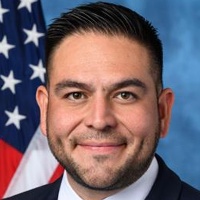
Gabriel (Gabe) Vasquez
Representative
NM
Gabriel (Gabe) Vasquez
Representative
NM
The "Protecting Americas Herds Act" establishes a competitive grant program administered by the Secretary of Agriculture. This program is designed to help cooperative extension services prepare for and respond to New World screwworm outbreaks. Funds will support training, livestock inspections, producer education, and technical assistance to prevent and manage infestations. Priority will be given to areas facing a heightened risk of introduction or spread.
This bill directs the President to withdraw U.S. Armed Forces from hostilities with Iran unless necessary for imminent self-defense or defense of an ally, while mandating compliance with War Powers Resolution reporting requirements.
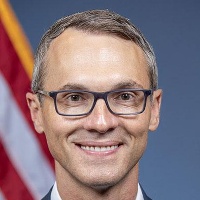
James Walkinshaw
Representative
VA
James Walkinshaw
Representative
VA
This bill directs the President to withdraw U.S. Armed Forces from hostilities involving Iran, unless those forces are necessary for imminent self-defense or the defense of an ally. If the exception is used, the President must adhere to the reporting requirements of the War Powers Resolution. This directive ceases if Congress formally declares war or passes a specific authorization for military action against Iran.
This act repeals the federal tax credit for contributions to scholarship organizations and eliminates the income exclusion for certain scholarship amounts received from those organizations.
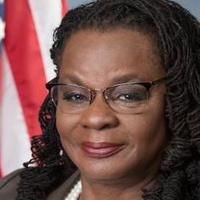
Gwen Moore
Representative
WI
Gwen Moore
Representative
WI
The Keep Public Funds in Public Schools Act of 2026 aims to redirect funding by eliminating federal tax incentives for private school scholarships. Specifically, it repeals the tax credit for contributions to scholarship-granting organizations and removes the income exclusion for certain scholarship amounts received. These changes are set to take effect starting in 2027.
The Local Communities & Bird Habitat Stewardship Act of 2026 establishes a voluntary program and grant initiative to support community-led efforts in conserving, restoring, and protecting bird habitats within urban areas.

Debbie Dingell
Representative
MI
Debbie Dingell
Representative
MI
The Local Communities Bird Habitat Stewardship Act of 2026 establishes a voluntary Urban Bird Treaty Program to protect and restore bird habitats within urban areas. Through partnerships and a competitive grant program, the initiative supports local organizations in reducing urban hazards, conducting scientific monitoring, and engaging communities in conservation efforts.
This bill strengthens U.S. access to critical minerals by authorizing international partnerships, establishing energy security compacts, and creating specialized State Department roles and workforce development programs to counter reliance on adversaries.
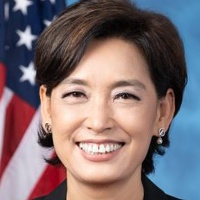
Young Kim
Representative
CA
Young Kim
Representative
CA
This bill strengthens U.S. access to critical minerals by authorizing international partnerships and agreements to build secure, transparent supply chains with allies. It establishes Energy Security Compacts to diversify energy and mineral sources while protecting American jobs and the environment. Finally, the legislation creates new leadership roles and exchange programs at the State Department to build a skilled domestic mining workforce and counter foreign leverage over essential resources.
This Act mandates sanctions against Iranian individuals and organizations found to be issuing or amplifying religious decrees that incite violence against U.S. and Israeli leaders.
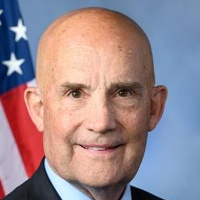
Keith Self
Representative
TX
Keith Self
Representative
TX
The Tehran Incitement to Violence Act targets Iranian clerics and organizations that have issued religious decrees (fatwas) calling for violence against U.S. and Israeli leaders. This bill mandates that the President determine which specific individuals and entities are involved in issuing or amplifying these threats for the imposition of mandatory sanctions. Sanctions include blocking property and rendering those individuals inadmissible to the United States.
The PEACE Act directs the State Department to take diplomatic action to address the growing threat of antisemitism in Europe and requires regular briefings to Congress on these efforts.
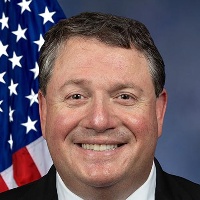
Randall Fine
Representative
FL
Randall Fine
Representative
FL
The PEACE Act directs the State Department to take diplomatic action to address the growing threat of antisemitism and related extremism in Europe. It requires senior State Department officials to regularly brief Congress on these efforts to promote transatlantic cooperation against these threats.
This bill establishes a temporary Diplomatic Reserve Corps Pilot Program to create a surge workforce of retired Foreign Service members to support U.S. diplomatic operations during crises.
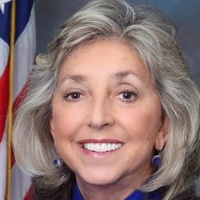
Dina Titus
Representative
NV
Dina Titus
Representative
NV
This act establishes the Diplomatic Reserve Corps Pilot Program within the State Department to create a surge workforce for supporting U.S. diplomatic operations during crises. The program will recruit retired Foreign Service members to provide temporary assistance during emergencies like conflicts or disasters. After three years, the Secretary of State will submit a final evaluation recommending whether to establish a permanent corps.
This bill bans former Members and elected officers of Congress from lobbying Congress after leaving office and expands the definition of "lobbyist" to cover former members engaged in behind-the-scenes influence activities.
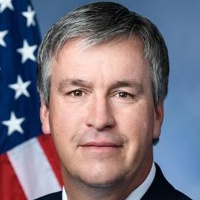
Barry Moore
Representative
AL
Barry Moore
Representative
AL
The Banning Lobbying And Safeguarding Trust Act (BLAST Act) prohibits former Members and elected officers of Congress from lobbying Congress after leaving office. It expands the definition of "lobbyist" to cover former Members engaged in behind-the-scenes strategic work for compensation. This legislation aims to prevent former officials from immediately leveraging their connections for influence.
The SAFEGUARD Veterans Act of 2026 reinstates and expands penalties for unauthorized fee charging by unaccredited representatives while improving transparency and resources for veterans seeking legitimate representation for VA benefits.
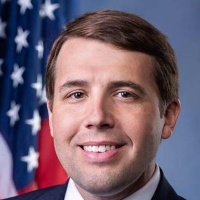
Chris Pappas
Representative
NH
Chris Pappas
Representative
NH
The **SAFEGUARD Veterans Act of 2026** strengthens protections for veterans by reinstating and expanding penalties against unaccredited representatives who charge unauthorized fees for VA benefit claims assistance. The bill mandates increased transparency by requiring the VA to maintain searchable lists of accredited representatives and improve public warnings about predatory practices on all VA websites. Furthermore, it requires new data collection on paid assistance and establishes a high-availability accreditation system for recognized agents and attorneys.
This act amends federal law to require labeling of foods containing gluten-containing grains as a major food allergen.
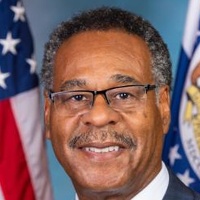
Emanuel Cleaver
Representative
MO
Emanuel Cleaver
Representative
MO
The Celiac Safety Act of 2026 amends federal law to officially classify gluten-containing grains (wheat, rye, and barley) as a major food allergen. This change mandates that foods containing these grains must be clearly labeled as such, similar to existing major allergens like peanuts or milk. This new labeling requirement will take effect 18 months after the Act's enactment.
This act prioritizes the use of American-made mass timber and innovative wood products in federal buildings while requiring a lifecycle assessment to measure their climate impact.
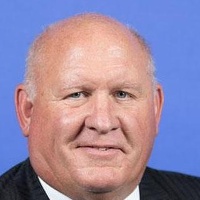
Glenn Thompson
Representative
PA
Glenn Thompson
Representative
PA
This act establishes a preference for using American-made mass timber and innovative wood products in federal public building projects. It mandates that these materials must be sourced from U.S. facilities and responsibly managed forests. Furthermore, the bill requires a lifecycle assessment to measure the climate impact of these new wood-based federal buildings.
This act prohibits the construction of triumphal arches in Lady Bird Johnson Park and restricts arches over 50 feet tall on other National Park Service land in the capital region to protect the viewshed of Arlington National Cemetery.
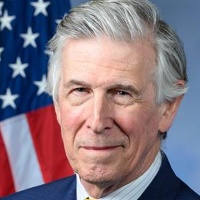
Donald Beyer
Representative
VA
Donald Beyer
Representative
VA
This act, the Arlington National Cemetery Viewshed Protection Act, prohibits the construction of any new triumphal arches in Lady Bird Johnson Park. It also restricts the building of any triumphal arch over 50 feet tall on other National Park Service land within the capital region unless explicitly authorized by Congress. The legislation aims to protect the visual landscape surrounding Arlington National Cemetery.
This act establishes the Medal of Sacrifice to honor law enforcement officers and first responders killed in the line of duty, creating a Commission to oversee its design and eligibility determinations.
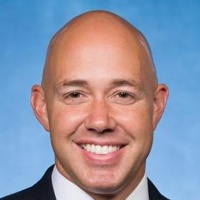
Brian Mast
Representative
FL
Brian Mast
Representative
FL
The Medal of Sacrifice Act establishes a new national medal to honor law enforcement officers and first responders killed in the line of duty. This legislation creates a Commission to advise on the medal's design, presentation, and final eligibility decisions, particularly when there are findings of wrongdoing. The medal itself will feature specific symbolic elements and will be awarded to eligible fallen heroes.
This bill establishes a program to provide automatic, federally-funded discounts on motor fuel purchased by eligible military patrons at exchange stores, offsetting federal excise taxes.
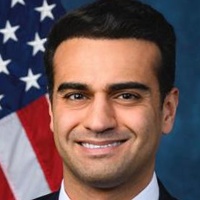
Abraham Hamadeh
Representative
AZ
Abraham Hamadeh
Representative
AZ
The Military and Veterans Fuel Discount Act of 2026 establishes a program allowing military exchange stores to offer discounted motor fuel to eligible patrons. This discount will automatically cover at least the federal excise tax rate, with potential supplemental discounts for state or local taxes. The Secretary of Defense must implement safeguards against fraud and report annually on the program's operation until its expiration in 2029.
The American High-Speed Rail Act significantly expands federal support for high-speed rail development by increasing funding, broadening eligibility, updating safety and technology requirements, and facilitating property acquisition and freight right-of-way transfers.
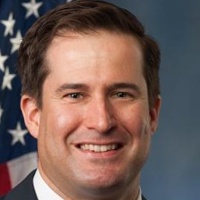
Seth Moulton
Representative
MA
Seth Moulton
Representative
MA
The American High-Speed Rail Act significantly expands federal support for high-speed and higher-speed rail development by increasing funding limits, broadening eligibility for public-private partnerships, and establishing new planning and safety requirements. The bill authorizes substantial funding through 2031 for corridor development and planning, while also creating pathways for acquiring necessary right-of-way property and ensuring labor protections on federally-funded infrastructure. It also refines definitions, setting the threshold for true "high-speed rail" at 186 mph or more, and introduces a new category for "higher-speed rail."
This bill establishes the Smithsonian American Women's History Museum, designates its site on the National Mall, and sets requirements for its mission, construction, and diverse representation of viewpoints.
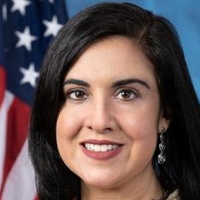
Nicole Malliotakis
Representative
NY
Nicole Malliotakis
Representative
NY
This act officially establishes the Smithsonian American Women’s History Museum and designates its location on the National Mall, requiring the transfer of land jurisdiction to the Smithsonian Institution. The museum is mandated to preserve and present the history and achievements of biological women in the United States. Furthermore, the legislation requires that exhibits and programs reflect diverse political viewpoints and authentic experiences of women, as guided by a broad array of knowledgeable sources.
This act establishes a pilot grant program through the EPA to fund infrastructure projects that specifically improve recycling access in underserved communities.
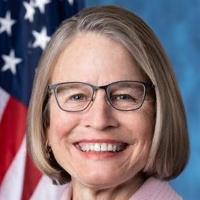
Mariannette Miller-Meeks
Representative
IA
Mariannette Miller-Meeks
Representative
IA
The Recycling Infrastructure and Accessibility Act of 2025 establishes a new EPA pilot grant program to improve recycling access, focusing specifically on underserved communities. These competitive grants will fund infrastructure projects, such as building transfer stations or expanding curbside service, using a "hub-and-spoke" model. Priority is given to projects located far from existing materials recovery facilities, with grants ranging from $\$500,000$ to $\$15$ million.
This bill expands Medicare Part B coverage to reimburse for specific pharmacist services related to testing and treatment for certain public health threats, effective January 1, 2026.
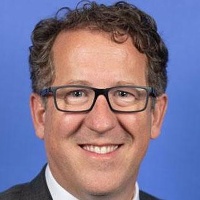
Adrian Smith
Representative
NE
Adrian Smith
Representative
NE
The Ensuring Community Access to Pharmacist Services Act expands Medicare Part B coverage to include services provided by pharmacists starting January 1, 2026. This coverage is specifically for testing or treatment related to COVID-19, the flu, RSV, strep throat, or during a declared public health emergency. The bill outlines payment structures, generally covering 80% of the cost, and prohibits pharmacists from balance billing Medicare patients for these covered services.
This Act amends the Foreign Service Act to extend post-employment benefits and streamline reappointment opportunities for Foreign Service members who separate from service, not just those who retire.
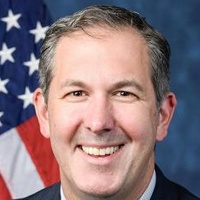
Johnny Olszewski
Representative
MD
Johnny Olszewski
Representative
MD
The Foreign Service Workforce Retention Act amends the Foreign Service Act of 1980 to extend reappointment opportunities and certain post-employment benefits to Foreign Service members who separate from service, not just those who retire. This legislation streamlines the process for former career members to return to service within five years of separation. Additionally, the bill mandates annual reporting to Congress on all recalls and reappointments made under these provisions.