This bill ensures specific 9/11 victims who settled judgments receive full and future payments from the United States Victims of State Sponsored Terrorism Fund by exempting them from certain payment restrictions.
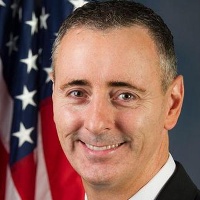
Brian Fitzpatrick
Representative
PA-1
This Act, the Fairness for 9/11 Families Technical Fix Act, makes specific adjustments to payment rules within the United States Victims of State Sponsored Terrorism Fund. It ensures that "Havlish Settling Judgment Creditors"—certain 9/11 victims involved in a specific court settlement—receive previously withheld funds. Furthermore, it guarantees their eligibility for future payments from the Fund, treating them equally with other claimants.
9/11 Victims Fund Fix Mandates Immediate Release of Withheld Payments for Specific Families
This bill, the Fairness for 9/11 Families Technical Fix Act, is exactly what it sounds like: a highly specific legal adjustment designed to clean up a payment snag for a subset of 9/11 victims. It amends the rules governing the U.S. Victims of State Sponsored Terrorism Fund to make sure certain families get the compensation they were promised.
The Fix for the ‘Havlish’ Families
The core of the bill is creating a special exception for a group defined as “Havlish Settling Judgment Creditors.” If you’re not a lawyer, that name probably means nothing, but it refers to plaintiffs, estates, or successors in interest tied to a specific 2014 court order (In re 650 Fifth Avenue and Related Properties). Essentially, these are 9/11 victims who were part of a specific legal settlement against state sponsors of terrorism.
For this defined group, the bill does three critical things. First, it waives a specific procedural rule that might have otherwise disqualified them from receiving payments from the Fund due to past decisions they made about participation or conditional payments (SEC. 2). Think of it as hitting the reset button on their eligibility, regardless of previous paperwork or choices. Second, and most importantly, it mandates that all funds previously allocated to these creditors but withheld must be immediately released and paid out (SEC. 2). This means that money that was tied up in bureaucratic or legal limbo must now flow directly to the victims and their families.
Clearing the Path for Future Payments
Beyond releasing the old funds, the bill ensures that these Havlish Settling Judgment Creditors remain fully eligible for all future rounds of payments from the Fund, treating them the same as all other claimants (SEC. 2). This is a technical move to prevent a past procedural choice—like applying for a conditional payment—from penalizing them down the line. In the real world, this means these families don't have to worry that a technicality will cut them out of future financial relief intended for all victims.
Why the Retroactive Date Matters
One detail that jumps out is that these changes are effective retroactively to December 29, 2022 (SEC. 2). This isn't just about fixing the present; it’s about making sure the fix covers the period where the procedural issue likely caused the payment delays. For the families involved, this retroactivity provides certainty and helps solidify their entitlement to funds that may have been in dispute for well over a year.
In short, this isn't a bill that creates a new program or changes eligibility for most people. It’s a targeted legislative scalpel designed to correct a specific, real-world payment problem for a highly defined group of 9/11 victims who were caught between a legal settlement and the rules of the federal victims fund. It ensures that the money allocated to them is actually released, and that their past legal maneuvering doesn't inadvertently cost them future compensation.