The ADOPT Act of 2025 establishes federal crimes for unlawful adoption practices, such as using unlicensed intermediaries or making unauthorized payments, to protect families and prevent child commodification in private interstate adoptions.
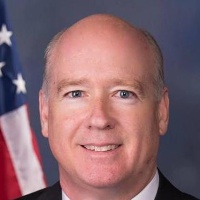
Robert Aderholt
Representative
AL-4
The ADOPT Act of 2025 aims to protect families and prevent the commodification of children in private domestic interstate adoptions. It establishes new federal crimes for unlicensed intermediaries who illegally solicit placements or make unauthorized payments to placing parents. The legislation ensures access to licensed and regulated adoption providers by creating clear exceptions for authorized professionals and agencies.
ADOPT Act Federalizes Adoption: Unlicensed Intermediaries Face Up to 5 Years in Prison
The ADOPT Act of 2025 (Adoption Deserves Oversight, Protection, and Transparency Act) is a major federal push to clean up the private adoption market, specifically targeting the gray areas of interstate adoptions. The goal is straightforward: stop the exploitation of birth parents and adoptive families, and prevent the commodification of children. This bill doesn't just regulate—it criminalizes, creating new federal felonies that carry serious penalties.
The New Rules of the Road: Who Can Play?
If you’re looking to adopt, or considering placing a child for adoption across state lines, this bill significantly narrows the field of people who can legally help you. The ADOPT Act makes it a federal crime to knowingly provide “adoption intermediary services” for compensation. Essentially, this targets independent facilitators who are not licensed agencies or attorneys. The exceptions are very specific: only public child-placing agencies, private licensed child-placing agencies, attorneys licensed in the state where they operate, and certain tax-exempt organizations contracted with public agencies get a pass. If you’re a facilitator who doesn't fall into one of those buckets, helping link families could now land you a fine of up to $50,000 and five years in prison, per violation (Sec. 3).
Shutting Down the Adoption Marketplace
This bill also takes aim at how adoptions are advertised. It makes it a federal crime to place an “adoption advertisement” that solicits prospective parents or placing parents to act as a link for an adoption. Think of those ads you see online or in print that say, 'We can connect you with a birth mother.' Again, the exceptions are limited to licensed agencies and attorneys advertising in their licensed state. The intent here is to prevent the adoption process from feeling like a transaction in a public marketplace, ensuring that only regulated professionals are managing the initial outreach (Sec. 3).
Capping Financial Assistance for Placing Parents
One of the most complex and often criticized aspects of private adoption is the financial assistance provided to birth parents (or “placing parents,” as the bill calls them). The ADOPT Act puts a hard federal limit on this. It is now a crime to knowingly provide anything of value over $2,500 to a placing parent before that parent consults with a licensed private agency or attorney in their state. This is a huge deal. It’s designed to prevent unlicensed intermediaries from offering large, early payments to secure a placement without the parent first receiving independent, licensed counsel. While the bill aims to protect the placing parent from undue financial influence, it also means that families hoping to provide immediate, substantial support outside of a licensed agency framework are now facing a federal offense (Sec. 3).
The Interstate Commerce Hammer
How does the federal government get involved in something usually handled by state courts? Interstate commerce. The prohibitions in this bill apply if the defendant, parent, or adoptive parent traveled across state lines, or if any instrument of interstate commerce was used—which, in the digital age, means almost everything. Sending an email, making a payment with a credit card, or even having an ad appear on an out-of-state website is enough to trigger federal jurisdiction. This broad reach ensures that most private adoptions involving parties in different states will fall under this new federal scrutiny (Sec. 3).
The Real-World Trade-Off
The ADOPT Act offers clear benefits: it shields families from potentially predatory or fraudulent actors and forces the process into regulated channels. For a family who has been burned by an unlicensed facilitator, this oversight is welcome protection. However, the cost is access. Independent facilitators often fill gaps, especially in states with limited licensed agency infrastructure, or for families who prefer a less bureaucratic process. By criminalizing these roles, the bill effectively limits options. If you’re an adoptive family, you’ll now rely almost exclusively on licensed agencies or attorneys, which could increase costs and wait times, especially if you live in a rural area (Sec. 3). This bill is a massive step toward consumer protection in adoption, but it achieves it by introducing serious criminal penalties and significantly restricting who can operate in the market.