This resolution recognizes the Ukrainian famine of 1932-1933, the Holodomor, as a genocide engineered by the Soviet Union and condemns current Russian aggression against Ukraine.
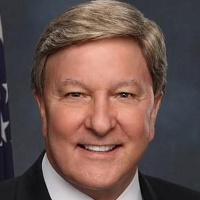
Mike Rogers
Representative
AL-3
This resolution expresses the sense of the House of Representatives recognizing the Ukrainian famine of 1932-1933, known as the Holodomor, as a genocide perpetrated by the Soviet Union. It condemns the systematic starvation and repression of the Ukrainian people under Soviet rule. Furthermore, the resolution remembers the victims and encourages the dissemination of information about this historical tragedy.
House Resolution Formally Recognizes 1930s Ukrainian Famine as Genocide, Condemns Current Russian Aggression
This resolution is all about historical recognition and current foreign policy, putting the House of Representatives on the record regarding the 1932–1933 Ukrainian famine, known as the Holodomor. Simply put, the resolution formally recognizes this tragedy—in which millions of Ukrainians died—as a genocide orchestrated by the former Soviet Union.
The Historical Record: Why Recognition Matters
For those of us who didn’t major in history, the Holodomor was a famine engineered by Soviet dictator Joseph Stalin. The resolution explicitly finds that the Soviet regime sealed borders, blocked international aid, and confiscated grain harvests after forcing Ukrainians onto collective farms. The goal, according to the findings, was to break Ukrainian resistance to Communist control. This isn't just an abstract historical point; the resolution cites a 1988 U.S. Commission report that previously concluded the Soviet Government committed genocide against the Ukrainian people during this period. By formally recognizing the Holodomor as a genocide, the House is validating decades of advocacy by the Ukrainian community and aligning the U.S. with other nations that have already done so.
Connecting Past Atrocities to Present Conflict
The resolution doesn't stop in the 1930s; it draws a direct line to current events. It condemns the systematic human rights violations by the Soviet Union, including the starvation and persecution of the Ukrainian people. Crucially, the measure then pivots to the present day, condemning "Vladimir Putin’s brutal and unprovoked war in Ukraine and his repeated public rejections of the existence of a Ukrainian people and a sovereign Ukraine." This move ties the historical crime of the Holodomor to the current conflict, framing Russia's actions today as part of a long pattern of aggression against Ukrainian identity.
What This Means for Everyday People
While this is a non-binding resolution—meaning it doesn't create new laws, spend money, or change regulations—it has significant symbolic and diplomatic weight. For Ukrainian Americans and those advocating for human rights, this recognition is a major victory for historical truth and remembrance. It serves as an official statement of sympathy to the victims, survivors, and their families. Furthermore, the resolution encourages the "dissemination of information about the Holodomor to increase understanding of this Soviet-engineered genocide." This means we could see more official efforts to educate the public, ensuring that these historical facts, which were denied by the Kremlin for over half a century, are understood by a new generation. Ultimately, this resolution is the House using its voice to condemn historical atrocities, support current peace efforts in Ukraine, and deter future aggression.