Legislative Activity
Track Eugene's sponsored bills, co-sponsored legislation, and voting record
This bill mandates the creation of a comprehensive National Strategy and detailed Implementation Plan to coordinate federal efforts, reduce bureaucracy, and close the digital divide by ensuring universal access to fast and affordable broadband internet.
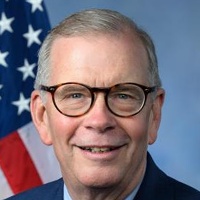
Tim Walberg
Representative
MI
Tim Walberg
Representative
MI
The PLAN for Broadband Act mandates the creation of a comprehensive National Strategy to effectively coordinate federal broadband programs and streamline deployment efforts across the country. This strategy must detail roles, goals, and methods for cutting red tape for state, local, and Tribal governments seeking to expand internet access. Following the strategy, a detailed Implementation Plan will establish concrete timelines, accountability measures, and public check-ins to ensure progress in closing the digital divide. The Government Accountability Office will also study the effectiveness of these plans to ensure taxpayer funds are used efficiently.
The Bolstering Research And Innovation Now (BRAIN) Act aims to accelerate brain tumor research, improve patient access to clinical trials and specialized care, and enhance long-term survivor support through new funding, transparency requirements, and public awareness campaigns.
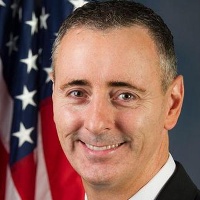
Brian Fitzpatrick
Representative
PA
Brian Fitzpatrick
Representative
PA
The Bolstering Research And Innovation Now (BRAIN) Act aims to significantly advance the fight against brain tumors by increasing research funding and improving patient access to care. This legislation establishes new networks for glioblastoma research, creates a public database for tracking biospecimens, and launches a national awareness campaign about clinical trials. Furthermore, the Act funds pilot programs to improve long-term care for survivors and directs the FDA to ensure brain tumor patients are not unfairly excluded from relevant clinical trials.
The End Driving While Intoxicated Act of 2025 establishes a national standard requiring states to mandate ignition interlock devices for DWI offenders or face federal highway funding penalties.
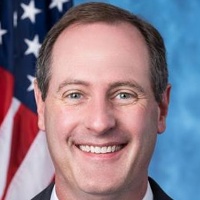
Tracey Mann
Representative
KS
Tracey Mann
Representative
KS
The End Driving While Intoxicated Act of 2025 aims to combat rising drunk driving fatalities by establishing a national standard for ignition interlock devices (IIDs). This bill mandates that states require DWI offenders to use IIDs for a minimum of 180 days or face penalties involving the withholding of federal highway funds. The legislation seeks to leverage the proven effectiveness of IIDs in reducing repeat offenses across the country.
The Law Enforcement Support and Counter Transnational Repression Act mandates a public awareness campaign and technological development to combat transnational repression, safeguarding First Amendment rights and providing resources for victims.
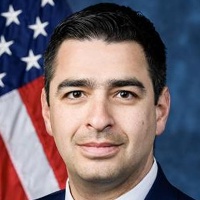
Gabe Evans
Representative
CO
Gabe Evans
Representative
CO
The Law Enforcement Support and Counter Transnational Repression Act directs the Department of Homeland Security to create a public service announcement campaign educating the public and international allies about transnational repression and related terrorism threats, including resources for victims. It also requires research and development of technologies to support law enforcement in countering transnational repression while protecting constitutional rights. "Transnational repression" is defined as actions by a foreign government or its agents to coerce, harass, threaten, or retaliate against a person or their family in the U.S. or against a U.S. person.
The National Biotechnology Initiative Act of 2025 establishes a coordinated federal effort, led by a new Coordination Office, to advance U.S. national security, economic productivity, and competitiveness through biotechnology research, development, and commercialization.
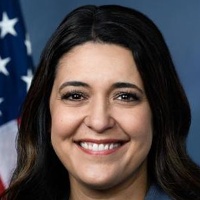
Stephanie Bice
Representative
OK
Stephanie Bice
Representative
OK
The National Biotechnology Initiative Act of 2025 establishes a comprehensive, whole-of-government effort to advance U.S. leadership in biotechnology for national security and economic competitiveness. This Act creates the National Biotechnology Initiative, overseen by a new National Biotechnology Coordination Office within the Executive Office of the President. Participating federal agencies are mandated to coordinate strategies across research, data management, biomanufacturing, regulatory streamlining, and workforce development. The law also establishes mechanisms for interagency coordination, public reporting, and the development of a national biotechnology strategy.
The Raise the Wage Act of 2025 gradually increases the federal minimum wage to \$17.00, phases out subminimum wages for tipped employees and workers with disabilities, and eliminates the subminimum wage for young workers.
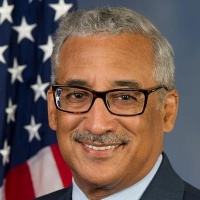
Robert Scott
Representative
VA
Robert Scott
Representative
VA
The Raise the Wage Act of 2025 establishes a phased increase of the federal minimum wage, culminating in a \$17.00 per hour rate five years after enactment, followed by automatic annual adjustments tied to median wage growth. This bill also phases out the lower minimum wage for tipped employees and workers under 20, ensuring they eventually earn the standard federal minimum wage. Furthermore, it sets a schedule to eliminate subminimum wages for individuals with disabilities and prohibits the issuance of new special certificates allowing for lower pay.
This bill establishes financial incentives for deploying grid-enhancing technologies and mandates improved reporting on transmission congestion costs.
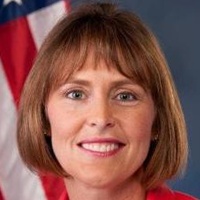
Kathy Castor
Representative
FL
Kathy Castor
Representative
FL
The Advancing GETs Act of 2025 aims to modernize the electric grid by incentivizing the adoption of Grid-Enhancing Technologies (GETs) through a shared savings program managed by FERC. The bill also mandates annual reporting on transmission congestion costs to improve transparency and requires the Department of Energy to create a public application guide and clearinghouse for GETs deployment. Ultimately, this legislation seeks to increase grid capacity, reliability, and efficiency using existing infrastructure.
This Act establishes federal minimum standards for public employee collective bargaining rights, allowing states to maintain their own laws if they meet or exceed these standards, otherwise the Federal Labor Relations Authority will enforce federal rules.
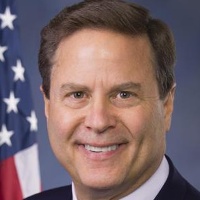
Donald Norcross
Representative
NJ
Donald Norcross
Representative
NJ
The Public Service Freedom to Negotiate Act of 2025 establishes federal minimum standards for collective bargaining rights for public employees across the nation. It requires the Federal Labor Relations Authority (FLRA) to review state laws to ensure they substantially provide these minimum rights, including the right to organize and bargain collectively. If a state fails to meet these standards, the FLRA will administer federal labor relations rules for the uncovered employees. The Act also prohibits strikes or lockouts that would measurably disrupt emergency or public safety services.
This Act strengthens federal enforcement against child exploitation by updating kidnapping definitions, restricting defenses for crimes against minors, creating new offenses for touching minors, and making technical amendments to sexual abuse and civil rights statutes.
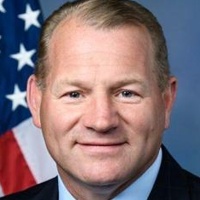
Troy Nehls
Representative
TX
Troy Nehls
Representative
TX
The Strengthening Child Exploitation Enforcement Act updates federal laws concerning kidnapping and sexual abuse of minors. It clarifies kidnapping definitions, bars consent as a defense for offenses against victims under 16 unless reasonable belief of age is proven, and creates a new federal offense for non-consensual touching of minors for sexual gratification. The bill also makes technical amendments to sentencing guidelines and cross-references related to abusive sexual contact.
The Affordable Housing Credit Improvement Act of 2025 updates state allocation formulas, reforms tenant eligibility and credit determination rules, and enhances assistance for Native American and rural housing projects.
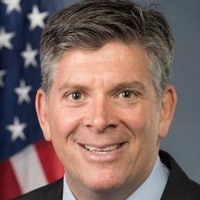
Darin LaHood
Representative
IL
Darin LaHood
Representative
IL
The Affordable Housing Credit Improvement Act of 2025 updates federal housing tax credit allocations to reflect current economic realities and boosts minimum state allotments. It reforms tenant eligibility rules to stabilize tenancy and enhance protections for vulnerable residents, including victims of abuse. The bill also provides disaster relief for property owners, increases incentives for housing the extremely low-income, and directs greater resources toward Native American and rural housing needs. Finally, it streamlines administrative processes and signals a future focus on data transparency and discouraging restrictive local zoning.
This Act mandates the high-resolution surveying and mapping of the Great Lakes lakebeds by NOAA, with data to be made publicly available by the end of 2030.

Lisa McClain
Representative
MI
Lisa McClain
Representative
MI
The Great Lakes Mapping Act of 2025 mandates a high-resolution survey and mapping of the Great Lakes lakebeds, to be completed by December 31, 2030. Led by NOAA, this effort requires collaboration with state and regional partners to collect and catalog detailed bathymetric data. The resulting high-resolution map and associated data must be made publicly available as it is completed and fully released within 180 days of project completion.
The No Tax Breaks for Union Busting Act denies businesses tax deductions for expenses incurred while influencing employees regarding union organization and activities.
Donald Norcross
Representative
NJ
Donald Norcross
Representative
NJ
The No Tax Breaks for Union Busting (NTBUB) Act aims to disallow businesses from deducting federal income taxes for expenses incurred while attempting to influence employees regarding union organization or activities. This change is intended to stop companies from subsidizing anti-union campaigns through tax write-offs. The bill also establishes new, significant reporting requirements and penalties for businesses and third-party consultants who engage in these influence expenditures.
This act authorizes $20 million annually through fiscal year 2030 for the NINDS to supplement research specifically focused on unruptured brain aneurysms across diverse populations.
Brian Fitzpatrick
Representative
PA
Brian Fitzpatrick
Representative
PA
The Ellie Helton, Lisa Colagrossi, Kristen Shafer Englert, Teresa Anne Lawrence, and Jennifer Sedney Focused Research Act, or "Ellies Law," addresses the high incidence and devastating impact of brain aneurysms in the U.S. The bill authorizes $20 million annually from Fiscal Year 2026 through 2030 for the National Institute of Neurological Disorders and Stroke (NINDS). This dedicated funding is specifically intended to supplement existing research efforts focused on unruptured intracranial aneurysms across diverse populations.
This bill amends the Higher Education Act to expand the authorized uses of funds for Historically Black Colleges and Universities to strengthen their arts, arts education, and cultural programs.
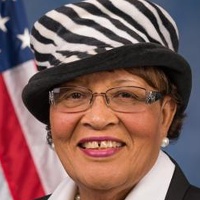
Alma Adams
Representative
NC
Alma Adams
Representative
NC
This bill amends the Higher Education Act to provide additional funding opportunities for Historically Black Colleges and Universities (HBCUs) specifically focused on the arts. It recognizes the crucial role HBCUs play in preserving and promoting Black art and culture. The legislation authorizes HBCUs to use grant funds for student support, outreach, exhibitions, and partnerships with the National Endowment for the Arts to strengthen their arts programs.
The End Kidney Deaths Act establishes a \$50,000 federal tax credit over five years for individuals who make non-directed living kidney donations between 2027 and 2036.
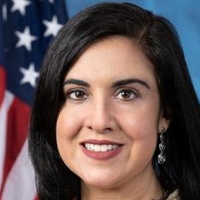
Nicole Malliotakis
Representative
NY
Nicole Malliotakis
Representative
NY
The End Kidney Deaths Act establishes a new federal tax credit for individuals who make non-directed living kidney donations. Eligible donors will receive an annual \$10,000 tax credit for five consecutive years, totaling a potential \$50,000 benefit. This provision is designed to incentivize altruistic donation while ensuring the credit is not considered payment for the organ.
This bill streamlines security vetting for international STEM graduate students and creates a new pathway to lawful permanent residency for those holding advanced U.S. STEM degrees with qualifying job offers.
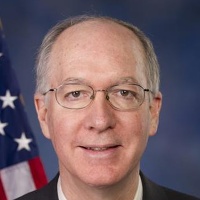
Bill Foster
Representative
IL
Bill Foster
Representative
IL
The Keep STEM Talent Act of 2025 aims to strengthen security vetting for international graduate students in STEM fields while creating a new pathway to permanent residency for those who earn advanced STEM degrees in the U.S. The bill mandates pre-admission applications and enhanced background checks for incoming STEM graduate students. Furthermore, it establishes a streamlined green card category for advanced STEM degree holders with qualifying job offers, allowing them to pursue permanent residency without jeopardizing their current student status.
This bill allows Members of Congress to use Department of Veterans Affairs facilities to meet with constituents under specific, regulated conditions.
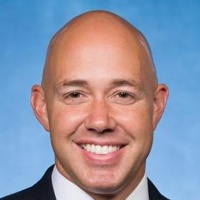
Brian Mast
Representative
FL
Brian Mast
Representative
FL
The Improving Veterans Access to Congressional Services Act of 2025 allows Members of Congress to use designated Department of Veterans Affairs (VA) facilities to meet with their constituents. The VA Secretary must establish regulations within 90 days outlining fair access, reasonable costs, and strict ethical limitations on political activity within these spaces. These rules specifically prohibit campaigning and recording patients while ensuring the Member's use does not interfere with VA operations.
This bill establishes a non-governmental Water Risk and Resilience Organization (WRRO) under EPA oversight to develop and enforce mandatory cybersecurity risk and resilience requirements for large public water systems.
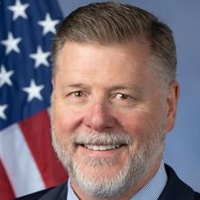
Eric Crawford
Representative
AR
Eric Crawford
Representative
AR
This bill establishes the Water Risk and Resilience Organization (WRRO) under the EPA to develop and enforce mandatory cybersecurity and resilience requirements for large public water systems. The WRRO will be a single, certified entity responsible for proposing security rules, which the EPA Administrator must approve. The organization will also monitor compliance through annual self-attestations and periodic assessments, with the authority to levy fines for violations.
The Stephen Hacala Poppy Seed Safety Act establishes federal limits for dangerous alkaloid contaminants on poppy seeds, treating seeds exceeding those limits as adulterated food products.
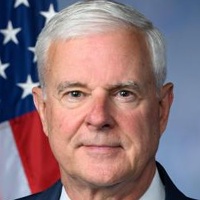
Steve Womack
Representative
AR
Steve Womack
Representative
AR
The Stephen Hacala Poppy Seed Safety Act addresses the danger of poppy seeds contaminated with high levels of opiates like morphine, which have led to accidental overdoses and deaths. This legislation directs the Secretary of Health and Human Services to establish mandatory safety limits for these contaminants in poppy seeds sold commercially. Seeds exceeding these limits will be deemed adulterated and banned from interstate commerce. Furthermore, the Act clarifies that contaminated poppy seeds are not exempt from regulation under the Controlled Substances Act.
This act mandates the FAA to create and annually update a public list of medications deemed safe for pilots and air traffic controllers to use while maintaining their medical certification.
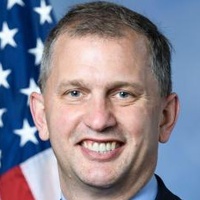
Sean Casten
Representative
IL
Sean Casten
Representative
IL
The Aviation Medication Transparency Act of 2025 mandates the Federal Aviation Administration (FAA) to create and maintain a public list of medications deemed safe for pilots and air traffic controllers to use while maintaining their medical certification. This list must be developed in consultation with relevant industry and labor groups. The FAA is required to update this comprehensive list annually, ensuring airmen and their doctors have clear guidance on medication approval status and necessary waiting periods.