Legislative Activity
Track Eugene's sponsored bills, co-sponsored legislation, and voting record
This resolution supports designating July 21, 2025, as Guam Liberation Day to honor the island's liberation from Japanese occupation and commemorate the sacrifices of both CHamoru civilians and U.S. servicemembers.
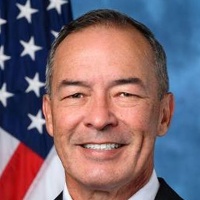
James (Jim) Moylan
Representative
GU
James (Jim) Moylan
Representative
GU
This resolution formally supports designating July 21, 2025, as "Guam Liberation Day" to honor the island's history. It recognizes the suffering of the CHamoru people under Japanese occupation and commemorates the sacrifices of U.S. servicemembers during the 1944 liberation campaign. The bill encourages the President to issue a proclamation observing this important anniversary across the nation.
This Act requires group health plans to ensure that patient cost-sharing for medically necessary oral cancer drugs is comparable to that for intravenously administered cancer drugs.
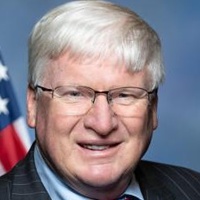
Glenn Grothman
Representative
WI
Glenn Grothman
Representative
WI
The Cancer Drug Parity Act of 2025 mandates that group health plans treat the cost-sharing for oral (take-at-home) anticancer drugs the same as they treat cost-sharing for intravenously administered cancer drugs. This ensures patients do not face higher out-of-pocket expenses for necessary oral chemotherapy medications. The Act also requires the GAO to study the financial impact of this new parity requirement on patients.
This bill mandates that rural-area small businesses be explicitly included alongside women-owned small businesses in advisory roles concerning capital access under the Securities Exchange Act of 1934.
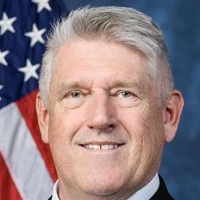
Troy Downing
Representative
MT
Troy Downing
Representative
MT
The Expanding Access to Capital for Rural Job Creators Act mandates that regulatory bodies explicitly include rural-area small businesses when considering advisory roles and consultations related to capital access. This amendment ensures that the unique needs of rural businesses are recognized alongside other specific small business categories, like women-owned businesses. The goal is to improve capital access for job creators in rural America.
This Act directs the Secretary of HHS to issue guidance on Medicaid/CHIP coverage for postpartum pelvic health services and establishes a national education campaign on the topic.
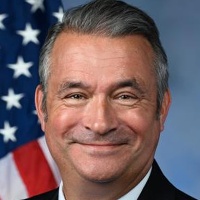
Don Bacon
Representative
NE
Don Bacon
Representative
NE
The Optimizing Postpartum Outcomes Act of 2025 aims to improve women's health after childbirth by clarifying Medicaid/CHIP coverage for essential pelvic health services. It mandates federal guidance for states on covering services like pelvic floor exams and physical therapy, alongside establishing a national education campaign for both providers and new mothers. The bill also directs the GAO to study existing coverage gaps for postpartum women under Medicaid.
The Fire Weather Development Act of 2025 establishes new federal programs, committees, and testbeds to significantly enhance wildfire forecasting, detection, interagency coordination, and firefighter communications.
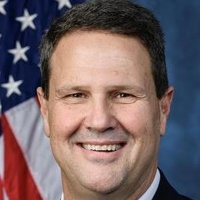
Jeff Crank
Representative
CO
Jeff Crank
Representative
CO
The Fire Weather Development Act of 2025 aims to significantly enhance wildfire preparedness and response by improving fire weather forecasting, detection, and information sharing through NOAA. The bill establishes new interagency and advisory committees to coordinate federal efforts and gather expert input on crucial needs. It also creates a dedicated fire weather testbed, addresses the incident meteorologist workforce, and mandates research into better communication systems for first responders.
This resolution expresses support for World Sickle Cell Awareness Day to increase public awareness and advocate for enhanced research, early detection, accessible treatments, and preventative care for sickle cell disease.
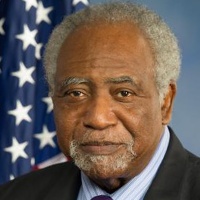
Danny Davis
Representative
IL
Danny Davis
Representative
IL
This resolution expresses strong support for designating June 19, 2025, as "World Sickle Cell Awareness Day" to elevate public understanding of Sickle Cell Disease (SCD). It calls for increased empirical research, early detection screenings, and equitable access to novel treatments and potential cures for those affected globally. Furthermore, the bill urges federal agencies to coordinate efforts to address systemic barriers and biases in SCD care.
This Act establishes mandatory federal response time standards, including a 30-minute initial evaluation goal, for wildfires occurring on federal lands.
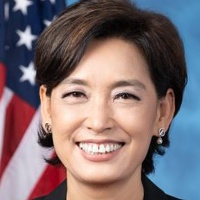
Young Kim
Representative
CA
Young Kim
Representative
CA
The Wildfire Response and Preparedness Act of 2025 mandates federal agencies to establish strict new response time standards for wildfires on federal lands. This includes setting goals for initial incident evaluation within 30 minutes and deploying suppression crews within 3 hours. The responsible Secretaries must report annually to Congress on unified budgeting, resource needs, and necessary system changes to meet these aggressive readiness targets.
The Treatment Continuity Act of 2025 expands federal support for substance use disorder treatment to equally prioritize serious mental illness treatment, focusing on long-acting injectable medications and updated reporting requirements.
Neal Dunn
Representative
FL
Neal Dunn
Representative
FL
The Treatment Continuity Act of 2025 expands federal support for treatment by explicitly including serious mental illness alongside substance use disorders under key grant programs. This legislation prioritizes funding for services utilizing long-acting injectable medications and requires updated annual reporting to Congress on treatment outcomes. These changes aim to ensure continuous, evidence-based care for individuals with these significant health needs.
This bill reauthorizes and restructures the Bureau of Land Management Foundation, renaming it the Foundation for America's Public Lands, adjusting its board composition, and setting spending restrictions and funding levels.
Blake Moore
Representative
UT
Blake Moore
Representative
UT
This bill officially renames the Bureau of Land Management Foundation to the Foundation for America’s Public Lands and modifies its governing structure. It increases the size of the Board of Directors over four years while mandating specific expertise from various public land users and resource managers. Furthermore, the Act places strict prohibitions on the Foundation using funds for lobbying or litigation and authorizes $10 million annually for five fiscal years.
This Act mandates a study by the FAA to assess the readiness of major U.S. airports to safely and efficiently handle future supersonic and hypersonic aircraft.
Tim Moore
Representative
NC
Tim Moore
Representative
NC
The National Airport Supersonic Readiness Act of 2025 mandates the FAA to conduct a comprehensive study assessing whether major U.S. airports are prepared for the arrival of next-generation supersonic and hypersonic aircraft. This assessment will evaluate runway capacity, ground support infrastructure, air traffic control, and environmental regulations. The resulting report will provide Congress with necessary recommendations and cost estimates for future infrastructure upgrades to support high-speed air travel.
The Nuclear REFUEL Act amends the definition of a "production facility" under the Atomic Energy Act to exempt spent nuclear fuel reprocessing that does not separate plutonium from other transuranic elements.
Robert Latta
Representative
OH
Robert Latta
Representative
OH
The Nuclear REFUEL Act amends the Atomic Energy Act to clarify regulations surrounding nuclear fuel processing. Specifically, it excludes the reprocessing of spent nuclear fuel from the definition of a "production facility" if the process does not separate plutonium from other transuranic elements. This change aims to streamline regulatory oversight for certain fuel recycling activities.
The FIGHT Act of 2025 strengthens federal prohibitions against animal fighting, enhances enforcement mechanisms, and allows citizens to sue violators of animal fighting provisions.
Don Bacon
Representative
NE
Don Bacon
Representative
NE
The FIGHT Act of 2025 significantly strengthens federal prohibitions against animal fighting ventures, specifically targeting the sponsorship, exhibition, and gambling associated with these events. This legislation clarifies the definition of a rooster for legal purposes and bans the interstate transport of roosters for fighting. Furthermore, it empowers private citizens to file lawsuits against violators, allowing for civil penalties and the potential seizure of property used to facilitate illegal animal fighting.
This act permits the placement of a U.S. flag securely next to the grave of any service member or veteran, overriding existing flag code restrictions.
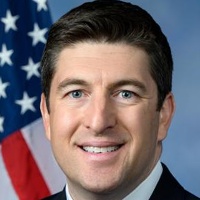
Bryan Steil
Representative
WI
Bryan Steil
Representative
WI
The American Flags to Honor Our Veterans Act of 2025 specifically authorizes the placement of the U.S. flag directly next to the gravesite of any individual who served in the Armed Forces or is a veteran. This provision ensures that flags can be displayed securely and upright next to individual graves, regardless of other existing flag display regulations.
This act ensures that time spent receiving outpatient observation services in a hospital counts toward the required 3-day inpatient stay for Medicare coverage of skilled nursing facility services.
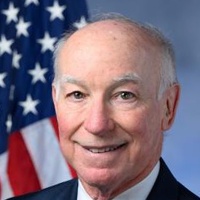
Joe Courtney
Representative
CT
Joe Courtney
Representative
CT
The Improving Access to Medicare Coverage Act of 2025 ensures that time spent receiving outpatient observation services in a hospital counts toward the required 3-day inpatient stay needed to qualify for Medicare coverage of skilled nursing facility (SNF) services. This change effectively removes a significant barrier to accessing post-hospital care for many Medicare beneficiaries. The Secretary of HHS is authorized to implement this rule immediately.
The STOP CSAM Act of 2025 strengthens protections for child victims in federal court, mandates technology companies to report suspected child sexual exploitation, and expands civil remedies for victims against perpetrators and online platforms.
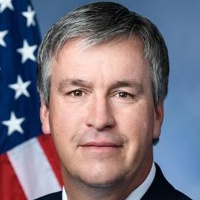
Barry Moore
Representative
AL
Barry Moore
Representative
AL
The STOP CSAM Act of 2025 significantly strengthens protections for child victims and witnesses in federal court by expanding definitions of harm and restricting the public disclosure of their identities. It mandates new, strict reporting duties for tech providers regarding child sexual exploitation material, backed by substantial criminal and civil penalties for non-compliance. Furthermore, the Act creates broad new civil remedies allowing victims to sue responsible online platforms and app stores for damages related to exploitation that occurred during their childhood. Finally, it improves restitution procedures, particularly for vulnerable victims, while ensuring existing state and tribal protections remain intact.
This Act establishes a project to significantly improve the forecasting of coastal marine fog through enhanced data collection, better modeling, and clearer public advisories to increase safety and reduce economic losses.
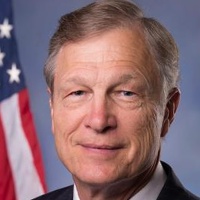
Brian Babin
Representative
TX
Brian Babin
Representative
TX
The Fog Observations and Geographic Forecasting Act establishes a new project to significantly improve the prediction of coastal marine fog. This initiative focuses on gathering enhanced real-time ocean data and developing more accurate forecasting models. The ultimate goal is to increase safety for marine operations and reduce economic losses caused by unexpected fog events.
This act reauthorizes and updates mandatory funding levels for federal programs aimed at preventing, surveilling, and rapidly responding to foreign animal diseases in the United States through 2031.
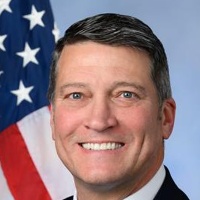
Ronny Jackson
Representative
TX
Ronny Jackson
Representative
TX
The Foreign Animal Disease Prevention, Surveillance, and Rapid Response Act of 2025 reauthorizes and significantly increases mandatory funding levels for critical animal disease prevention and management programs through 2031. This legislation ensures sustained financial support for national animal health laboratories, surveillance efforts, and preparedness initiatives. The bill updates funding allocations to enhance the nation's ability to rapidly respond to potential foreign animal disease outbreaks.
This act revises budget baseline calculations by excluding funds designated as emergency requirements or provided through supplemental appropriations.
Glenn Grothman
Representative
WI
Glenn Grothman
Representative
WI
The Stop the Baseline Bloat Act of 2025 aims to reform how federal budget baselines are calculated under existing deficit control laws. Specifically, this bill mandates that funding designated as "emergency requirements" or provided through supplemental appropriations must be excluded when determining the baseline spending level. This change seeks to prevent temporary, non-recurring spending from artificially inflating future budget caps.
This Act mandates the creation of an AI Security Playbook by the NSA Director to defend cutting-edge artificial intelligence technologies from theft by sophisticated threat actors.
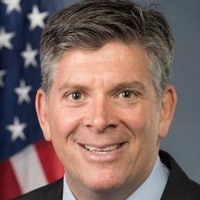
Darin LaHood
Representative
IL
Darin LaHood
Representative
IL
The Advanced AI Security Readiness Act mandates the creation of an "AI Security Playbook" to defend cutting-edge artificial intelligence from theft by sophisticated actors. Developed by the NSA Director through the AI Security Center, this playbook will detail vulnerabilities, identify critical components of advanced AI, and outline strategies for defense and response. The goal is to establish robust security measures for technologies deemed high-risk to national security.
This Act mandates that most private firearm transfers must go through a licensed dealer to ensure background checks are performed on all purchasers.
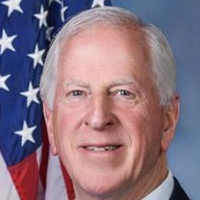
Mike Thompson
Representative
CA
Mike Thompson
Representative
CA
The Bipartisan Background Checks Act of 2025 aims to strengthen existing federal background check systems to prevent prohibited persons from acquiring firearms. This bill primarily mandates that most private firearm transfers must be facilitated through a licensed dealer who will conduct a background check. The legislation includes specific exceptions for family gifts, law enforcement, and temporary transfers under emergency circumstances.