Legislative Activity
Track Eugene's sponsored bills, co-sponsored legislation, and voting record
The Flow Act of 2025 modifies tax-exempt bond rules to allow public water systems to finance the replacement of privately-owned lead service lines without counting the activity as impermissible private business use.
Claudia Tenney
Representative
NY
Claudia Tenney
Representative
NY
The Financing Lead Out of Water Act of 2025 (Flow Act) modifies tax-exempt bond rules to encourage the replacement of privately-owned lead water pipes. This legislation clarifies that using these bonds for qualified lead service line replacement does not count as prohibited private business use. This change allows public water systems to finance necessary lead pipe removal to meet federal drinking water standards.
This Act increases compensation for Chapter 7 trustees, adjusts bankruptcy fee allocations to fund the U.S. Trustee system, and extends the terms of certain temporary bankruptcy judge offices.

Ben Cline
Representative
VA
Ben Cline
Representative
VA
The Bankruptcy Administration Improvement Act of 2025 addresses the funding and administration of the federal bankruptcy system. This bill primarily increases the compensation for Chapter 7 trustees to address decades of stagnant pay while adjusting various bankruptcy fees to ensure the U.S. Trustee System remains self-funded. Additionally, it extends the term limits for certain temporary bankruptcy judge offices.
This bill establishes minimum and emergency staffing requirements for the Low-Income Home Energy Assistance Program (LIHEAP) and limits the use of contractors.
Josh Gottheimer
Representative
NJ
Josh Gottheimer
Representative
NJ
The LIHEAP Staffing Support Act establishes minimum staffing requirements for the Low-Income Home Energy Assistance Program (LIHEAP) to ensure effective program administration. It mandates a baseline of at least 20 dedicated employees, with limits on contractor usage during normal operations. Furthermore, the bill requires an emergency staffing boost to at least 30 employees within 45 days of declaring an energy crisis.
The Knock Out Cancer Act aims to increase funding for the National Cancer Institute's research and mandates a report on mitigating cancer drug shortages.
Brian Fitzpatrick
Representative
PA
Brian Fitzpatrick
Representative
PA
The Knock Out Cancer Act aims to aggressively combat cancer by significantly increasing funding for the National Cancer Institute's research efforts through 2030. The bill also mandates a comprehensive report from the Department of Health and Human Services to address and recommend solutions for ongoing cancer drug shortages. Ultimately, this legislation seeks to accelerate breakthroughs, improve survival rates through better detection awareness, and reduce cancer-related deaths.
This act allows Rural Health Clinics to bill Medicare for personalized prevention plan services delivered by registered nurses during annual wellness visits.
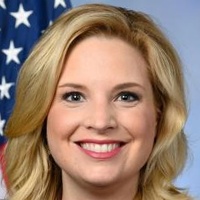
Ashley Hinson
Representative
IA
Ashley Hinson
Representative
IA
The RNs for Rural Health Act of 2025 aims to improve preventative care access in rural areas by updating Medicare payment rules for Rural Health Clinics (RHCs). This legislation allows RHCs to bill Medicare for "personalized prevention plan services" delivered by a licensed Registered Nurse (RN). This ensures RN-led preventative care is adequately covered and reimbursed under the Medicare program.
The Runaway and Homeless Youth and Trafficking Prevention Act of 2025 updates federal programs to enhance support, prevention, and data collection for runaway, homeless, and trafficked youth through updated grant requirements and service mandates.
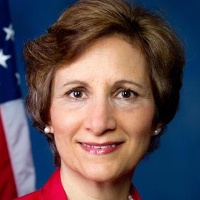
Suzanne Bonamici
Representative
OR
Suzanne Bonamici
Representative
OR
The Runaway and Homeless Youth and Trafficking Prevention Act of 2025 updates federal programs to better support and protect runaway, homeless, and trafficked youth. This legislation modernizes grant programs to ensure services are trauma-informed, culturally sensitive, and address critical needs like housing, education, and mental health. It also expands communication channels to include online outreach and strengthens coordination across federal agencies to combat youth homelessness and exploitation.
This bill mandates a Department of Veterans Affairs study on using RNA sequencing to diagnose Post-Traumatic Stress Disorder (PTSD) in veterans.
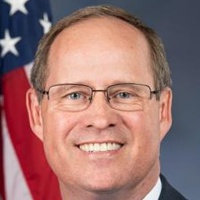
Gregory Murphy
Representative
NC
Gregory Murphy
Representative
NC
The Veterans PTSD Screening Act mandates the Department of Veterans Affairs (VA) to conduct a study on using RNA sequencing as a diagnostic tool for Post-Traumatic Stress Disorder (PTSD) in veterans. This research will investigate if genetic testing can accurately identify biological markers related to PTSD. The VA must complete the study by September 2027 and report its findings to Congress by September 2028.
The Community TEAMS Act of 2025 establishes grants for medical schools to partner with rural and underserved health facilities to expand community-based clinical training for medical students.
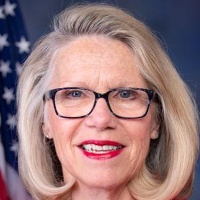
Carol Miller
Representative
WV
Carol Miller
Representative
WV
The Community TEAMS Act of 2025 establishes new federal grants to fund partnerships between medical schools and local health facilities in rural and medically underserved communities. These grants aim to expand clinical training opportunities for medical students in high-need areas. The ultimate goal is to encourage these students to establish long-term medical practices within those communities after graduation.
This bill mandates a Department of Defense study, in coordination with the FAA, on the feasibility and cost of equipping all military fixed-wing and rotary-wing aircraft with air-to-air and air-to-ground collision detection systems.
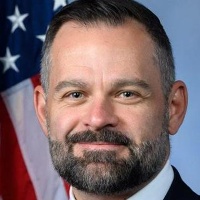
Cory Mills
Representative
FL
Cory Mills
Representative
FL
The CLOUD Aircraft Act mandates the Department of Defense (DoD) to conduct a comprehensive study on the feasibility and cost of equipping all military fixed-wing and rotary-wing aircraft with advanced air-to-air and air-to-ground collision detection systems. This study, conducted in coordination with the FAA, must specifically address aircraft operating frequently in busy domestic airspace. The Secretary of Defense is required to report the findings and recommendations to Congress within 180 days of the Act's enactment.
The FAST Act authorizes the Department of Defense to flexibly acquire software and data necessary to support its artificial intelligence systems.
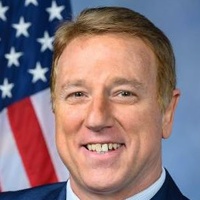
Patrick Fallon
Representative
TX
Patrick Fallon
Representative
TX
The Flexible Acquisition of Software Technology (FAST) Act grants the Secretary of Defense new authority to streamline how the Department of Defense (DoD) purchases and modifies software and data to support its artificial intelligence (AI) systems. This allows the DoD to acquire necessary technology through flexible methods, such as Software as a Service (SaaS) and Data as a Service. The Secretary must establish new regulations to govern these modernized procurement practices for AI technology.
This Act grants the National Weather Service special hiring authority to quickly fill critical public safety positions and mandates regular workforce assessments and employee well-being reports to Congress.
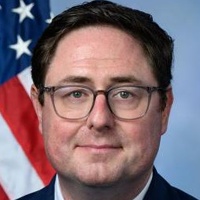
Mike Flood
Representative
NE
Mike Flood
Representative
NE
The Weather Workforce Improvement Act aims to strengthen the National Weather Service's ability to provide accurate and timely forecasts critical for public safety. It grants the NWS Director temporary direct-hire authority to quickly fill essential, public safety-related staffing vacancies. Furthermore, the bill mandates regular workforce assessments and reports on employee health and morale, particularly concerning shift work.
This Act improves Medicare coverage for seniors by ensuring clinical social worker mental health services are billed separately from nursing home payments and expanding the scope of billable services to include health and behavior assessments.
Brian Fitzpatrick
Representative
PA
Brian Fitzpatrick
Representative
PA
The Expanding Seniors Access to Mental Health Services Act aims to improve mental health care access for seniors under Medicare. This bill separates clinical social worker services from standard skilled nursing facility payments, ensuring they are billed distinctly. Furthermore, it expands Medicare coverage for clinical social workers to include health and behavior assessment and intervention services, effective January 1, 2026.
The Pride In Mental Health Act of 2025 establishes grants and federal initiatives to improve mental health services and research specifically for LGBTQ+ youth while explicitly prohibiting the use of funds for conversion therapy.
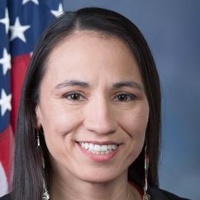
Sharice Davids
Representative
KS
Sharice Davids
Representative
KS
The Pride In Mental Health Act of 2025 establishes a new grant program to improve mental health and substance abuse outcomes for LGBTQ+ youth through culturally competent care and resource development. These grants strictly prohibit funding for conversion therapy practices. The bill also mandates federal data collection on LGBTQ+ youth mental health and requires a report on the needs of those in foster care.
This Act expands mandatory Artificial Intelligence training across the federal executive branch, shifting program oversight to the GSA Administrator and updating the required curriculum to cover AI capabilities, risks, and best practices.
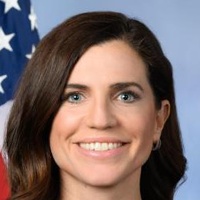
Nancy Mace
Representative
SC
Nancy Mace
Representative
SC
The AI Training Extension Act of 2025 expands mandatory Artificial Intelligence (AI) training across the executive branch to include a wider range of federal employees, such as those in data, technology, and management positions. This legislation shifts the responsibility for establishing and overseeing the comprehensive AI training program to the Administrator of the General Services Administration (GSA). The required curriculum will now cover the science, benefits, and risks of AI, ensuring employees understand its proper development and deployment within the government. Finally, the bill renames the original training act to the broader "Artificial Intelligence Training Act."
This bill mandates that direct-to-consumer advertisements for prescription drugs covered by Medicare or Medicaid must clearly disclose the 30-day Wholesale Acquisition Cost (WAC) if it exceeds $35.
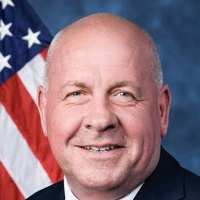
David Taylor
Representative
OH
David Taylor
Representative
OH
The Drug-price Transparency for Consumers Act of 2025 mandates that direct-to-consumer advertisements for prescription drugs covered by Medicare or Medicaid must disclose the Wholesale Acquisition Cost (WAC) for a 30-day supply, provided the cost exceeds $35. This aims to increase consumer awareness of drug pricing, as current advertising practices often drive demand for expensive, newly approved medications without providing cost transparency. Failure to comply with this new disclosure requirement will result in significant civil monetary penalties.
This bill increases the monthly housing stipend for veterans pursuing education solely through distance learning under the Post-9/11 Educational Assistance Program.
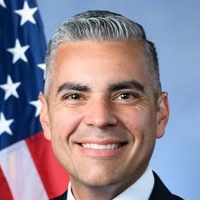
Juan Ciscomani
Representative
AZ
Juan Ciscomani
Representative
AZ
The Expanding Access for Online Veteran Students Act aims to increase financial support for veterans pursuing education entirely online. This bill eliminates the current 50% cap on the monthly housing stipend for eligible Post-9/11 GI Bill recipients enrolled more than half-time in distance learning programs. If enacted, this change would allow these students to receive the full monthly housing allowance rate, effective for terms beginning on or after August 1, 2025.
This act establishes a federal grant program to fund search and rescue operations, equipment, and maintenance in remote areas on public lands managed by the Department of the Interior or the Department of Agriculture.
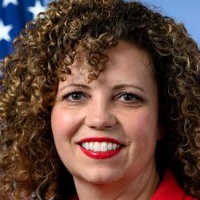
Celeste Maloy
Representative
UT
Celeste Maloy
Representative
UT
The Public Land Search and Rescue Act establishes a new federal grant program to support search and rescue operations conducted on remote federal lands managed by the Department of the Interior or Agriculture. This program prioritizes funding for high-visitation areas, covering up to 75% of eligible costs for equipment, maintenance, and direct rescue activities. Eligible recipients include state and local entities with existing legal authority and proven capability to perform these specialized remote rescues.
The HOME Act of 2025 improves VA guidance for lenders on veteran residual income, establishes a voluntary financial counseling option for VA loan recipients, creates a database of adapted housing for sale, and mandates outreach to veterans residing in U.S. Territories.
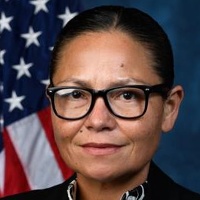
Kimberlyn King-Hinds
Representative
MP
Kimberlyn King-Hinds
Representative
MP
The Heroes Owning and Materializing Equity (HOME) Act of 2025 aims to improve VA home loan processes for veterans. It mandates clearer guidance for lenders on veteran residual income and establishes voluntary financial counseling options. Additionally, the bill requires the VA to create a database of pre-adapted homes for sale and mandates proactive outreach to veterans residing in U.S. Territories regarding their benefits.
This Act mandates coordination between the NSF and USDA to conduct joint research and development focused on agriculture, food security, rural revitalization, and related STEM education and infrastructure.
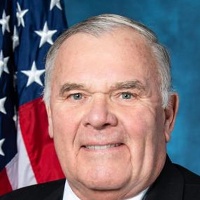
James Baird
Representative
IN
James Baird
Representative
IN
The NSF and USDA Interagency Research Act mandates that the National Science Foundation and the Department of Agriculture coordinate and conduct joint research and development activities. This collaboration will focus on critical areas such as agricultural biology, food security, rural revitalization, and the application of advanced technologies like AI and robotics in farming. The Act also supports related infrastructure, workforce development, and educational initiatives, requiring a report to Congress detailing coordination efforts within two years.
This resolution urgently calls for the immediate delivery of humanitarian aid to address the severe hunger crisis in Gaza and demands the administration use all diplomatic means to secure hostage release and end the fighting.

Pramila Jayapal
Representative
WA
Pramila Jayapal
Representative
WA
This resolution formally expresses the House of Representatives' grave concern over the severe humanitarian crisis and widespread suffering of civilians in Gaza, alongside the plight of hostages. It urgently calls on the Administration to use all diplomatic tools to secure the release of all hostages. Furthermore, the bill demands the immediate delivery and secure distribution of essential humanitarian aid to address the catastrophic hunger crisis in Gaza.