Legislative Activity
Track Eugene's sponsored bills, co-sponsored legislation, and voting record
This bill provides hazard pay for federal employees carrying out prescribed burns and for smokejumpers.
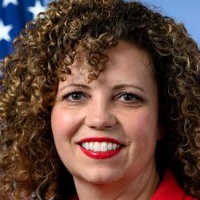
Celeste Maloy
Representative
UT
Celeste Maloy
Representative
UT
This bill seeks to amend federal law to provide hazard pay for federal employees carrying out prescribed burns and for smokejumpers. It officially recognizes that performing prescribed burns and parachute jumping for firefighting duties involve unusual physical hardship or hazard comparable to fighting active wildfires. The Office of Personnel Management is tasked with implementing the necessary regulations to ensure this hazard pay takes effect promptly.
This act prohibits discrimination in federal jury service based on disability or age, ensuring individuals are not excluded if they can perform the essential functions of jury duty with reasonable accommodation.
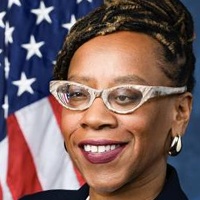
Lateefah Simon
Representative
CA
Lateefah Simon
Representative
CA
This Act prohibits discrimination against individuals based on disability or age in federal jury service. It amends federal law to ensure that a disability cannot be used as a basis for exclusion from a jury unless the individual cannot perform the essential functions of service even with a reasonable accommodation. The legislation updates existing jury qualification standards to reflect this nondiscrimination principle.
This Act mandates the Center for Mental Health Services to develop and implement a national strategy addressing the impact of new technologies on children's mental health.
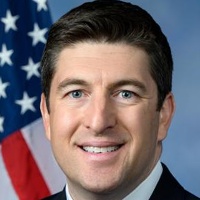
Bryan Steil
Representative
WI
Bryan Steil
Representative
WI
The Protecting Young Minds Online Act mandates the Center for Mental Health Services to develop and implement a national strategy. This strategy will specifically address the impact of new technologies, such as social media, on the mental health of children. The goal is to equip local communities with the resources needed to manage these effects.
This Act updates Medicaid rules to modify how states calculate Disproportionate Share Hospital (DSH) payment adjustments and allows states to retroactively use unspent federal DSH funds for prior years.
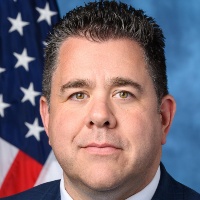
Nicolas LaLota
Representative
NY
Nicolas LaLota
Representative
NY
The Save our Safety-Net Hospitals Act of 2025 modifies how states calculate Disproportionate Share Hospital (DSH) payments under Medicaid to ensure hospitals receive appropriate supplemental funding. This bill updates eligibility criteria by changing which patient costs are included in the DSH calculation formula. Furthermore, it allows states to use previously unspent federal DSH funds to increase payments for certain past rate years, provided they adhere to existing allotment caps.
This Act mandates a review of federal nursing workforce programs to recommend changes that increase faculty, facilitate experienced nurse transitions to teaching, and expand LPN-to-RN pathways.
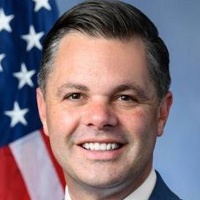
Zachary (Zach) Nunn
Representative
IA
Zachary (Zach) Nunn
Representative
IA
The Train More Nurses Act mandates a comprehensive review of federal grant programs supporting the nursing workforce. The resulting report must provide Congress with specific recommendations to improve these programs. Key goals include increasing nursing faculty, facilitating experienced nurses' transition to teaching, and creating clearer pathways for LPNs to become RNs.
This Act updates the timeline for expanding middle mile internet infrastructure into rural areas from 2018-2023 to 2026-2031 under the Rural Electrification Act.
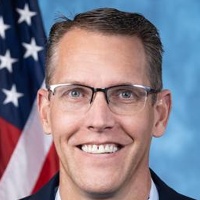
Randy Feenstra
Representative
IA
Randy Feenstra
Representative
IA
The Middle Mile for Rural America Act updates the timeline for expanding essential middle mile internet infrastructure into rural areas. This legislation shifts the designated period for these expansion projects under the Rural Electrification Act from 2018–2023 to the new timeframe of 2026 through 2031. This change ensures continued focus and potential funding for critical rural broadband development in the coming years.
This bill establishes a mandatory supply fee paid by Medicare drug plans to long-term care pharmacies for specific prescriptions in 2026 and 2027, while also mandating a GAO study on the financial sustainability of the current payment system.
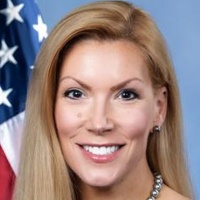
Beth Van Duyne
Representative
TX
Beth Van Duyne
Representative
TX
This Act establishes a mandatory supply fee for Medicare drug plans to pay long-term care pharmacies for specific prescriptions dispensed in 2026 and 2027. The bill mandates a $30 fee per prescription in 2026, increasing in 2027, with penalties for non-payment. Additionally, the GAO is required to study the financial sustainability of the current payment structure for these essential pharmacies. This legislation aims to ensure continued access to medications for patients in long-term care settings.
This bill establishes a grant program through the USDA to fund domestic market development projects for U.S.-grown specialty crops, requiring a minimum 25% non-federal match.
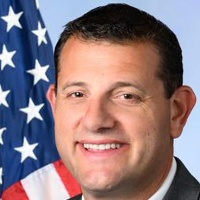
David Valadao
Representative
CA
David Valadao
Representative
CA
The Specialty Crop Domestic Market Promotion and Development Program Act of 2025 establishes a new federal grant program to boost the domestic market for U.S.-grown specialty crops. The Secretary of Agriculture will award funds to eligible organizations to execute approved marketing and development projects. Recipients must provide non-Federal matching funds and adhere to strict spending guidelines monitored through annual reviews and audits.
This act lowers the minimum experience requirement for farmers and ranchers seeking direct farm real estate loans from the government.
Zachary (Zach) Nunn
Representative
IA
Zachary (Zach) Nunn
Representative
IA
The Next Generation of Farmers Act of 2025 significantly lowers the minimum experience requirement for farmers and ranchers seeking direct farm real estate loans from the government. This legislation reduces the required substantial management experience from previous multi-year standards down to a minimum of one year. The Secretary of Agriculture retains discretion to accept alternative education or experience in place of direct farm management.
The FORWARD Act allows eligible retired or disabled military personnel to contribute to their Thrift Savings Plan (TSP) using their retirement or disability pay.
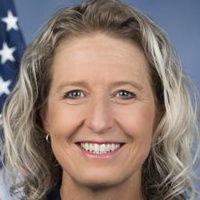
Jennifer Kiggans
Representative
VA
Jennifer Kiggans
Representative
VA
The FORWARD Act expands eligibility for retired or disabled military personnel to contribute to the Thrift Savings Plan (TSP) using their military retirement or disability pay. This provision allows eligible former service members to make contributions, though these deposits will not receive any government matching funds. The relevant agencies have 180 days to establish the necessary regulations for this new option.
This Act directs the Departments of HUD and Agriculture to create a joint agreement to streamline environmental reviews and processes for housing projects funded by both agencies.
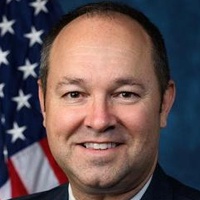
Marlin Stutzman
Representative
IN
Marlin Stutzman
Representative
IN
The Streamlining Rural Housing Act of 2025 mandates that the Departments of HUD and Agriculture create a joint agreement to speed up environmental reviews for federally funded rural housing projects. This partnership aims to designate a lead agency and streamline the acceptance of environmental documentation between the two departments. The Act also establishes an advisory group composed of diverse stakeholders to guide implementation and requires a final report to Congress suggesting further efficiency improvements without compromising resident safety or environmental standards.
The CARE for Children Act officially recognizes and funds "cottage family homes" as a new option for foster care placements, ensuring they meet strict standards for child well-being and family connection.
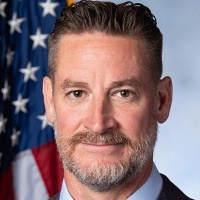
W. Steube
Representative
FL
W. Steube
Representative
FL
The Create Accountable Respectful Environments (CARE) for Children Act officially recognizes and integrates "cottage family homes" into federal foster care regulations. This allows these specialized homes to receive federal maintenance payments if they meet strict standards focused on family connection, trauma-informed care, and prohibiting harmful restraints. The bill ensures states maintain flexibility in utilizing these placements while upholding high standards for child well-being.
The Data BRIDGE Act mandates the FCC to update the national broadband map to specifically include the locations of agricultural areas after consulting with relevant agencies.
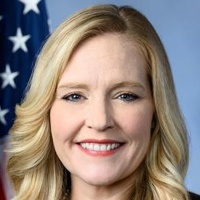
Erin Houchin
Representative
IN
Erin Houchin
Representative
IN
The Data BRIDGE Act mandates that the FCC update its national broadband map to specifically include the locations of agricultural areas. This update must be completed within 180 days of the bill's enactment. To ensure accuracy, the FCC is required to consult with the Secretary of Agriculture and other relevant stakeholders during this process. This action aims to better identify broadband coverage gaps affecting farms.
This bill extends the federal regulations governing High Occupancy Vehicle (HOV) facilities from September 30, 2025, to September 30, 2031.
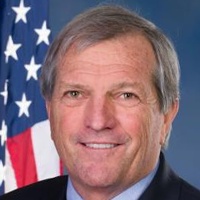
Mark DeSaulnier
Representative
CA
Mark DeSaulnier
Representative
CA
The High Occupancy Vehicle Lane Exemption Reauthorization Act extends the federal regulations governing High Occupancy Vehicle (HOV) facilities. Specifically, this bill pushes back the expiration date for these existing HOV facility rules from September 30, 2025, to September 30, 2031. This ensures the current federal guidelines remain in effect for an additional six years.
The Rural Housing Service Reform Act of 2025 streamlines administrative processes, preserves existing rural rental housing, expands access to repair loans, establishes new community development grants, and mandates reporting to improve the efficiency and transparency of USDA rural housing programs.
Zachary (Zach) Nunn
Representative
IA
Zachary (Zach) Nunn
Representative
IA
The Rural Housing Service Reform Act of 2025 aims to modernize and stabilize rural housing programs across the nation. It streamlines administrative processes, establishes permanent protections for existing affordable rental housing, and improves access to repair loans for low-income homeowners. Furthermore, the bill creates new grant opportunities for local development and mandates greater transparency and efficiency in the application review process.
The CLEAN Pacific Act of 2025 establishes the Pacific Counternarcotics Initiative to fund and coordinate efforts with Pacific island nations to seize, destroy, and prevent the diversion of illegal drug production chemicals.
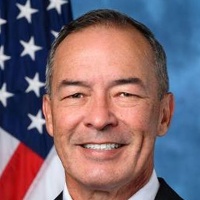
James (Jim) Moylan
Representative
GU
James (Jim) Moylan
Representative
GU
The CLEAN Pacific Act of 2025 establishes the Pacific Counternarcotics Initiative to help partner nations in the Pacific combat illegal drug production chemicals. This program focuses on improving the seizure, destruction, and safe disposal of seized chemicals while boosting international law enforcement cooperation. The Secretary of State must submit a detailed five-year implementation plan to Congress outlining strategy, benchmarks, and funding, followed by annual progress reports. Funding for the initiative will be redirected from existing authorizations under the Foreign Assistance Act of 1961.
This Act updates federal funding requirements for school career guidance and counseling programs to better align student options with current workforce needs and expand personalized support services.
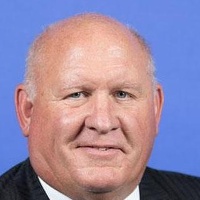
Glenn Thompson
Representative
PA
Glenn Thompson
Representative
PA
The Counseling for Career Choice Act updates federal education funding to strengthen career guidance and counseling programs in schools. This legislation mandates that these programs align student options with current local workforce needs and requires counselors to provide personalized planning, financial literacy awareness, and exposure to real-world experiences like apprenticeships. Furthermore, the Act encourages strong partnerships between schools and local workforce development boards to ensure students have access to up-to-date career information and support.
This act increases the flexibility for states to transfer up to 75 percent of designated federal-aid highway funds to other approved uses.
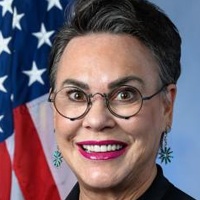
Harriet Hageman
Representative
WY
Harriet Hageman
Representative
WY
The Highway Funding Transferability Improvement Act increases the flexibility for states to manage their federal highway funds. This legislation raises the maximum percentage of designated federal-aid highway funds that a state can transfer to other approved uses from 50 percent to 75 percent. This change allows states greater autonomy in directing federal transportation dollars to meet their specific infrastructure needs.
This Act establishes a multi-sector Task Force, led by the Treasury Secretary, to study, recommend strategies for, and report on preventing evolving electronic payment scams.
Zachary (Zach) Nunn
Representative
IA
Zachary (Zach) Nunn
Representative
IA
The Taskforce for Recognizing and Averting Payment Scams Act (TRAPS Act) establishes a new Task Force led by the Secretary of the Treasury. This diverse group, including federal agencies, industry experts, and consumer advocates, will study evolving payment scams. The Task Force is charged with developing cross-sector prevention strategies and submitting comprehensive recommendations for new laws and improved coordination to combat these fraudulent activities.
The GO Ag Act establishes a competitive grant program, capped at \$100,000 per recipient, to fund the creation of new high school agricultural education programs through fiscal year 2028.
Glenn Thompson
Representative
PA
Glenn Thompson
Representative
PA
The Growing Opportunities in Agriculture Act (GO Ag Act) establishes a new competitive grant program to fund the creation of innovative, high-quality agricultural education programs in high schools. These grants, limited to $100,000 per entity, are intended to develop new curricula, support work-based learning, and fund leadership training. Recipients must report annually on program performance, with a total authorization of $5 million through FY 2028.