Legislative Activity
Track Eugene's sponsored bills, co-sponsored legislation, and voting record
The GO Ag Act establishes a competitive grant program, capped at \$100,000 per recipient, to fund the creation of new high school agricultural education programs through fiscal year 2028.
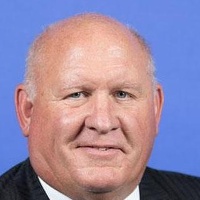
Glenn Thompson
Representative
PA
Glenn Thompson
Representative
PA
The Growing Opportunities in Agriculture Act (GO Ag Act) establishes a new competitive grant program to fund the creation of innovative, high-quality agricultural education programs in high schools. These grants, limited to $100,000 per entity, are intended to develop new curricula, support work-based learning, and fund leadership training. Recipients must report annually on program performance, with a total authorization of $5 million through FY 2028.
This act increases the flexibility for states to transfer up to 75 percent of designated federal-aid highway funds to other approved uses.
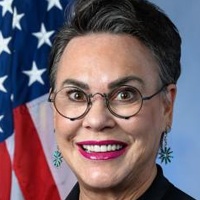
Harriet Hageman
Representative
WY
Harriet Hageman
Representative
WY
The Highway Funding Transferability Improvement Act increases the flexibility for states to manage their federal highway funds. This legislation raises the maximum percentage of designated federal-aid highway funds that a state can transfer to other approved uses from 50 percent to 75 percent. This change allows states greater autonomy in directing federal transportation dollars to meet their specific infrastructure needs.
The Afghan Adjustment Act creates pathways to conditional permanent residency for eligible Afghans already in the U.S. and establishes special refugee processing for at-risk Afghan allies who worked with U.S. interests.
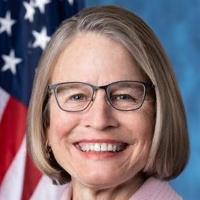
Mariannette Miller-Meeks
Representative
IA
Mariannette Miller-Meeks
Representative
IA
The Afghan Adjustment Act establishes new pathways for certain Afghan nationals already in the U.S. to obtain conditional permanent resident status, contingent upon rigorous security vetting. It also creates a special referral process for at-risk Afghan allies still outside the U.S. to access the U.S. Refugee Admissions Program remotely. Furthermore, the bill extends deadlines and expands eligibility for existing Special Immigrant Visas (SIVs) while mandating significant interagency coordination and reporting to Congress on processing efficiency.
This bill authorizes the award of a Congressional Gold Medal to honor the service and sacrifice of Army and Navy nurses who served during World War II.
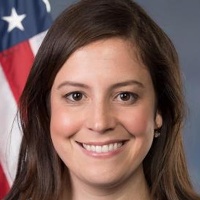
Elise Stefanik
Representative
NY
Elise Stefanik
Representative
NY
This bill authorizes Congress to award the Congressional Gold Medal to the nurses who served in the Army and Navy Nurse Corps during World War II to recognize their extraordinary service and sacrifice. The legislation highlights the dangerous conditions these nurses faced, often without full military status or benefits. The Secretary of the Treasury will strike the medal, which will ultimately be housed at the Smithsonian Institution. The Act also permits the sale of bronze duplicates to cover production costs.
This act mandates that the Department of Veterans Affairs must provide abortion care, counseling, and related services and medication to eligible veterans and certain other individuals.
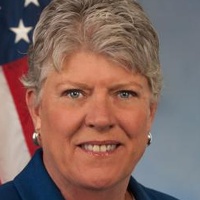
Julia Brownley
Representative
CA
Julia Brownley
Representative
CA
The Reproductive Freedom for Veterans Act mandates that the Department of Veterans Affairs (VA) must now provide abortion care, counseling, and related medication as part of the medical services offered to eligible veterans and certain other beneficiaries. This legislation formally amends existing VA health care provisions to include these reproductive health services.
This Act mandates the State Department to improve coordination and specialized training for overseas security personnel and report on those efforts to Congress.
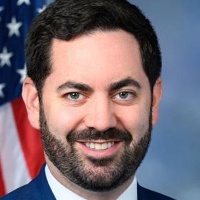
Michael Lawler
Representative
NY
Michael Lawler
Representative
NY
The Secure Our Embassies Act emphasizes the critical need for enhanced security coordination among various State Department personnel responsible for protecting U.S. diplomatic missions abroad. It supports better integration between physical security, technology, and building operations staff to address complex threats. Furthermore, the bill mandates specific counterintelligence training for key security roles and requires the Secretary of State to report on plans to improve this coordination and training.
The House of Representatives expresses its strong opposition to any presidential pardon or clemency for Ghislaine Maxwell, affirming her conviction for sex trafficking and abuse.
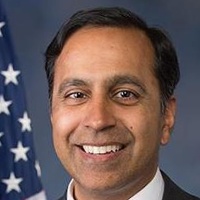
Raja Krishnamoorthi
Representative
IL
Raja Krishnamoorthi
Representative
IL
This House resolution expresses the strong sense of Congress opposing any pardon, commutation, or clemency for Ghislaine Maxwell. It affirms her conviction for sex trafficking and emphasizes that her continued imprisonment is necessary for justice for the survivors. The resolution serves as a formal condemnation of her heinous crimes and stands firmly with the victims.
The Fairness for Khobar Act of 2025 authorizes lump-sum catch-up payments for victims of the 1983 Beirut barracks bombing and 1996 Khobar Towers bombing who missed out on earlier payments due to incorrect Department of Justice guidance.
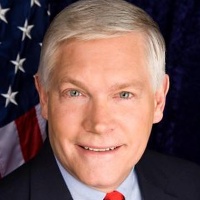
Pete Sessions
Representative
TX
Pete Sessions
Representative
TX
The Fairness for Khobar Act of 2025 ensures that certain victims of the 1983 Beirut barracks bombing and the 1996 Khobar Towers bombing receive overdue lump sum payments. This legislation corrects past injustices where victims were denied payments due to relying on incorrect guidance from the Department of Justice. The Act mandates the Special Master to authorize these catch-up payments using designated reserve funds.
This act establishes a strategic defense innovation partnership between the U.S. and Taiwan to boost defense technology collaboration, counter Chinese influence, and accelerate joint research and development in key areas.
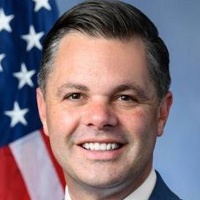
Zachary (Zach) Nunn
Representative
IA
Zachary (Zach) Nunn
Representative
IA
The U.S.-Taiwan Defense Innovation Partnership Act establishes a strategic partnership between the U.S. Department of Defense and Taiwan's defense agencies. This initiative aims to boost defense industry collaboration, accelerate joint research and development, and strengthen Taiwan's defense manufacturing capabilities. The partnership will focus on emerging technologies like AI, microchips, and drones to enhance security cooperation.
The Don Young American Grown Act mandates that official decorations in high-level federal buildings must exclusively use flowers and greenery grown in the United States.
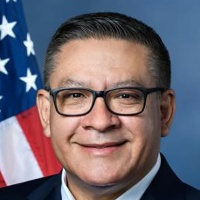
Salud Carbajal
Representative
CA
Salud Carbajal
Representative
CA
The Don Young American Grown Act mandates that official floral and greenery decorations in high-level federal buildings, including the Executive Office of the President, State, and Defense Departments, must be grown in the United States. This requirement applies to cut flowers and greens used for official displays, excluding personal decorations. The new rule will take effect one year after the Act is signed into law.
This Act mandates that funds from the Infrastructure Investment and Jobs Act designated for lead pipe replacement in drinking water systems must be distributed as forgivable loans or grants exclusively to disadvantaged communities.
Zachary (Zach) Nunn
Representative
IA
Zachary (Zach) Nunn
Representative
IA
The Safe Drinking Water for Disadvantaged Communities Act mandates that funds from the Infrastructure Investment and Jobs Act designated for lead pipe replacement must be distributed as forgivable loans or grants. This funding is exclusively targeted toward disadvantaged communities to ensure equitable access to safe drinking water infrastructure upgrades.
This bill prohibits the Department of Transportation from using, procuring, or contracting for LiDAR technology originating from specified foreign adversaries.
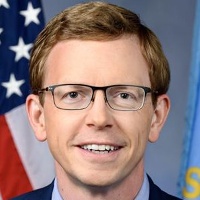
Dusty Johnson
Representative
SD
Dusty Johnson
Representative
SD
The Securing Infrastructure from Adversaries Act of 2025 prohibits the Department of Transportation (DOT) from procuring or contracting for the use of certain foreign-made LiDAR technology identified in related defense legislation. This ban applies to purchases, contracts, and the use of federal loan or grant funds for this restricted technology, generally beginning in mid-2026. The Secretary of Transportation may only waive this prohibition if it is certified to be in the national interest of the United States. Certain safety testing and regulatory exemption activities remain exempt from these restrictions.
The COTA Act mandates that career guidance services promote awareness and provide advice on high-skill, high-wage, and in-demand skilled trade and technical education programs.
Glenn Thompson
Representative
PA
Glenn Thompson
Representative
PA
The Creating Opportunities to Thrive and Advance (COTA) Act amends the Workforce Innovation and Opportunity Act to enhance career guidance services. This legislation mandates that states actively promote high-skill, high-wage, and in-demand career paths, particularly those involving skilled trades. Furthermore, it requires increased public awareness campaigns for relevant Career and Technical Education (CTE) programs.
The Ethics in Energy Act of 2025 prohibits covered utilities from passing the costs of political influence activities onto ratepayers and mandates detailed annual reporting of such expenses to FERC.
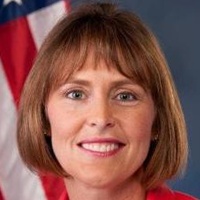
Kathy Castor
Representative
FL
Kathy Castor
Representative
FL
The Ethics in Energy Act of 2025 prohibits covered electric and natural gas utilities from passing the costs of political influencing activities onto their customers through rate requests. The Act mandates that FERC establish new accounting rules to segregate these "covered expenses" and requires utilities to submit detailed annual reports on all such political spending. Utilities found to have wrongly charged ratepayers for these expenses will face significant financial penalties, with collected funds split between customer rebates and enforcement.
This bill mandates a long-term study and creation of a health registry to investigate the neurological and mental health effects of G-force stress and flight operations on military aviators.
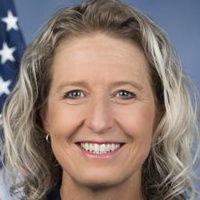
Jennifer Kiggans
Representative
VA
Jennifer Kiggans
Representative
VA
The Warrior Impact from Neurological and G-Force Stress Act (WINGS Act) mandates a comprehensive, long-term study by the VA to investigate the physical and mental health effects of military flight operations, particularly high G-forces, on aviators. This research will examine links between flight stress and conditions like TBI, cognitive decline, and mental health issues, comparing aviators to other service members. The bill also requires the creation of a dedicated Military Aviator Neurohealth Registry to track this data over time.
This act codifies the FTC's "click-to-cancel" rule into federal law, requiring businesses to provide simple online cancellation methods for subscriptions.
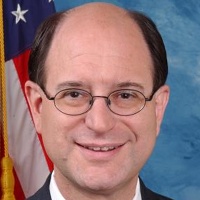
Brad Sherman
Representative
CA
Brad Sherman
Representative
CA
The Click to Cancel Act of 2025 officially codifies the Federal Trade Commission's "click-to-cancel" rule into federal law. This mandates that businesses provide consumers with a simple, online method to cancel subscriptions. Violations of this new law will be enforced by the FTC using its existing authority under the Federal Trade Commission Act.
This Act establishes the "Local Farmers Feeding Our Communities" program to strengthen local food security by funding agreements that support local producers and distribute fresh food to communities.
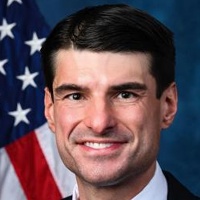
Robert Bresnahan
Representative
PA
Robert Bresnahan
Representative
PA
The Local Farmers Feeding our Communities Act establishes a new program to support local food producers and strengthen regional food security. This initiative requires the Secretary of Agriculture to fund agreements that ensure nutritious, locally sourced food is purchased and distributed widely, prioritizing small and beginning farmers. Funds must be used to buy minimally processed local products and provide technical assistance to producers. The program is backed by mandatory funding starting in Fiscal Year 2026.
This bill updates Medicare payment rates for air ambulance services by requiring new cost data collection and mandating a GAO study on emergency air ambulance expenses.
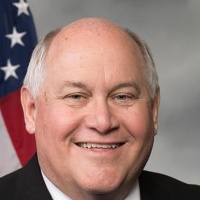
Ron Estes
Representative
KS
Ron Estes
Representative
KS
The Protecting Air Ambulance Services for Americans Act of 2025 aims to improve the Medicare payment system for emergency air ambulance services. This bill directs the Secretary of Health and Human Services to update payment rates using newly collected cost data from providers. Furthermore, it mandates the timely finalization of data collection rules and requires the GAO to study the true operating costs of air ambulance services to inform future payment adjustments.
This act modernizes tax incentives by adjusting the percentage depletion rate for the mining of rare earths and scandium.
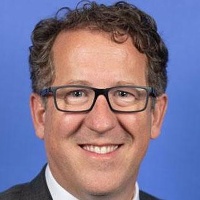
Adrian Smith
Representative
NE
Adrian Smith
Representative
NE
The Critical Minerals Investment Tax Modernization Act of 2025 updates tax incentives for domestic mineral production. Specifically, this bill amends the Internal Revenue Code to increase the percentage depletion rate to 22% for the mining of rare earths and scandium. This change aims to encourage investment in the extraction of these strategically important materials.
This Act eliminates age restrictions and simplifies premium requirements for adult children covered under the TRICARE Young Adult program.
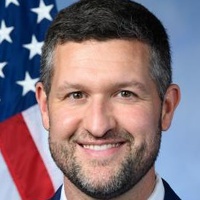
Patrick Ryan
Representative
NY
Patrick Ryan
Representative
NY
The Health Care Fairness for Military Families Act of 2025 significantly improves the TRICARE Young Adult (TYA) program for military dependents. This legislation eliminates the age restriction for TYA eligibility and removes the separate premium requirement for coverage. These changes aim to provide broader and simpler healthcare access for adult children of service members.