Legislative Activity
Track Eugene's sponsored bills, co-sponsored legislation, and voting record
This Act establishes a strict 7-day deadline for ticket agents to issue flight refunds to consumers after receiving the funds from the airline for cancelled or significantly changed flights.
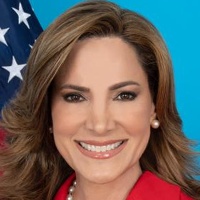
Maria Salazar
Representative
FL
Maria Salazar
Representative
FL
The Flight Refund Fairness Act establishes clear, strict deadlines for ticket agents to issue refunds to consumers after a flight cancellation or significant delay. Specifically, ticket agents must now return the refund money to the customer within seven days of receiving the funds from the airline. This legislation replaces vague "promptly" requirements with a concrete timeline to ensure passengers receive their money back faster.
This joint resolution directs the President to remove U.S. Armed Forces from hostilities against certain designated groups and states unless Congress authorizes the use of force, while preserving the right to self-defense.
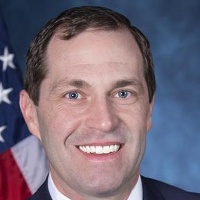
Jason Crow
Representative
CO
Jason Crow
Representative
CO
This joint resolution directs the President to remove U.S. Armed Forces from hostilities initiated after February 20, 2025, against designated terrorist groups or drug trafficking organizations without prior Congressional authorization. It asserts Congress's constitutional power to declare war and finds recent military strikes against vessels lacked proper justification. The bill allows for continued use of forces for self-defense or authorized counternarcotics support, but explicitly states drug trafficking alone does not constitute an armed attack.
This bill expands federal subsidies under the Federal Water Pollution Control Act to support technology investments focused on water efficiency, energy efficiency, and sustainable infrastructure.
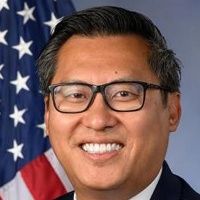
Vince Fong
Representative
CA
Vince Fong
Representative
CA
This bill amends the Federal Water Pollution Control Act to expand eligibility for additional federal subsidies for water infrastructure projects. It specifically allows these funds to support investments in new technologies and processes that promote water efficiency, energy efficiency, and stormwater runoff reduction. The goal is to encourage the development of cost-effective and sustainable water infrastructure.
This bill establishes a centralized online portal managed by the Appraisal Subcommittee for appraiser credentialing, AMC registration, fee collection, and streamlined FBI background checks, while preserving state licensing authority.
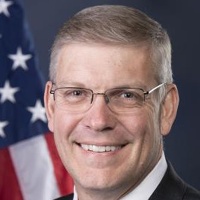
Barry Loudermilk
Representative
GA
Barry Loudermilk
Representative
GA
The Portal for Appraisal Licensing Act of 2025 establishes a centralized, cloud-based system managed by the Appraisal Subcommittee for appraiser credentialing and AMC registration. This portal will streamline license submissions, fee payments, and access to required FBI background checks for state regulators. While the system centralizes data and tracking via unique IDs, states retain final authority over licensing decisions. The Subcommittee will establish an advisory committee and charge reasonable user fees to fund the portal's development and maintenance.
The Safe Step Act mandates that group health plans using medication step therapy establish clear, timely exception processes for patients and doctors when required drugs are medically inappropriate or ineffective.
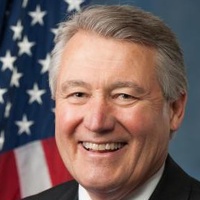
Rick Allen
Representative
GA
Rick Allen
Representative
GA
The Safe Step Act establishes mandatory, transparent exception processes for health plans that use "step therapy" protocols for prescription drugs. This ensures patients or their doctors can quickly request coverage for a prescribed medication when specific clinical criteria are met, such as previous treatment failure or risk of harm. Plans must decide on standard requests within 72 hours and urgent requests within 24 hours, and approved exceptions must last for at least one year. Furthermore, insurers must report detailed data annually on exception requests, approvals, and denials to the Secretary of Health and Human Services.
This act eliminates federal income tax on overtime compensation earned by all workers.
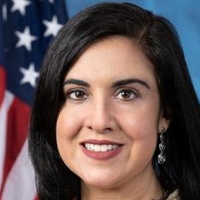
Nicole Malliotakis
Representative
NY
Nicole Malliotakis
Representative
NY
The No Tax on Overtime for All Workers Act amends the tax code to clarify and expand the definition of "qualified overtime compensation." This change ensures that overtime pay earned above a standard rate, whether mandated by the Fair Labor Standards Act or agreed upon beforehand with an employer, is treated favorably for tax purposes. The goal is to incentivize and reward workers for putting in extra hours.
This Act mandates the State Department to develop a diplomatic action plan and report to Congress regarding United States nationals and their family members unjustly detained or subjected to exit bans by the People's Republic of China, while also authorizing sanctions against responsible Chinese officials.
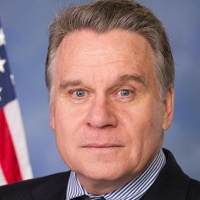
Christopher Smith
Representative
NJ
Christopher Smith
Representative
NJ
This Act addresses the unjust detention of U.S. nationals and their family members by the People's Republic of China. It mandates the development of a diplomatic action plan by the Secretary of State to secure releases and hold accountable Chinese officials responsible for these detentions. Furthermore, the bill calls for increased reporting to Congress and outlines specific policy actions to condemn China's use of detention and exit bans as leverage.
The Prevent Youth Suicide Act mandates that schools serving grades 6-12 implement evidence-based suicide prevention protocols, postvention plans, and trauma-informed care as a condition of receiving federal funding.
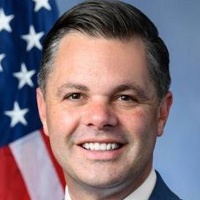
Zachary (Zach) Nunn
Representative
IA
Zachary (Zach) Nunn
Representative
IA
The Prevent Youth Suicide Act mandates that schools serving grades 6 through 12 establish comprehensive, evidence-based suicide prevention and postvention protocols to maintain federal funding. These rules require biennial staff training, clear referral systems for at-risk students, and the adoption of a trauma-informed approach. The Secretary of Education is tasked with creating these regulations, providing resources, and monitoring compliance.
The SHINE for Autumn Act of 2025 establishes federal grants for states to improve stillbirth surveillance, data collection, and risk factor research while mandating the development of standardized educational guidelines on stillbirth.
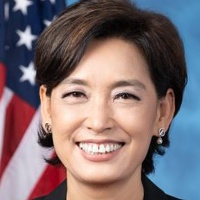
Young Kim
Representative
CA
Young Kim
Representative
CA
The SHINE for Autumn Act of 2025 aims to significantly improve federal support for state-level stillbirth research and data collection. It authorizes grants for states to enhance surveillance, track risk factors, and build local capacity for analyzing stillbirth data, provided the information remains de-identified. Furthermore, the bill mandates the development of standardized guidelines and educational materials regarding stillbirth awareness and risk factors, developed in consultation with experts and bereaved families.
The HEALTH Act of 2025 permanently establishes Medicare payment parity for telehealth services provided by Federally Qualified Health Centers and Rural Health Clinics, including audio-only visits, while removing originating site location requirements for these providers.
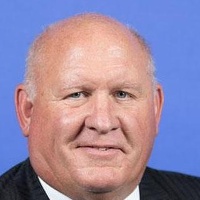
Glenn Thompson
Representative
PA
Glenn Thompson
Representative
PA
The HEALTH Act of 2025 permanently updates Medicare rules for Federally Qualified Health Centers (FQHCs) and Rural Health Clinics (RHCs) regarding telehealth. This legislation permanently recognizes audio-only calls as reimbursable telehealth services and removes geographic location requirements for patients receiving care from these clinics. Furthermore, it ensures permanent payment parity for these telehealth visits, treating them as standard outpatient services for billing purposes.
This House resolution strongly condemns all forms of political violence and demands an end to dehumanizing rhetoric against political opponents.
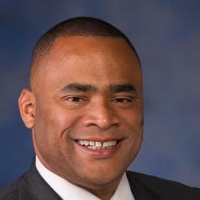
Marc Veasey
Representative
TX
Marc Veasey
Representative
TX
This House Resolution strongly condemns all forms of political violence and threats against elected officials and public figures, regardless of political affiliation. It affirms that disagreements must be resolved through peaceful and democratic means, not intimidation or force. The resolution urges law enforcement to prosecute those who commit or encourage such violence. Finally, it calls on all leaders to cease using dehumanizing rhetoric and promote civil discourse.
The MAP Roads Act establishes a pilot program to provide federal grants to states for digitizing and publicly mapping their county road systems to improve access and safety.
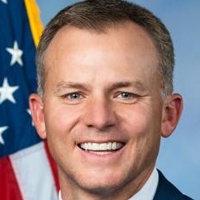
Blake Moore
Representative
UT
Blake Moore
Representative
UT
The MAP Roads Act establishes a pilot program to help states digitally map their unmapped county roads, aiming to improve rural business, safety, and navigation. The Secretary of Transportation will award grants to states that commit to creating a centralized, public repository for this standardized road data. Participating states must ensure the collected data is publicly accessible and updated annually. This grant authority is set to expire in 2031.
This Act modernizes Department of Veterans Affairs outreach by expanding communication methods for new veterans and allowing beneficiaries to opt into digital correspondence for education benefits, while also extending certain pension payment limits.
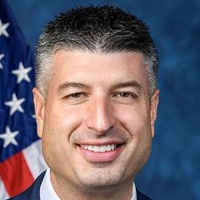
Tom Barrett
Representative
MI
Tom Barrett
Representative
MI
The Delivering Digitally to Our Veterans Act of 2025 modernizes how the Department of Veterans Affairs communicates with veterans by expanding outreach methods beyond traditional calling and mail to include texts and electronic messaging. This legislation specifically updates the Solid Start program and allows veterans to opt-in for digital correspondence regarding their educational assistance benefits. Additionally, the Act extends the expiration date for certain existing limits on pension payments.
This bill establishes a grant program to fund public colleges training medical students to provide primary health care in medically underserved communities.
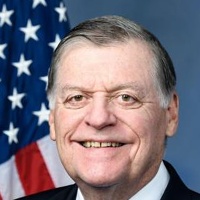
Tom Cole
Representative
OK
Tom Cole
Representative
OK
The Medical Student Education Authorization Act of 2025 establishes a new federal grant program to bolster primary healthcare in medically underserved communities. This funding, administered by HRSA, will support public medical colleges that train students committed to practicing in high-need areas like rural or Tribal regions. Grants will focus on developing community-based training, increasing faculty capacity, and providing direct student support to improve the primary care workforce pipeline.
This bill mandates dedicated, funded resources for specialized 988 Suicide Prevention Lifeline services for LGBTQ+ youth.
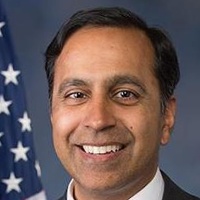
Raja Krishnamoorthi
Representative
IL
Raja Krishnamoorthi
Representative
IL
The **988 LGBTQ+ Youth Access Act of 2025** addresses the high rates of suicide risk among LGBTQ youth by strengthening specialized support through the national crisis hotline. This bill mandates that dedicated resources and services, such as a specific dialing option, must be maintained for LGBTQ individuals contacting 988. Furthermore, it requires that at least 9 percent of appropriated funds for the hotline be specifically reserved to ensure these specialized services for LGBTQ youth remain fully operational.
The Stop CMV Act of 2025 establishes a framework for voluntary newborn screening for congenital Cytomegalovirus (CMV), provides federal funding for state implementation and data collection, and expands research efforts.
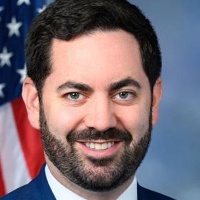
Michael Lawler
Representative
NY
Michael Lawler
Representative
NY
The Stop CMV Act of 2025 aims to establish a national framework for screening newborns for congenital Cytomegalovirus (CMV). This legislation authorizes federal funding for states to implement testing programs and improve data collection systems related to CMV. Furthermore, the bill mandates the expansion of research efforts through the NIH to improve CMV diagnostics, prevention, and treatment.
This constitutional amendment grants Congress and the states the authority to regulate campaign contributions and expenditures, and to establish public financing systems for political campaigns.
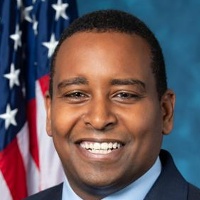
Joe Neguse
Representative
CO
Joe Neguse
Representative
CO
This constitutional amendment seeks to grant Congress and the states the authority to regulate contributions and expenditures in political campaigns. It specifically allows for the establishment of public financing systems to offset the influence of private money in elections. The amendment ensures that any regulations enacted must not infringe upon the freedom of the press.
This bill establishes a six-year pilot program for selected hospitals to provide medically tailored, home-delivered meals and nutrition therapy to high-risk Medicare patients upon discharge to reduce hospital readmissions.
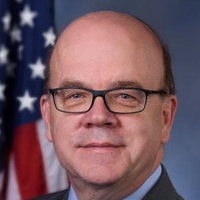
James McGovern
Representative
MA
James McGovern
Representative
MA
This bill establishes a six-year pilot program for hospitals to provide medically tailored, home-delivered meals and nutrition therapy to eligible Medicare patients upon discharge. The goal is to improve health outcomes and reduce hospital readmissions for individuals with diet-sensitive conditions who have difficulty with daily living activities. Participating hospitals will receive payment for these services, which must be provided at no out-of-pocket cost to the patient. The Secretary of Health and Human Services will evaluate the program's effectiveness using data collected from the participating sites.
This bill mandates that the Secretaries of HUD, Agriculture, and Veterans Affairs establish an agreement to share housing data and submit a joint report detailing plans for improved interagency coordination on housing programs.
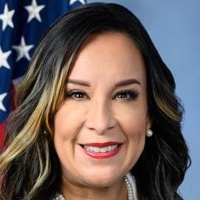
Mónica De La Cruz
Representative
TX
Mónica De La Cruz
Representative
TX
The HUD-USDA-VA Interagency Coordination Act mandates that the Departments of Housing and Urban Development, Agriculture, and Veterans Affairs formally agree to share relevant housing research and market data. This legislation requires the three agencies to submit a joint report to Congress detailing plans for improving interagency coordination on housing programs. Before submission, the proposed coordination plan must undergo a 30-day public review period.
This bill amends the Social Security Act to provide Medicare coverage for FDA-approved multi-cancer early detection screening tests starting in 2028.
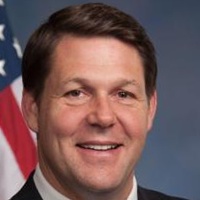
Jodey Arrington
Representative
TX
Jodey Arrington
Representative
TX
The Nancy Gardner Sewell Medicare Multi-Cancer Early Detection Screening Coverage Act amends the Social Security Act to provide Medicare Part B coverage for multi-cancer early detection screening tests starting January 1, 2028. This legislation establishes clear criteria for qualifying tests and outlines payment structures to ensure beneficiaries have access to these advanced diagnostic tools. Importantly, this coverage is designed to complement, rather than replace, existing Medicare-covered cancer screenings.