Legislative Activity
Track Eugene's sponsored bills, co-sponsored legislation, and voting record
This Act mandates that all states must operate the WIC program and guarantees necessary funding through permanent appropriation starting in fiscal year 2026.
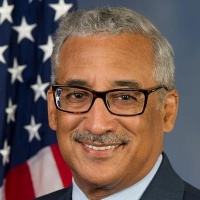
Robert Scott
Representative
VA
Robert Scott
Representative
VA
The WIC Benefits Protection Act mandates that all states must operate the Special Supplemental Nutrition Program for Women, Infants, and Children (WIC). This legislation also guarantees permanent, mandatory funding for WIC starting in fiscal year 2026, ensuring the program has the necessary resources annually. Furthermore, it clarifies eligibility language within the program's governing statute.
The PAVE Act mandates that Medicare cover and require the verification and evaluation of reported penicillin allergies during seniors' initial and annual wellness visits to improve patient outcomes and antibiotic stewardship.
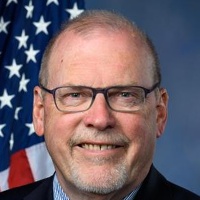
H. Griffith
Representative
VA
H. Griffith
Representative
VA
The Penicillin Allergy Verification and Evaluation (PAVE) Act addresses the widespread issue of inaccurate penicillin allergy labels, which often lead to poorer patient outcomes. This bill mandates that Medicare cover and require physicians to perform a formal penicillin allergy verification and evaluation for seniors during their initial and annual wellness visits. The goal is to correctly identify patients who can safely take penicillin, improving care and promoting responsible antibiotic stewardship.
This resolution condemns the October 7th Hamas attacks, demands the immediate and unconditional surrender of Hamas and the release of all hostages, and reaffirms support for Israel's right to self-defense while condemning global antisemitism.
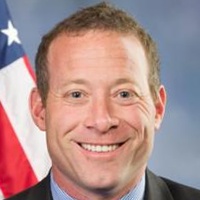
Josh Gottheimer
Representative
NJ
Josh Gottheimer
Representative
NJ
This resolution strongly condemns the brutal October 7th attacks by Hamas, demanding the immediate and unconditional surrender of the terrorist group and the release of all hostages, including Americans. It reaffirms Israel's right to self-defense while urging international action against Hamas and condemning the global surge in antisemitism. The measure serves as a formal statement of U.S. policy and support following the attacks.
The FAST Justice Act allows federal employees or job applicants to file a civil lawsuit in district court if the Merit Systems Protection Board (MSPB) fails to decide their appeal within 120 days.
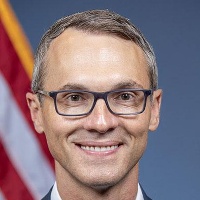
James Walkinshaw
Representative
VA
James Walkinshaw
Representative
VA
The Fair Access to Swift and Timely Justice Act, or FAST Justice Act, allows federal employees or job applicants to file a civil lawsuit in federal district court if the Merit Systems Protection Board (MSPB) fails to issue a decision on their appeal within 120 days. This provision provides an alternative remedy when the MSPB's review process causes undue delay. Filing a lawsuit pauses the MSPB appeal, but the original appeal rights remain intact if the lawsuit is dismissed.
This Act delays the effective date of any scheduled adjustment to the passenger rail liability cap until 90 days after public notice is given during the calendar year 2026.
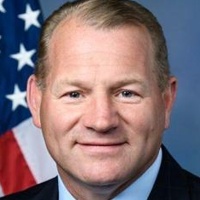
Troy Nehls
Representative
TX
Troy Nehls
Representative
TX
The Passenger Rail Liability Adjustment Act of 2025 modifies the effective date for scheduled adjustments to the liability cap for passenger rail services. Specifically, any liability cap change set to occur during calendar year 2026 will be delayed. The new cap amount will only take effect 90 days after the required public notice of the adjustment is officially issued.
This bill requires federal financial regulators to create and quickly disseminate guidance encouraging lenders to offer flexible, fair accommodations to consumers and businesses impacted by a government shutdown.
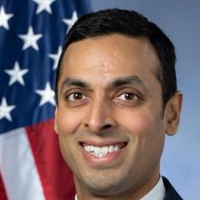
Suhas Subramanyam
Representative
VA
Suhas Subramanyam
Representative
VA
The Shutdown Guidance for Financial Institutions Act requires federal financial regulators to create and issue guidance for banks and lenders on how to support customers and businesses affected by a government shutdown. This guidance must encourage flexible loan adjustments and prevent unfair negative credit reporting for those experiencing income loss due to the lapse in funding. Regulators must also issue rapid alerts when a shutdown occurs and report on the effectiveness of the guidance afterward.
This bill allows federal contractors and affected government employees to make tax-advantaged retirement plan withdrawals during a government shutdown, with provisions for repayment within three years.
Suhas Subramanyam
Representative
VA
Suhas Subramanyam
Representative
VA
The Emergency Relief for Federal Contractors Act of 2025 allows individuals affected by a federal appropriations lapse to make tax-favored withdrawals of up to \$30,000 from their retirement plans without incurring early withdrawal penalties. These distributions can be repaid within three years and the taxable income can be spread over three years. This relief specifically targets furloughed federal contractors, grantee employees, and certain D.C. government workers impacted by shutdowns lasting two weeks or more.
This Act waives the 10% early withdrawal penalty on Thrift Savings Plan distributions up to $30,000 during a federal government shutdown and provides special provisions for TSP hardship withdrawals and loan payments affected by the lapse in appropriations.
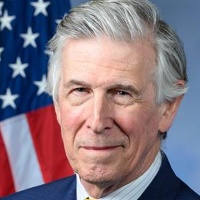
Donald Beyer
Representative
VA
Donald Beyer
Representative
VA
The Emergency Relief for Federal Workers Act of 2025 provides financial relief to federal employees affected by government shutdowns. This bill waives the 10% early withdrawal penalty on Thrift Savings Plan (TSP) distributions up to $30,000 during a qualifying shutdown. Additionally, it allows affected employees greater access to TSP hardship withdrawals and loans, and prevents missed TSP loan payments due to a shutdown from being treated as a taxable distribution.
This act expands physical therapists' participation in the National Health Service Corps loan repayment program and ensures Medicare coverage for their services at Rural Health Clinics and Federally Qualified Health Centers.

Diana DeGette
Representative
CO
Diana DeGette
Representative
CO
The Physical Therapist Workforce and Patient Access Act of 2025 aims to increase patient access to physical therapy, recognizing its importance in pain management and recovery. This bill integrates physical therapists into the National Health Service Corps, making them eligible for loan repayment in underserved areas. Furthermore, it mandates that Medicare Rural Health Clinics and Federally Qualified Health Centers cover physical therapy services starting in 2027.
The Trust Through Transparency Act of 2025 mandates body camera usage for immigration enforcement agents, establishes specific video retention schedules, and requires annual public reporting on compliance and disciplinary actions.
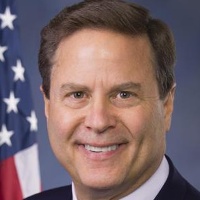
Donald Norcross
Representative
NJ
Donald Norcross
Representative
NJ
The Trust Through Transparency Act of 2025 mandates that federal immigration enforcement agents wear body cameras during public-facing duties. The bill establishes specific rules for retaining video footage, generally requiring deletion after six months unless exceptions like use of force or a filed complaint apply. Furthermore, it requires annual public reporting to Congress on compliance and establishes an advisory panel to recommend best practices for camera usage and data management.
This bill directs NASA and NOAA to expand civilian space cooperation with Taiwan and report annually to Congress on those efforts.

J. Hill
Representative
AR
J. Hill
Representative
AR
The Taiwan and American Space Assistance Act of 2025 directs NASA and NOAA to expand civilian space cooperation with Taiwan. This legislation mandates the initiation of discussions to collaborate on non-military space activities, including satellite programs and weather monitoring. The relevant agencies must report annually to Congress for five years on the progress and scope of this partnership.
This Act provides appropriations and mandates contract price adjustments to compensate federal contractor employees for losses incurred due to funding lapses or government shutdowns.
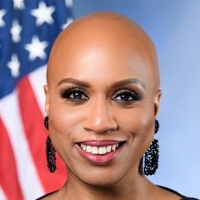
Ayanna Pressley
Representative
MA
Ayanna Pressley
Representative
MA
The Fair Pay for Federal Contractors Act of 2025 ensures that employees of federal contractors are compensated for losses incurred due to government funding lapses or shutdowns. It requires federal agencies to adjust existing contracts to cover reasonable costs associated with furloughs, pay cuts, or mandatory leave taken by contractor employees. The bill appropriates necessary funds to cover these contract price adjustments and mandates public reporting on the compensation provided.
This Act establishes grant programs to fund law enforcement efforts against online fentanyl sales, public awareness campaigns about fentanyl dangers, and protective equipment for officers.
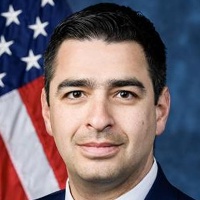
Gabe Evans
Representative
CO
Gabe Evans
Representative
CO
The Combatting Fentanyl Poisonings Act of 2025 establishes several new grant programs managed by the Attorney General to address the fentanyl crisis. These grants will fund local law enforcement efforts to stop social media drug sales, support non-profit organizations in running public awareness campaigns, and equip officers to safely handle fentanyl exposure. The Act specifically allocates funds for enforcement, education, and officer protection related to the dangers of fentanyl.
This bill ensures that essential, furloughed federal employees receive unemployment compensation during government shutdowns in fiscal years 2026 or 2027, with the federal government reimbursing states for all paid benefits and administrative costs.
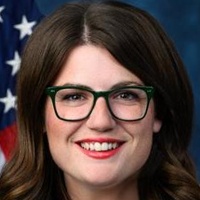
Sarah Elfreth
Representative
MD
Sarah Elfreth
Representative
MD
The Help Federal Employees During Shutdowns Act (Help FEDS Act) ensures that essential, non-paid federal employees working during a government shutdown can receive state unemployment compensation for the weeks they are actively working. This legislation mandates that the federal government fully reimburse states for all benefits paid out, plus administrative costs, directly from the Unemployment Trust Fund. Any employee who receives retroactive pay for a period they were also paid unemployment must repay those benefits to the state.
This act extends and increases funding for the Rural Economic Development Loan and Grant Program through 2030 to support rural community revitalization.
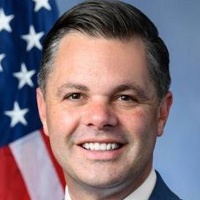
Zachary (Zach) Nunn
Representative
IA
Zachary (Zach) Nunn
Representative
IA
The Revitalizing Rural Communities Act of 2025 extends and increases funding for the Rural Economic Development Loan and Grant Program. This legislation boosts the annual allocation for the program from \$10 million to \$12 million. The increased funding is set to continue for fiscal years 2026 through 2030 to support rural economic growth.
The SPEED and Reliability Act of 2025 overhauls FERC permitting for major electric transmission lines to improve reliability, reduce bottlenecks, and ensure fair cost allocation to benefiting customers.

Scott Peters
Representative
CA
Scott Peters
Representative
CA
The SPEED and Reliability Act of 2025 overhauls the federal permitting process for major electric transmission lines managed by FERC. It establishes new criteria for approving projects that enhance national reliability, reduce bottlenecks, and benefit consumers. The bill mandates that FERC actively consider landowner input and ensures that project costs are fairly allocated only to the customers who benefit from the upgrades. Finally, it clarifies lead agency roles for federal approvals and sets deadlines for coordination.
The It’s About Time Act shifts the federal government's fiscal year from running October 1st–September 30th to running January 1st–December 31st, effective January 1, 2027.
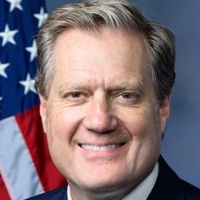
Michael Turner
Representative
OH
Michael Turner
Representative
OH
The It’s About Time Act changes the federal government's fiscal year to align with the calendar year, running from January 1st to December 31st, effective January 1, 2027. This legislation mandates the President to submit a budget for the transition period of October 1, 2026, through December 31, 2026. It also directs the OMB to establish rules for agency transitions and updates existing appropriation laws to reflect the new year-end date.
This Act mandates a three-notice system and public awareness campaign to ensure TRICARE beneficiaries are clearly informed about upcoming coverage transition requirements.
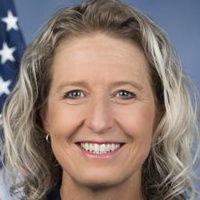
Jennifer Kiggans
Representative
VA
Jennifer Kiggans
Representative
VA
The TRICARE Transition Transparency Act of 2025 mandates that the Secretary of Defense provide TRICARE beneficiaries with proactive, multi-stage electronic notifications before coverage transition requirements take effect. This ensures beneficiaries are clearly informed about necessary actions, such as re-enrollment due to age limits. The Act also requires a public awareness campaign and annual reporting to Congress on the effectiveness of these notification efforts.
This bill prohibits the removal of Federal employees during a lapse in discretionary appropriations, ensuring job security for civil servants during government shutdowns.
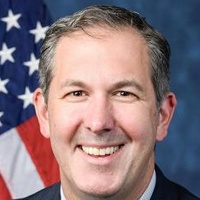
Johnny Olszewski
Representative
MD
Johnny Olszewski
Representative
MD
This bill prohibits federal agencies from removing civil service employees during any lapse in discretionary appropriations, commonly known as a government shutdown. If an employee is terminated in violation of this rule during a shutdown, they will have the option to be reinstated with full back pay once funding resumes. This measure aims to protect federal workers from job loss caused by budget impasses.
The Patients Deserve Price Tags Act mandates comprehensive price transparency for hospitals, labs, and ambulatory surgical centers, strengthens cost disclosure for health plans, and requires itemized billing and detailed Explanation of Benefits for patients.
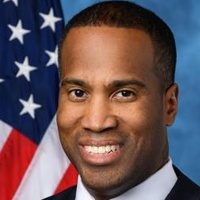
John James
Representative
MI
John James
Representative
MI
The Patients Deserve Price Tags Act aims to significantly increase healthcare price transparency across the board. It mandates that hospitals, clinical diagnostic laboratories, and ambulatory surgical centers must publicly post detailed, consumer-friendly pricing information, including negotiated rates and cash prices. Furthermore, the bill strengthens requirements for health plans to provide real-time cost-sharing estimates and mandates itemized Explanation of Benefits (EOBs) and itemized bills to consumers after receiving care. Finally, it increases fiduciary oversight by requiring group health plans to gain greater access to claims and payment data from their service providers.