Legislative Activity
Track Eugene's sponsored bills, co-sponsored legislation, and voting record
This Act establishes an interagency task force to combat foreign robocalls, modifies FCC review frequency, introduces a bond requirement for the Robocall Mitigation Database, and grants immunity for private efforts to trace unlawful robocall origins.
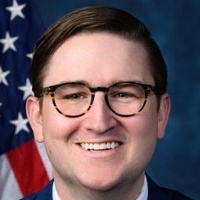
Addison McDowell
Representative
NC
Addison McDowell
Representative
NC
The Foreign Robocall Elimination Act establishes an interagency taskforce to study and recommend strategies for combating unlawful robocalls originating from outside the United States. It also grants the FCC authority to require providers to post a bond to ensure integrity in the Robocall Mitigation Database. Furthermore, the bill provides legal immunity for private consortiums tracing the origin of these illegal calls and allows for the publication of non-cooperative providers.
This bill mandates the revision of the Standard Occupational Classification system to establish a distinct code for Direct Support Professionals to better recognize their critical role in supporting individuals with disabilities.
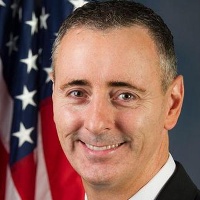
Brian Fitzpatrick
Representative
PA
Brian Fitzpatrick
Representative
PA
The Recognizing the Role of Direct Support Professionals Act aims to address the critical shortage and high turnover among Direct Support Professionals (DSPs) who assist individuals with intellectual and developmental disabilities. The bill mandates that the Office of Management and Budget review and revise the Standard Occupational Classification system to establish a distinct code for DSPs. This change will allow for more accurate labor market data collection to better support these essential workers. The Act does not authorize any new funding.
This Act updates and increases the dollar limits for multifamily loans under the National Housing Act and establishes a formula for future adjustments based on construction price indexes.
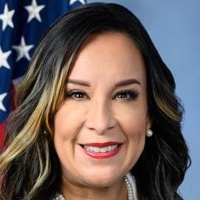
Mónica De La Cruz
Representative
TX
Mónica De La Cruz
Representative
TX
The Housing Affordability Act updates and significantly increases the dollar limits for federally insured multifamily housing loans under the National Housing Act. It establishes a new formula, based on the Price Deflator Index for Multifamily Residential Units, to automatically adjust these loan limits annually starting in 2026. This legislation aims to support the financing of more affordable multifamily housing projects by raising current statutory caps.
This act modernizes water infrastructure by defining and funding the adoption of intelligent technologies for improved water and wastewater management.
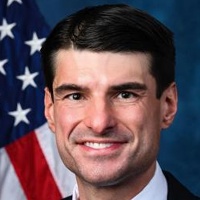
Robert Bresnahan
Representative
PA
Robert Bresnahan
Representative
PA
The Water Infrastructure Modernization Act of 2025 updates federal water pollution control grants to prioritize and fund "intelligent water infrastructure technology." This technology utilizes real-time monitoring, AI, and advanced sensors to improve the efficiency, reliability, and resilience of water and wastewater systems. The bill modifies grant uses to specifically cover the implementation of these smart technologies and increases the authorization of appropriations.
This Act establishes a pilot program for the joint deployment and demonstration of innovative wildfire prevention, detection, communication, response, and mitigation technologies through public-private partnerships.
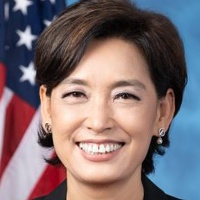
Young Kim
Representative
CA
Young Kim
Representative
CA
The Fire Innovation Unit Act establishes a pilot program for deploying and demonstrating new wildfire prevention, detection, communication, response, and mitigation technologies through public-private partnerships. The Secretaries of Agriculture and the Interior must create this program within one year to test innovations in areas like fuels reduction, modeling, and remote sensing. The goal is to evaluate promising technologies for effectiveness and scalability, coordinating testing between private entities and federal, state, and local fire agencies. The Secretaries will report annually to Congress on the program's progress and recommendations for broader technology adoption.
This act expands eligibility for certain USDA programs to include agricultural cooperatives with fewer than 2,500 employees.
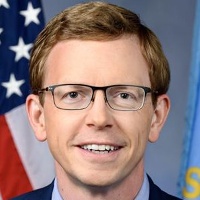
Dusty Johnson
Representative
SD
Dusty Johnson
Representative
SD
The Agricultural Cooperative Energy Savings Act of 2025 expands eligibility for certain USDA programs by including agricultural cooperatives with fewer than 2,500 employees. This amendment modifies the Farm Security and Rural Investment Act of 2002 to broaden access to these federal resources for a wider range of agricultural cooperatives.
This resolution supports the goals of National Rural Health Day by recognizing the vital role of rural communities and committing to policies that improve rural healthcare access and affordability.
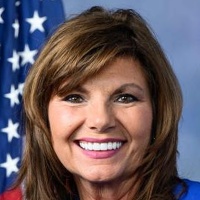
Diana Harshbarger
Representative
TN
Diana Harshbarger
Representative
TN
This resolution officially recognizes and supports the goals of National Rural Health Day to honor the vital role of rural communities and their healthcare providers. It acknowledges the unique challenges faced by rural residents, such as limited access to care and hospital closures. The bill expresses a commitment to advancing policies that improve the accessibility and affordability of healthcare in rural America.
The NEST Act establishes provisions for purchasing and distributing essential newborn supply kits to mothers and infants using reserved federal funds.

Julia Letlow
Representative
LA
Julia Letlow
Representative
LA
The Newborns Essentials Support Toolkit (NEST) Act establishes a program to purchase and distribute essential supply kits to mothers recovering from childbirth and their newborn infants. These kits will contain necessary supplies, educational materials on maternal health resources, and information on federal support programs. The legislation reserves federal funds from 2026 through 2030 to award grants to nonprofit entities for the nationwide distribution of these kits, prioritizing areas of greatest need.
This act repeals specific sections of a prior reconciliation act to restore previous laws affecting American families and farmers.
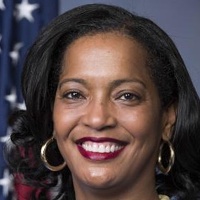
Jahana Hayes
Representative
CT
Jahana Hayes
Representative
CT
The Restoring Food Security for American Families and Farmers Act of 2025 aims to strengthen domestic food security by repealing specific sections of a prior reconciliation act. This action effectively revives the original laws that were previously amended by the repealed provisions. The bill seeks to revert existing agricultural and food-related statutes to their pre-amendment status.
The PILLAR Act reauthorizes and modifies the CISA State and Local Cybersecurity Grant Program, expanding its scope to include operational technology and AI systems, and updating funding and oversight requirements through 2033.
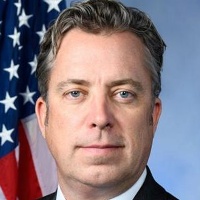
Andrew Ogles
Representative
TN
Andrew Ogles
Representative
TN
The PILLAR Act reauthorizes and modifies the CISA State and Local Cybersecurity Grant Program through 2033. This legislation expands the program's focus to explicitly include operational technology and artificial intelligence systems in cybersecurity planning. It also updates definitions, adjusts federal cost-sharing requirements, and restricts grant use for technology from foreign entities of concern.
The SEMI Investment Act expands and extends the advanced manufacturing investment tax credit to cover facilities producing semiconductors, semiconductor equipment, and a broad range of qualifying semiconductor materials.
Brian Fitzpatrick
Representative
PA
Brian Fitzpatrick
Representative
PA
The SEMI Investment Act amends the Internal Revenue Code to expand and extend the advanced manufacturing investment credit. This legislation redefines "advanced manufacturing facility" to explicitly include facilities producing semiconductors, semiconductor equipment, and a broad range of qualifying semiconductor materials. Crucially, the bill extends the availability period for this investment credit through the end of 2031.
This bill establishes a permanent Special Envoy for the Human Rights of LGBTQI+ Peoples within the Department of State to advance U.S. policy countering global criminalization, violence, and discrimination against LGBTQI+ individuals.
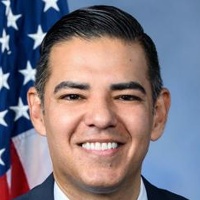
Robert Garcia
Representative
CA
Robert Garcia
Representative
CA
This bill, the International Human Rights Defense Act of 2025, establishes a permanent Special Envoy for the Human Rights of LGBTQI+ Peoples within the Department of State. It codifies U.S. policy to actively combat international criminalization, violence, and discrimination against LGBTQI+ individuals worldwide. The legislation also mandates enhanced reporting on these abuses in annual human rights reports and authorizes assistance to support related protection efforts abroad.
This bill ensures service in Female Cultural Support Teams is credited for military records and veterans benefits, while also modifying VA housing loan fee expiration dates.
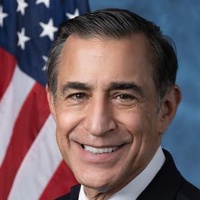
Darrell Issa
Representative
CA
Darrell Issa
Representative
CA
This bill ensures that service in specific Female Cultural Support Teams (CSTs) between 2010 and 2021 is officially recognized in military records and for veterans benefits. It mandates updating service records and requires the VA to treat this service as combat for disability claims purposes. Furthermore, the legislation requires the VA to conduct outreach regarding these benefits and mandates a study on similar unrecognized service.
This bill designates Farm Services Agency services as essential during government shutdowns to ensure continued support for rural communities.
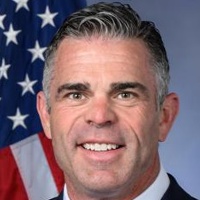
Tony Wied
Representative
WI
Tony Wied
Representative
WI
The Bringing Assistance for Rural Needs During Shutdowns Act designates services provided by the Farm Services Agency (FSA) as essential during a government shutdown. This ensures that FSA officers and employees can continue their work, recognizing their services as necessary for protecting human life and property.
This bill establishes a Veterans Bill of Rights detailing entitlements to fair treatment, comprehensive benefits information, quality healthcare access, and transparent claims processes from the Department of Veterans Affairs.
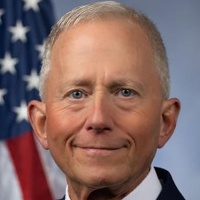
Jefferson Van Drew
Representative
NJ
Jefferson Van Drew
Representative
NJ
The Veterans Bill of Rights Act mandates that the Department of Veterans Affairs (VA) provide every veteran with a comprehensive, published Bill of Rights detailing their entitlements. This bill outlines specific rights regarding fair treatment, access to quality healthcare, privacy, and transparent claims processing. While establishing these standards, the Act explicitly states it does not create any new enforceable legal rights against the United States. The VA must also establish a public reporting mechanism for compliance and address veteran complaints within 30 days.
This bill mandates the VA to implement systems providing callers with estimated wait times and offering automated callbacks for waits exceeding ten minutes on most customer service lines.
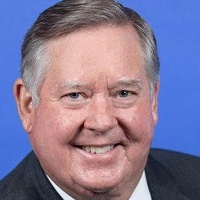
Ken Calvert
Representative
CA
Ken Calvert
Representative
CA
The Stuck On Hold Act mandates that the Department of Veterans Affairs (VA) implement automated systems to inform callers of their estimated wait times on customer service lines. If the wait exceeds ten minutes, callers must be offered an automated callback option. The VA is also required to issue guidance aimed at reducing average wait times to ten minutes or less.
This act mandates that all national cemeteries remain open to visitors on legal public holidays.
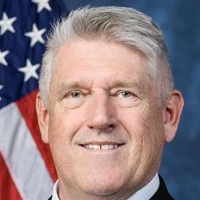
Troy Downing
Representative
MT
Troy Downing
Representative
MT
The National Cemetery Access Act mandates that all national cemeteries managed by the Department of Defense, the Department of Veterans Affairs, or the National Park Service must remain open to the public on all federal legal public holidays. This ensures continuous access for visitors to honor veterans and their families throughout the year.
This bill reauthorizes key programs under the North Korean Human Rights Act of 2004, strengthens efforts to promote human rights and freedom of information in North Korea, and addresses the urgent need for family reunions for divided Korean Americans.
Young Kim
Representative
CA
Young Kim
Representative
CA
The North Korean Human Rights Reauthorization Act of 2025 seeks to continue and strengthen U.S. efforts to promote human rights and democracy in North Korea. The bill reauthorizes key programs and emphasizes the need to increase the flow of outside information into the isolated nation. It also urges China to cease forcibly repatriating North Korean refugees and calls for prioritizing family reunions for divided Korean Americans. Finally, the Act establishes new reporting requirements concerning U.S. human rights activities related to North Korea.
This bill mandates the creation and sale of a special USPS stamp to raise funds for paying down veterans' medical debt owed to the VA.
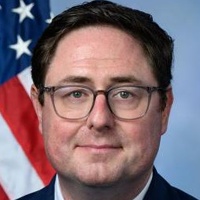
Mike Flood
Representative
NE
Mike Flood
Representative
NE
This bill mandates the U.S. Postal Service to create and sell a "Veterans Medical Debt Relief Stamp." All proceeds from the sale of this special stamp will be transferred directly to the Department of Veterans Affairs. The VA must then use these funds exclusively to pay down medical debt, including copayments and coinsurance, owed by veterans for VA and Community Care Program services.
This Act establishes new deadlines and waiver authorities for the VA to collect copayments from veterans when billing notification is delayed due to VA error.
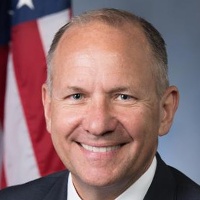
Lloyd Smucker
Representative
PA
Lloyd Smucker
Representative
PA
The VA Billing Accountability Act establishes new deadlines and procedures for the Department of Veterans Affairs (VA) to notify veterans about copayments for medical care and services. If the VA fails to notify a veteran within specified timeframes (180 days for VA care or 18 months for non-VA care), the bill restricts the VA's ability to collect that payment. The Act also grants the VA Secretary temporary authority to waive copayments resulting from VA billing errors.