Legislative Activity
Track Eugene's sponsored bills, co-sponsored legislation, and voting record
This act establishes grant programs to fund the planning and development of new physician residency training programs specifically located in rural areas.
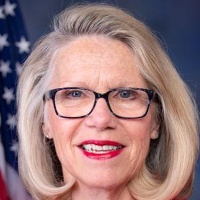
Carol Miller
Representative
WV
Carol Miller
Representative
WV
The Rural Residency Planning and Development Act of 2025 establishes new grant programs to boost physician training in underserved areas. These programs will fund the creation of new rural residency programs and provide technical assistance to applicants and current grantees. The goal is to increase the number of physicians practicing in rural communities across primary care, high-need specialties, and maternal health.
This act mandates the continued implementation of anti-trafficking programs for children based on specific GAO recommendations and requires a progress report to Congress.
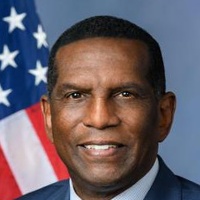
Clarence Owens
Representative
UT
Clarence Owens
Representative
UT
The Preventing Child Trafficking Act of 2025 mandates the continuation and enhancement of federal anti-trafficking programs specifically for children. This law requires key Justice Department and Health and Human Services offices to implement recommendations from a 2023 Government Accountability Office report. Furthermore, the responsible office must establish measurable performance goals for these programs and report on their progress to Congress.
This Act establishes a multi-agency Task Force to develop and implement a comprehensive strategy to dismantle transnational criminal syndicates operating forced-labor scam centers, particularly those targeting Americans with cryptocurrency fraud.
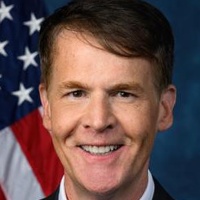
Jefferson Shreve
Representative
IN
Jefferson Shreve
Representative
IN
The Dismantle Foreign Scam Syndicates Act establishes a high-level Task Force, chaired by the Secretary of State, to develop and execute a comprehensive U.S. strategy against transnational criminal organizations running massive online scams, often utilizing victims of human trafficking in Southeast Asia. This strategy must focus on disrupting these operations, sanctioning responsible parties, and providing support for rescued victims. The bill authorizes $30 million over two years to fund these efforts and requires annual reporting to Congress on progress and impact.
This Act establishes rules and procedures for deploying telecommunications and broadband facilities in public and railroad rights-of-way, including application requirements, timelines, and dispute resolution via the FCC.
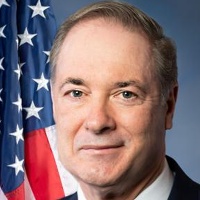
John Joyce
Representative
PA
John Joyce
Representative
PA
The Broadband and Telecommunications RAIL Act establishes new rules for deploying telecommunications and broadband facilities within public rights-of-way that cross railroad corridors, as well as directly within railroad rights-of-way. It outlines specific notification and application procedures, decision timelines for railroad carriers, and compensation requirements for application processing. The Act grants the Federal Communications Commission sole jurisdiction to resolve disputes between providers and railroads regarding facility placement and mandates rulemaking to ensure safety and efficiency.
This bill establishes grant programs to fund and expand accredited midwifery and nurse-midwifery education, prioritizing support for students serving in shortage areas and from rural or disadvantaged communities.
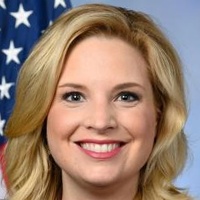
Ashley Hinson
Representative
IA
Ashley Hinson
Representative
IA
The Midwives for MOMS Act of 2025 establishes new grant programs to strengthen the maternity care workforce by supporting the education and training of midwives and nurse-midwives. These grants will fund student support, the expansion of accredited educational programs, and the recruitment of clinical preceptors. Priority will be given to institutions that commit to training providers who will practice in designated health professional shortage areas, particularly in rural and economically disadvantaged communities.
This act establishes the Rural Communities Opioid Response Program to fund prevention, treatment, and recovery services for substance use disorders in rural areas.
Carol Miller
Representative
WV
Carol Miller
Representative
WV
The RCORP Authorization Act establishes the Rural Communities Opioid Response Program within HRSA to combat substance use disorders in rural areas. This program authorizes grants to eligible entities for expanding prevention, treatment, and recovery services. The legislation allocates $165 million annually from fiscal years 2026 through 2030 to support these critical community efforts.
This Act expands the definition of homelessness, mandates public reporting of data, and modifies program requirements under the McKinney-Vento Homeless Assistance Act to better serve homeless children and youth.
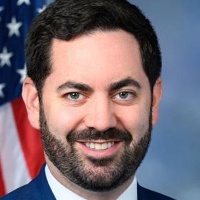
Michael Lawler
Representative
NY
Michael Lawler
Representative
NY
The Homeless Children and Youth Act of 2025 significantly amends the McKinney-Vento Homeless Assistance Act to broaden the definition of homelessness, particularly for children and youth. It mandates increased public reporting of homelessness data through required HMIS disclosures by HUD. Furthermore, the bill modifies grant scoring criteria and planning requirements to better ensure services reach vulnerable populations and align with local needs.
This Act officially recognizes the installation of mechanical insulation in federal buildings as a qualifying energy or water efficiency measure.
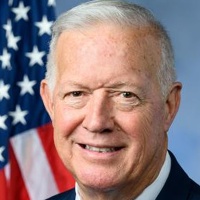
Randy Weber
Representative
TX
Randy Weber
Representative
TX
The Federal Mechanical Insulation Act officially recognizes the installation of mechanical insulation in federal buildings as a qualifying energy or water efficiency measure. This legislation defines compliant mechanical insulation as meeting or exceeding ASHRAE Standard 90.1 requirements and resulting in energy loss reduction. Furthermore, the Act mandates that comprehensive evaluations of federal buildings must identify these specific energy and water-saving insulation opportunities.
This act rescinds significant immigration enforcement funding while establishing multiple new tax credits aimed at increasing housing affordability for first-time buyers, builders of starter homes, and renters, alongside incentives for converting commercial buildings into affordable housing.
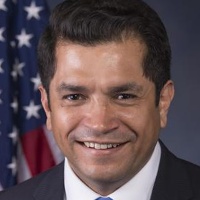
Jimmy Gomez
Representative
CA
Jimmy Gomez
Representative
CA
The Make Housing Affordable and Defend Democracy Act aims to increase housing accessibility through several tax incentives while simultaneously rescinding significant funding previously allocated for immigration enforcement. Key provisions establish new tax credits for first-time homebuyers, builders of starter homes, and the conversion of commercial buildings into affordable rentals. Additionally, the bill introduces a Renter Tax Credit for those spending over 30% of their income on rent, with an option for monthly advance payments.
This Act mandates reports on Houthi indoctrination, humanitarian aid obstruction, and human rights abuses, while authorizing sanctions against Houthi members involved in these activities.
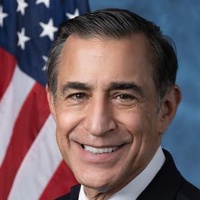
Darrell Issa
Representative
CA
Darrell Issa
Representative
CA
The Houthi Human Rights Accountability Act aims to counter the Houthis' extremist indoctrination and regional destabilization efforts by requiring comprehensive reports on their abuses and interference with humanitarian aid. The bill mandates annual reviews to determine if Houthi members are eligible for sanctions under existing U.S. laws for human rights violations or hostage-taking. This legislation will remain in effect for five years unless extended by Congress.
This Act establishes the Independence Investment Fund to invest in U.S. critical technology companies to counter adversarial foreign investments and strengthen national security.
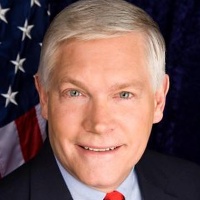
Pete Sessions
Representative
TX
Pete Sessions
Representative
TX
The Independence Investment Fund Act establishes a $\$5$ billion Treasury-managed fund to make equity and debt investments in U.S. companies developing critical and emerging technologies. This initiative aims to strengthen national security by countering adversarial foreign investments, particularly in sectors like biotechnology. The Fund will operate for 10 years under the oversight of an independent managing entity and requires regular reporting to Congress on its performance and objectives.
This act mandates stuttering screening for children aged two and older in Medicaid and CHIP, and requires coverage for stuttering treatment services under both programs with parity to other speech disorders.
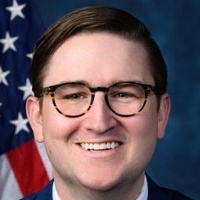
Addison McDowell
Representative
NC
Addison McDowell
Representative
NC
The Kidd's Stuttering Act aims to address childhood stuttering by expanding screening and coverage under Medicaid and CHIP. This legislation mandates the inclusion of stuttering screening in child health quality measures and requires its inclusion in Medicaid well-child visits starting in 2027. Furthermore, the Act ensures that treatment for stuttering is a mandatory Medicaid and CHIP benefit, requiring parity in treatment limitations compared to other speech disorders.
This bill mandates the Social Security Administration to update its terminology regarding retirement ages and benefits within one year of enactment or by January 1, 2027.
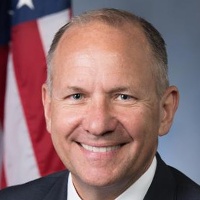
Lloyd Smucker
Representative
PA
Lloyd Smucker
Representative
PA
The Claiming Age Clarity Act mandates that the Social Security Administration update its official terminology to provide clearer language regarding benefit claiming ages. This legislation replaces terms like "early eligibility age" and "full retirement age" with "minimum monthly benefit age" and "standard monthly benefit age," respectively. These changes must be implemented within 12 months of enactment or by January 1, 2027, whichever is later.
The Mikaela Naylon Give Kids a Chance Act primarily focuses on enhancing pediatric drug research, ensuring completion of pediatric study requirements, extending incentives for rare pediatric disease treatments, and making targeted updates to FDA and organ transplant network operations.
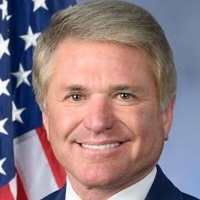
Michael McCaul
Representative
TX
Michael McCaul
Representative
TX
The Mikaela Naylon Give Kids a Chance Act focuses primarily on improving pediatric drug development and ensuring patient access to necessary treatments. This legislation mandates new research requirements for molecularly targeted pediatric cancer drugs, strengthens FDA enforcement of pediatric study completion, and extends incentives for developing drugs for rare pediatric diseases. Additionally, the bill updates organ transplant network functions and establishes an Abraham Accords Office within the FDA to enhance international regulatory cooperation.
This bill extends the statute of limitations to 10 years for prosecuting fraud related to the Shuttered Venue Operator and Restaurant Revitalization Grant programs.
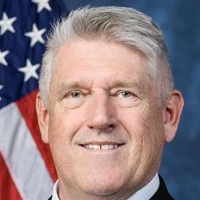
Troy Downing
Representative
MT
Troy Downing
Representative
MT
The SBA Fraud Enforcement Extension Act amends existing law to extend the statute of limitations for fraud-related crimes concerning the Shuttered Venue Operator Grant and Restaurant Revitalization Grant programs. This legislation establishes a 10-year window for filing criminal prosecutions or civil enforcement actions related to fraud and false claims for these COVID-19 relief funds.
This resolution recognizes the Ukrainian famine of 1932-1933, the Holodomor, as a genocide engineered by the Soviet Union and condemns current Russian aggression against Ukraine.
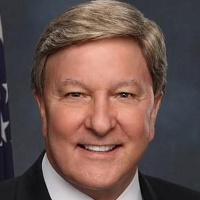
Mike Rogers
Representative
AL
Mike Rogers
Representative
AL
This resolution expresses the sense of the House of Representatives recognizing the Ukrainian famine of 1932-1933, known as the Holodomor, as a genocide perpetrated by the Soviet Union. It condemns the systematic starvation and repression of the Ukrainian people under Soviet rule. Furthermore, the resolution remembers the victims and encourages the dissemination of information about this historical tragedy.
This Act establishes a Federal Trade Commission-led national campaign to promote best practices and education for minors' online safety and requires annual reporting on these efforts.
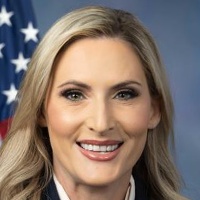
Laurel Lee
Representative
FL
Laurel Lee
Representative
FL
The Promoting a Safe Internet for Minors Act establishes a nationwide public awareness and education campaign, led by the Federal Trade Commission, to promote the safe use of the internet by minors. This initiative requires collaboration with various partners to identify and promote best practices for online safety. Furthermore, the FTC must submit annual reports detailing the campaign's activities for ten years.
This bill updates the federal definition of a manufactured home to include those built without a permanent chassis, establishes new construction standards, and requires states to grant these homes legal parity with traditional manufactured homes.
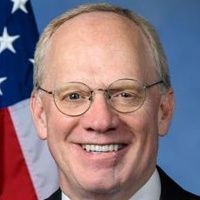
John Rose
Representative
TN
John Rose
Representative
TN
The Housing Supply Expansion Act of 2025 updates the federal definition of a manufactured home to include those built without a permanent chassis. It mandates new HUD safety standards and requires states to certify that their laws treat these homes equally to traditionally built manufactured homes. Failure to certify will result in a state prohibition on the sale or installation of these newly defined homes.
This bill directs the FTC to study the social media use, data collection, and mental health effects on teenagers and report findings to Congress.
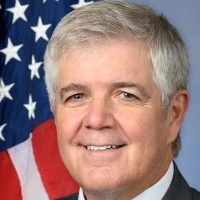
Cliff Bentz
Representative
OR
Cliff Bentz
Representative
OR
The Safe Social Media Act mandates that the Federal Trade Commission (FTC), in collaboration with the Department of Health and Human Services, conduct a comprehensive study on the social media usage habits and associated mental health effects among individuals under 17. This study must detail the personal information collected by platforms, how algorithms use that data, and the impact of targeted advertising. The FTC is required to submit a final report to Congress, including any recommended policy changes, within three years of the Act's enactment.
This bill caps patient cost-sharing for selected insulin products at the lesser of \$35 or 25% of the negotiated price, effective for plan years beginning in 2026.
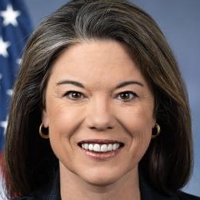
Angie Craig
Representative
MN
Angie Craig
Representative
MN
The Affordable Insulin Now Act establishes new cost-sharing limits for certain insulin products in health plans starting in 2026. For selected insulin, patients will pay no more than the lesser of \$35 or 25% of the negotiated price for a 30-day supply. These patient payments must count toward the annual deductible and out-of-pocket maximum. The requirements apply across various federal health plan laws, though they generally do not apply to out-of-network pharmacies.