Legislative Activity
Track Eugene's sponsored bills, co-sponsored legislation, and voting record
The American Affordability Act of 2025 is a comprehensive bill designed to lower costs for families through expanded housing assistance, clean energy tax credits, monthly child payments, education relief, and enhanced healthcare subsidies.
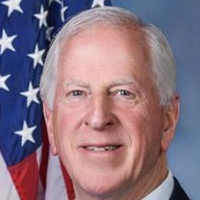
Mike Thompson
Representative
CA
Mike Thompson
Representative
CA
The American Affordability Act of 2025 is a comprehensive bill designed to lower costs across five key areas: housing, energy, family care, education, and healthcare. It achieves this by expanding tax credits for housing construction and homebuyers, extending incentives for clean energy manufacturing and consumer adoption, replacing the Child Tax Credit with larger monthly payments, making higher education expenses more affordable, and permanently expanding subsidies to lower health insurance premiums for millions. Overall, the legislation aims to provide direct financial relief and increase access to essential services for American families and workers.
This bill establishes a federal multi-agency task force to combat the illegal importation, distribution, and sale of e-cigarettes.
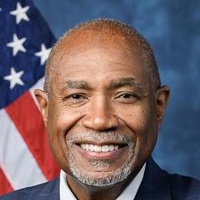
Herbert Conaway
Representative
NJ
Herbert Conaway
Representative
NJ
The S.T.O.P. Illicit Vapes Act establishes a high-level, multi-agency federal task force to combat the illegal importation, distribution, and sale of unauthorized e-cigarettes. Co-chaired by the Attorney General and the Secretary of Health and Human Services, this group will coordinate enforcement strategies and share information. The task force is required to meet regularly and submit detailed semi-annual reports to Congress outlining enforcement actions and recommendations for new legal authorities.
This bill establishes an annual preventative health evaluation for veterans with spinal cord injuries or disorders to assess their needs, including access to new assistive technologies like spinal cord neuromodulation.
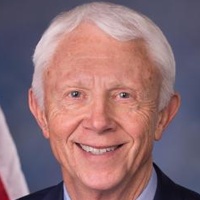
Jack Bergman
Representative
MI
Jack Bergman
Representative
MI
The Veterans Spinal Trauma Access to New Devices (STAND) Act mandates an annual preventative health evaluation for veterans with spinal cord injuries or disorders. This comprehensive assessment will cover risks, pain management, nutrition, and the need for advanced assistive technologies, including neuromodulation devices. The VA is required to consult with specialists and manufacturers when developing implementation guidelines. Furthermore, the Secretary must report biennially to Congress on the utilization and outcomes of these evaluations and assistive technologies.
Alyssa's Act of 2025 establishes grants for schools to create emergency response maps and master plans for school shooting prevention, while also expanding the Federal Clearinghouse on School Safety to enhance resources, technology development, and data collection.
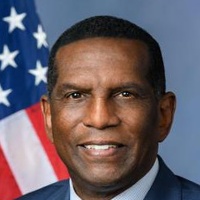
Clarence Owens
Representative
UT
Clarence Owens
Representative
UT
Alyssa's Act of 2025 establishes a grant program to help schools develop emergency response maps and comprehensive master plans for preventing and responding to school shootings. The bill also significantly expands the Federal Clearinghouse on School Safety Evidence-based Practices to enhance research, technical assistance, and the development of new safety technologies like panic alarms. Furthermore, it mandates the creation of a National School Safety Data Center to analyze nationwide school safety issues and trends. Finally, the Act sets technical standards for federally funded emergency response maps and requires ongoing reporting on national planning efforts.
This act mandates a study on the potential impact of a Federal uniform residential building code on construction time, costs, and housing quality.
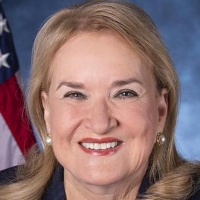
Sylvia Garcia
Representative
TX
Sylvia Garcia
Representative
TX
The Affordable Housing Through Common-Sense Standards Act mandates a study by the Comptroller General on the effects of establishing a Federal uniform residential building code. This study will analyze the potential for such a code to lower construction costs, speed up local approval times, and improve the quality and affordability of housing nationwide. A report detailing these findings must be submitted to Congress within one year.
The Whistleblower Protection Act of 2025 extends federal anti-retaliation protections to all employees working under Department of Housing and Urban Development contracts, grants, and subgrants.
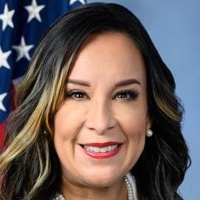
Mónica De La Cruz
Representative
TX
Mónica De La Cruz
Representative
TX
The Whistleblower Protection Act of 2025 extends critical anti-retaliation safeguards to employees working under Department of Housing and Urban Development (HUD) contracts and grants. This legislation ensures that individuals who report waste, fraud, or abuse involving HUD funds are protected from reprisal, regardless of when their contract was executed.
This act modernizes USDA loan eligibility for real estate, operating, and emergency loans by clarifying ownership percentage requirements and creating special provisions for qualified and complex operating entities.
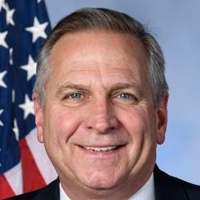
Mike Bost
Representative
IL
Mike Bost
Representative
IL
The USDA Loan Modernization Act updates eligibility requirements for various USDA farm loans, including real estate, operating, and emergency loans. The bill standardizes ownership requirements across these programs, generally replacing "a majority" interest with a clear "at least a 50 percent" ownership threshold. It also introduces new provisions to accommodate complex business structures and recognizes "qualified operators" as automatically meeting certain criteria.
This bill establishes a digital system for military beneficiaries to file and track complaints about access to care at military medical facilities and mandates an annual report analyzing these issues.
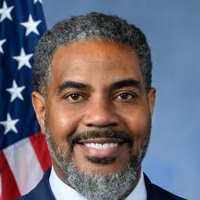
Steven Horsford
Representative
NV
Steven Horsford
Representative
NV
The Military CARE Act establishes a digital system for military beneficiaries to easily file and track complaints regarding access to care at military medical facilities. It mandates the creation of an annual report analyzing these complaints to identify trends and inform improvements. This aims to enhance transparency and accountability in military healthcare access.
The Connecting Caregivers to Medicare Act of 2025 mandates expanded outreach and education to help Medicare beneficiaries authorize family caregivers to access their health information through 1-800-MEDICARE while implementing robust fraud protection measures.
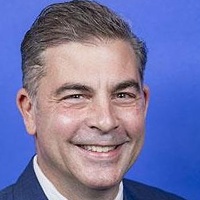
Mike Carey
Representative
OH
Mike Carey
Representative
OH
The Connecting Caregivers to Medicare Act of 2025 mandates that the Department of Health and Human Services conduct widespread outreach to educate Medicare beneficiaries on how to authorize family caregivers to access their personal health information via 1-800-MEDICARE. The bill requires the integration of this authorization process into official Medicare resources and mandates the development of new fraud protection best practices to ensure beneficiary security. By streamlining access and providing clear guidance, this legislation aims to better support caregivers while safeguarding sensitive health data.
The UPLIFT Act establishes a refundable residential energy expenditure tax credit of up to \$2,400, available only when annual energy price inflation exceeds 2%.
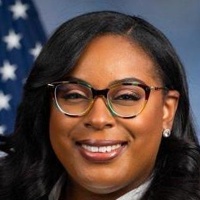
LaMonica McIver
Representative
NJ
LaMonica McIver
Representative
NJ
The UPLIFT Act establishes a new, refundable residential energy tax credit for taxpayers facing significant increases in electricity, natural gas, or propane costs. This credit, capped at \$1,200 or \$2,400 for joint filers, is only available when energy price inflation exceeds 2% year-over-year. The benefit is subject to an income-based phase-out for higher-earning households.
The Essential Caregivers Act of 2025 guarantees nursing home and long-term care residents the right to designate an essential caregiver who maintains access to them even during public health emergencies.
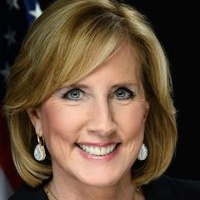
Claudia Tenney
Representative
NY
Claudia Tenney
Representative
NY
The Essential Caregivers Act of 2025 protects the rights of residents in long-term care facilities to designate an essential caregiver who can provide support and companionship. This legislation ensures that these caregivers maintain in-person access to residents even during public health emergencies when general visitation is restricted. By establishing clear protocols and an appeals process, the bill aims to prevent the harmful effects of isolation and ensure residents continue to receive vital care and advocacy.
This bill establishes the Automatic IRA Act of 2025, mandating employers to implement automatic contribution retirement plans or arrangements, such as automatic IRAs, and provides tax credits for small employers who adopt them.
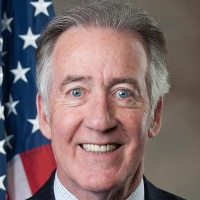
Richard Neal
Representative
MA
Richard Neal
Representative
MA
The Automatic IRA Act of 2025 establishes mandatory automatic enrollment retirement savings plans, referred to as "automatic contribution plans or arrangements," for many employers. These plans require employers to automatically enroll employees into a defined contribution plan or an Automatic IRA arrangement, with escalating default contribution rates unless the employee opts out. The bill also creates an excise tax for employers who fail to maintain these required arrangements and offers a tax credit to small employers starting these programs. Finally, it preempts state laws that would otherwise prohibit or restrict these federally defined automatic IRA arrangements.
This bill establishes the Professional Student Degree Act to define "professional degree" for student loan purposes, including specific advanced degrees required for professional practice.
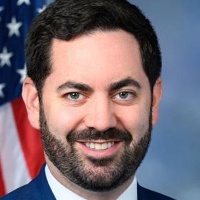
Michael Lawler
Representative
NY
Michael Lawler
Representative
NY
The Professional Student Degree Act seeks to amend the Higher Education Act by formally defining what constitutes a "professional degree" for student loan purposes. This definition specifies degrees that prepare students to immediately begin practicing in a profession and require a skill level beyond a standard bachelor's degree. The bill explicitly lists numerous professional degrees, such as Law, Medicine, and specialized health fields, under this new classification.
This bill authorizes Congress to award Congressional Gold Medals to the 1980 U.S. Men's Olympic Ice Hockey team for their historic "Miracle on Ice" victory.
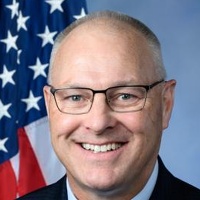
Pete Stauber
Representative
MN
Pete Stauber
Representative
MN
This bill, the Miracle on Ice Congressional Gold Medal Act, officially authorizes Congress to award Congressional Gold Medals to the 1980 U.S. Men's Olympic Ice Hockey Team for their historic "Miracle on Ice" victory. The medals will be struck by the Treasury and permanently displayed at specific national sports museums. The Act also permits the sale of duplicate bronze medals to cover production costs.
This act nullifies a recent Executive Order regarding federal labor relations and ensures existing collective bargaining agreements remain in effect.
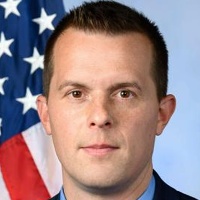
Jared Golden
Representative
ME
Jared Golden
Representative
ME
The Protect America's Workforce Act nullifies a specific Executive Order issued in March 2025 concerning exclusions from federal labor-management relations programs. This legislation ensures that any existing collective bargaining agreements between federal agencies and employee unions remain fully in effect until their stated expiration dates. The Act also prohibits the use of federal funds to implement the overturned Executive Order.
The Keeping All Students Safe Act strictly prohibits dangerous restraint and seclusion in federally funded schools while mandating comprehensive state reporting, staff training, and parental notification for any permissible physical restraint.
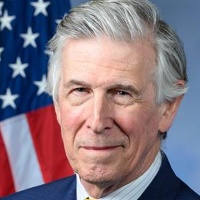
Donald Beyer
Representative
VA
Donald Beyer
Representative
VA
The Keeping All Students Safe Act strictly prohibits dangerous restraint and seclusion practices in federally funded schools, establishing national safety standards and requiring immediate parental notification after any restraint incident. It mandates that states create detailed plans, publicly report incident data broken down by student demographics, and utilize federal grants to fund training and prevention strategies. The bill creates a private right of action for families harmed by violations and ensures oversight across various federal school systems.
This bill mandates enhanced transparency for college costs and financial aid through detailed updates to the College Scorecard and the creation of a Universal Net Price Calculator.
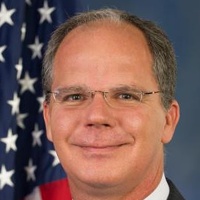
Brett Guthrie
Representative
KY
Brett Guthrie
Representative
KY
The Student Financial Clarity Act of 2025 aims to significantly increase transparency in college costs for students and families. It mandates major enhancements to the College Scorecard website with detailed, disaggregated data on costs, aid, and outcomes for every program of study. The bill also establishes a Universal Net Price Calculator to provide personalized, comparable cost estimates across institutions. These changes will require colleges to report costs based on specific programs rather than a single institutional average, with an effective date of July 1, 2027.
This act establishes a grant program to help state, local, territorial, and tribal governments hire, retain, and train prosecutors and support staff.
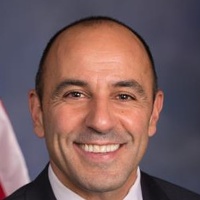
Jimmy Panetta
Representative
CA
Jimmy Panetta
Representative
CA
The Helping Improve Recruitment and Retention Efforts for Prosecutors Act of 2025 establishes a federal grant program to assist state, local, territorial, and tribal governments in hiring, retaining, and training prosecutors and support staff. Administered by the Attorney General, the program will award competitive grants, prioritizing offices in underserved or budget-impacted areas. This initiative is authorized with $10 million annually from 2026 through 2030, requiring a 25% non-federal match unless waived.
This act establishes a five-year pilot program for federal grants to public schools to fund independent security risk assessments and implement necessary hard security improvements.
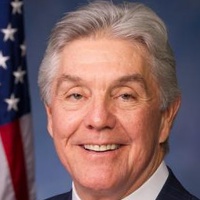
Roger Williams
Representative
TX
Roger Williams
Representative
TX
The Safer Schools Act of 2025 establishes a five-year pilot program managed by the Attorney General to award grants to public schools for security enhancements. These grants fund independent facility security risk assessments and "hard security improvements," such as physical infrastructure upgrades. Priority is given to schools that have experienced past incidents of deadly harm, and recipients must report on the effectiveness of the improvements.
This act restores access to professional degrees by amending the Higher Education Act to remove specific annual and aggregate loan limits for graduate and professional students.
Ritchie Torres
Representative
NY
Ritchie Torres
Representative
NY
The Professional Degree Access Restoration Act amends the Higher Education Act to eliminate specific annual and aggregate loan limits for Federal Direct PLUS Loans made to graduate and professional students. This action removes previous restrictions on the maximum amount graduate students can borrow through these federal loan programs.