Legislative Activity
Track Eugene's sponsored bills, co-sponsored legislation, and voting record
This Act mandates an annual report detailing China's advanced artificial intelligence capabilities, supply chains, and the effectiveness of U.S. export controls.
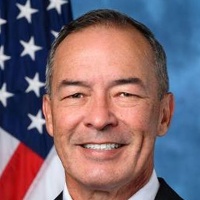
James (Jim) Moylan
Representative
GU
James (Jim) Moylan
Representative
GU
The China AI Power Report Act mandates the Secretary of Commerce to deliver an annual, detailed report to Congress for three years assessing China's advanced artificial intelligence capabilities and supply chains. This legislation emphasizes the need for dynamic U.S. export controls to counter China's evolving technological advancements and protect national security. The comprehensive report must cover everything from advanced AI chips and fabrication facilities to AI models, funding, and the effectiveness of current U.S. restrictions.
This Act requires the Secretary of State to report on the treatment of ethnic minorities, particularly Albanians in the Preshevo Valley, by the Serbian government.
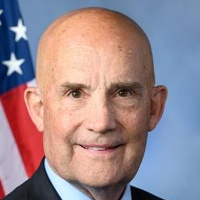
Keith Self
Representative
TX
Keith Self
Representative
TX
This Act mandates the Secretary of State to produce a comprehensive report detailing the treatment of ethnic minorities, particularly Albanians in the Preshevo Valley, within Serbia. The report must specifically investigate issues such as the denial of basic rights through residence deactivation and discrimination in public services and education. This assessment aims to shed light on potential systemic challenges faced by these minority groups.
This bill modifies the Small Business Investment Act to change the eligibility criteria for business facility acquisition, construction, conversion, or expansion loans.
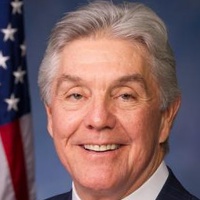
Roger Williams
Representative
TX
Roger Williams
Representative
TX
The Main Street Parity Act modifies the criteria for Small Business Investment Act loans used for acquiring, building, or expanding business facilities. Specifically, it removes certain restrictive clauses related to facility loan eligibility under Section 502(3)(C). This aims to streamline or broaden the requirements for small businesses seeking capital for physical expansion.
This bill redirects federal enforcement funding to significantly increase resources for local police departments through the COPS Hiring Program and the Byrne JAG Program.
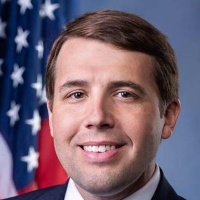
Chris Pappas
Representative
NH
Chris Pappas
Representative
NH
This bill, the PUBLIC SAFETY Act, redirects $2 billion from U.S. Immigration and Customs Enforcement (ICE) to significantly boost the COPS Hiring Program to support local law enforcement. It also allocates an additional $45 billion to the Edward Byrne Memorial Justice Assistance Grant (JAG) Program for local criminal justice initiatives. The legislation aims to increase federal funding available directly to local police departments for hiring and operations.
This act establishes national security priorities within the USDA, mandates a Senior Advisor for National Security, and requires regular reports to Congress on vulnerabilities in the food and agriculture sector.
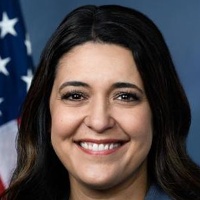
Stephanie Bice
Representative
OK
Stephanie Bice
Representative
OK
The Agriculture and National Security Act of 2026 formally recognizes food and agriculture as critical to national security. This bill establishes a Senior Advisor for National Security within the USDA to prioritize national security concerns alongside homeland security. It also mandates regular reporting to Congress on identified vulnerabilities, such as foreign influence and data control, and authorizes personnel exchanges with key defense and intelligence agencies.
This Act mandates that newly elected House members from special elections must be sworn in within five legislative days of their election certification.
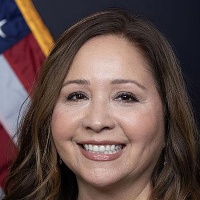
Adelita Grijalva
Representative
AZ
Adelita Grijalva
Representative
AZ
The No Delay in Representation Act ensures that individuals elected to the House of Representatives through special elections are seated promptly. It mandates that these new members must be given the opportunity to take the oath of office within five legislative days of their election certification. This act aims to prevent delays in representation for newly elected members.
This bill impeaches Secretary of Homeland Security Kristi Lynn Arnold Noem for high crimes and misdemeanors, citing willful refusal to comply with oversight law, violating the Impoundment Control Act, directing unlawful ICE misconduct, and misusing federal funds for personal gain.
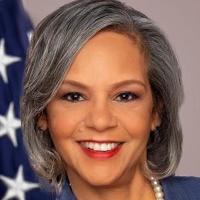
Robin Kelly
Representative
IL
Robin Kelly
Representative
IL
This resolution initiates impeachment proceedings against Secretary of Homeland Security Kristi Lynn Arnold Noem for high crimes and misdemeanors. The articles of impeachment charge her with willfully refusing to comply with Congressional oversight laws and violating the Impoundment Control Act by improperly withholding funds. Further articles allege she directed widespread misconduct by ICE agents that violated federal law and constitutional rights, and misused taxpayer funds for personal gain through improper contracting.
This act establishes a refundable tax credit for individuals to offset high home energy costs exceeding 3% of their income, up to a maximum of \$1,500 annually.
Chris Pappas
Representative
NH
Chris Pappas
Representative
NH
This bill establishes the **Energy Burden Tax Credit Act** to provide financial relief to individuals facing high home energy costs. The credit covers 75% of a taxpayer's annual fuel or electricity expenses that exceed 3% of their modified adjusted gross income, up to a maximum of \$1,500. This temporary credit is available for tax years beginning after 2024 and before 2028, and is limited to taxpayers with modified adjusted gross incomes of \$75,000 or less.
This bill prohibits the use of federal funds to support Venezuela's oil and petroleum infrastructure and requires an annual report from the Secretary of State on compliance.
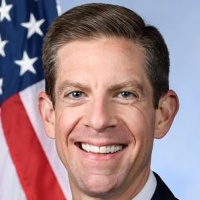
Mike Levin
Representative
CA
Mike Levin
Representative
CA
This bill prohibits the use of any federal funds to support, finance, or insure Venezuela's oil and petroleum infrastructure. It ensures taxpayer money is not used to aid the development or expansion of the Venezuelan oil sector. Furthermore, the Secretary of State must submit an annual report to Congress detailing compliance with this prohibition.
This bill establishes a special base pay system that increases the salaries of Bureau of Prisons correctional officers and certain hourly employees by 35 percent for a five-year period, subject to review.

Dan Goldman
Representative
NY
Dan Goldman
Representative
NY
The Federal Correctional Officer Paycheck Protection Act of 2026 establishes a special pay system to increase the base pay for Bureau of Prisons (BOP) correctional officers by 35 percent. This legislation also provides a similar 35 percent wage increase for certain hourly BOP employees involved in inmate custody. The new pay authority is set to expire after five years, unless the Department of Justice Inspector General reports measurable progress in reducing the use of non-custodial staff for officer duties and excessive overtime.
This bill establishes controls on the remote access of sensitive items by foreign persons under the Export Control Reform Act of 2018, requiring consultation with Congress before new regulations are issued.
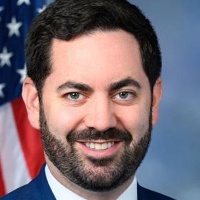
Michael Lawler
Representative
NY
Michael Lawler
Representative
NY
The Remote Access Security Act amends the Export Control Reform Act of 2018 to establish new controls on the remote access of sensitive U.S. items by foreign persons. This legislation grants the Secretary of Commerce authority to regulate such access when it poses a serious risk to national security. Furthermore, the bill mandates that the Secretary consult with key congressional committees before issuing new regulations on remote access controls.
This bill modifies deposits into the Crime Victims Fund by excluding certain False Claims Act recoveries and mandates an Inspector General audit of the Fund's sustainability.
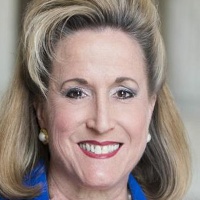
Ann Wagner
Representative
MO
Ann Wagner
Representative
MO
This bill amends the Victims of Crime Act of 1984 to temporarily exclude certain False Claims Act recoveries from being deposited into the Crime Victims Fund through fiscal year 2029. It also mandates a comprehensive audit by the Department of Justice Inspector General on the Fund's sustainability and the impact of recent legislative changes. The resulting report will provide recommendations for improving the Fund's effectiveness and oversight.
This bill establishes international exchange programs, funded by excess foreign currencies, to develop a skilled U.S. workforce and foster cooperation in the critical mineral mining sector.
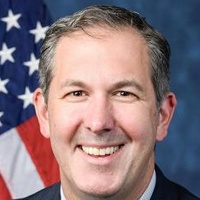
Johnny Olszewski
Representative
MD
Johnny Olszewski
Representative
MD
The Critical Mineral Mining Education Act of 2026 establishes programs within the Department of State to address critical mineral workforce shortages through international exchange. It creates fellowship opportunities for U.S. students to study mining abroad and for foreign scholars to teach and collaborate at U.S. institutions. These initiatives aim to strengthen the domestic mining industry by developing a skilled workforce and fostering global cooperation. Funding will be provided through excess foreign currencies and specific appropriations authorized through fiscal year 2035.
This act prohibits the use of federal funds and official action for any invasion of NATO member territory.
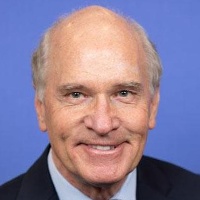
William Keating
Representative
MA
William Keating
Representative
MA
The **No Funds for NATO Invasion Act** prohibits the use of any federal funds for an invasion of any territory belonging to a member nation of the North Atlantic Treaty Organization (NATO). Furthermore, the bill bars U.S. officials from taking any action to execute such an invasion.
This act prohibits federal officials and employees from trading prediction market contracts while possessing material nonpublic government information.
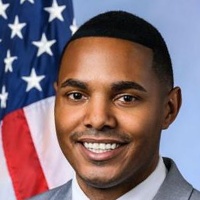
Ritchie Torres
Representative
NY
Ritchie Torres
Representative
NY
The Public Integrity in Financial Prediction Markets Act of 2026 prohibits federal officials and employees from trading in prediction market contracts while possessing material, nonpublic government information. This ban specifically targets transactions related to government policy, actions, or political outcomes. The goal is to prevent insider trading within these emerging financial markets by those with privileged access to government knowledge.
This resolution declares elective declawing of cats inhumane and urges states to prohibit the practice except when medically necessary.
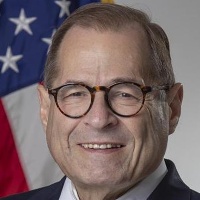
Jerrold Nadler
Representative
NY
Jerrold Nadler
Representative
NY
This resolution expresses strong opposition to elective declawing (onychectomy) of cats, deeming the procedure inhumane due to the lifelong pain and adverse behavioral effects it causes. It defines declawing broadly to include any procedure that disables a cat's claws and affirms that it should only be performed when medically necessary for the cat's health. The bill urges states to prohibit the practice on animal welfare and public health grounds, noting that humane alternatives exist.
This resolution recognizes the 15th anniversary of the 2011 Tucson shooting, honoring the victims, survivors, and the ongoing advocacy of Gabby Giffords.
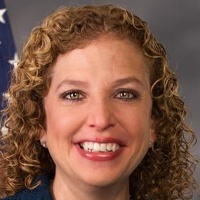
Debbie Wasserman Schultz
Representative
FL
Debbie Wasserman Schultz
Representative
FL
This resolution commemorates the 15th anniversary of the tragic January 8, 2011, Tucson shooting, honoring the six lives lost and the thirteen injured. It specifically commends the courage and ongoing advocacy of gun violence survivor and former Congresswoman Gabby Giffords. The resolution also recognizes the resilience of the community and reaffirms a commitment to ending political violence.
This act reforms the requirements and procedures for determining and maintaining duty status.
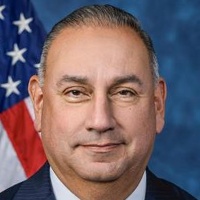
Gilbert Cisneros
Representative
CA
Gilbert Cisneros
Representative
CA
The Duty Status Reform Act aims to modernize and streamline the process for determining and managing duty status for federal employees. This legislation seeks to clarify existing regulations and ensure fair and consistent application of duty status rules across government agencies.
This bill establishes the National Flood Insurance Program Affordability Act to provide means-tested financial assistance for flood insurance costs to eligible policyholders and mandates monthly premium payment options.
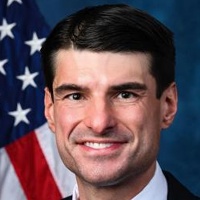
Robert Bresnahan
Representative
PA
Robert Bresnahan
Representative
PA
The National Flood Insurance Program Affordability Act establishes a means-tested financial assistance program to lower flood insurance costs for eligible homeowners, small businesses, and non-profits. This program provides graduated discounts on premiums for policyholders whose household income is at or below 120% of the area median income. Additionally, the bill mandates that FEMA implement monthly installment payment options for flood insurance premiums within 180 days of enactment.
This bill prohibits the use of federal funds for military force in or against Venezuela through 2026 unless Congress declares war or passes a specific authorizing law, with exceptions for defensive actions.
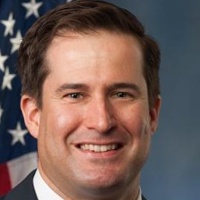
Seth Moulton
Representative
MA
Seth Moulton
Representative
MA
This bill prohibits the use of federal funds for military force in or against Venezuela through the end of 2026. This restriction remains in place unless Congress formally declares war or passes a new, specific authorization for military action that complies with the War Powers Resolution. An exception is made for necessary defensive actions, such as repelling a sudden attack.