Legislative Activity
Track Eugene's sponsored bills, co-sponsored legislation, and voting record
This bill mandates that mail-in ballot envelopes for federal elections starting in 2026 must include a U.S. Postal Service barcode for tracking.
Kweisi Mfume
Representative
MD
Kweisi Mfume
Representative
MD
The Vote by Mail Tracking Act mandates that all mail-in ballot envelopes for federal elections starting in 2026 must include a U.S. Postal Service barcode for tracking. This ensures enhanced transparency and traceability for every mailed ballot. The bill also requires the Postal Service to provide necessary compliance information to election officials annually.
The Stop Underrides Act 2.0 mandates the Department of Transportation to establish comprehensive federal safety standards for front, rear, and side underride protection systems on all new commercial motor vehicles to prevent fatalities and injuries in crashes up to 40 mph.

Steve Cohen
Representative
TN
Steve Cohen
Representative
TN
The Stop Underrides Act 2.0 mandates the Department of Transportation to establish new federal safety standards requiring comprehensive front, rear, and side underride protection systems on all new commercial motor vehicles. These standards must ensure guards prevent passenger vehicles and vulnerable road users from sliding under trucks in crashes up to 40 mph. The bill also reconvenes an advisory committee, funds new research studies, and requires the creation of a public website dedicated to underride crash information.
The Rebuild America’s Schools Act of 2026 establishes federal grant and bond programs to provide billions of dollars for the long-term improvement, modernization, and repair of public school facilities, prioritizing health, safety, and environmental conditions in high-need districts.
Robert Scott
Representative
VA
Robert Scott
Representative
VA
The **Rebuild America’s Schools Act of 2026** establishes major federal funding streams, including grants and tax-credit bonds, to modernize and repair public school facilities nationwide from 2027 through 2031. The legislation prioritizes districts with the greatest need, focusing on improving student health, safety, and environmental conditions in school buildings. It also mandates increased transparency through public databases tracking facility conditions and requires specific labor and "Buy America" standards for funded construction projects.
The GRAD Act expands existing grant programs for HBCUs and PBIs to include institutions offering specific master's degree programs and adjusts the distribution of leftover funds.
Jennifer McClellan
Representative
VA
Jennifer McClellan
Representative
VA
The Growing Reputable Academic Departments (GRAD) Act expands eligibility for existing federal grant programs benefiting Historically Black Colleges and Universities (HBCUs) and Predominantly Black Institutions (PBIs). This expansion specifically targets institutions offering qualified master's degree programs. The bill also updates the formula for distributing leftover funds within these grant programs.
This bill establishes mandatory minimum humanitarian standards for health screening, water, sanitation, food, and shelter for all individuals in ICE and CBP custody.
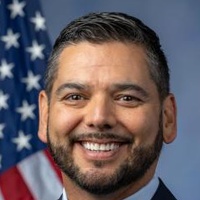
Raul Ruiz
Representative
CA
Raul Ruiz
Representative
CA
The Humanitarian Standards for Individuals in ICE and CBP Custody Act establishes minimum standards for health screening, nutrition, sanitation, and shelter for individuals detained by ICE and CBP. This bill mandates specific protocols for medical care, facility conditions, and personnel training to ensure humane treatment. It also requires regular inspections and public reporting on compliance and sexual abuse complaints.
The Veterans Education and Technical Skills Opportunity Act of 2025 reforms GI Bill contribution repayments, expands eligibility for independent study programs, provides service members options for continuing education during service orders, and updates VA compliance survey notification rules.
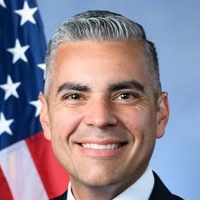
Juan Ciscomani
Representative
AZ
Juan Ciscomani
Representative
AZ
The Veterans Education and Technical Skills Opportunity Act of 2025 modernizes GI Bill benefits and support for service members and veterans. This bill revises the repayment timing for service members who contribute to their Post-9/11 GI Bill benefits and expands eligibility for independent study programs. It also provides service members with new options when called to active duty during their education and updates compliance survey procedures for educational institutions.
This act establishes uniform procedures to prevent the loss, destruction, or expiration of residual supplies from U.S. foreign aid projects.
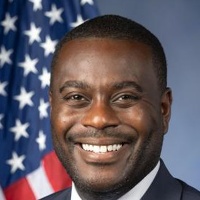
Gabe Amo
Representative
RI
Gabe Amo
Representative
RI
This bill, the SUPPLIES Act, mandates the Department of State and USAID to establish and publish clear procedures for managing leftover supplies when foreign aid projects conclude. The primary goal is to prevent the loss, destruction, or expiration of these unused commodities. These new guidelines must prioritize the proper disposition of residual supplies.
This Act ensures federal employees and certain contractors are paid during any government shutdown in fiscal year 2026 and prohibits workforce reductions during such funding gaps.
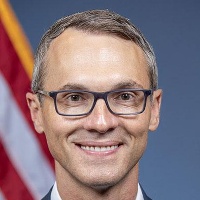
James Walkinshaw
Representative
VA
James Walkinshaw
Representative
VA
The True Shutdown Fairness Act ensures that federal employees and certain contract employees receive their full pay and benefits during any government shutdown in fiscal year 2026. It also mandates retroactive contract price adjustments to compensate contractors for costs incurred during previous shutdowns. Furthermore, the bill prohibits federal agencies from implementing workforce reductions or placing employees on extended administrative leave during funding lapses.
This bill prohibits the sale of sensitive veteran data by the Department of Veterans Affairs and mandates new contract requirements to prevent third-party actors from monetizing or misusing veteran information.
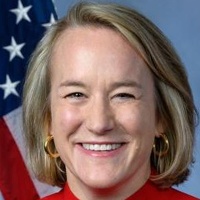
Nicole (Nikki) Budzinski
Representative
IL
Nicole (Nikki) Budzinski
Representative
IL
The Veteran Data Accountability for Third-party Actors (Veteran DATA) Act prohibits the Department of Veterans Affairs (VA) from contracting for the sale of sensitive veteran information. This legislation mandates that all VA contracts involving veteran data must include clauses preventing contractors from selling or misusing that information. Furthermore, the VA Secretary must issue guidance and report to Congress on the implementation of these new data protection requirements within one year.
This act prohibits the use of images of living elected officials or political figures on the National Parks and Federal Recreational Lands Pass.
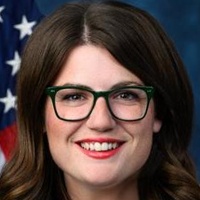
Sarah Elfreth
Representative
MD
Sarah Elfreth
Representative
MD
This bill, the Prohibit Partisan Park Passes Act, amends existing law to restrict the imagery allowed on the National Parks and Federal Recreational Lands Pass. Specifically, it prohibits the use of images of any living current or former elected official or living political figure on the pass.
This bill seeks to disapprove and nullify the Department of Veterans Affairs' final rule regarding "Reproductive Health Services."
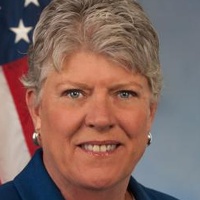
Julia Brownley
Representative
CA
Julia Brownley
Representative
CA
This resolution seeks to disapprove the Department of Veterans Affairs' final rule concerning "Reproductive Health Services" issued in September 2024. If enacted, this disapproval, made under the Congressional Review Act, would prevent the VA rule from taking legal effect.
This Act establishes a process for trafficking survivors to seek expungement of federal criminal records resulting from their victimization and creates a new duress defense based on trafficking status for certain federal offenses.
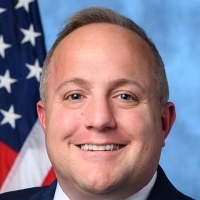
Russell Fry
Representative
SC
Russell Fry
Representative
SC
The Trafficking Survivors Relief Act establishes a process for victims of human trafficking to seek the expungement of federal arrests and the vacatur of certain federal criminal convictions resulting from their victimization. It also creates a new duress defense in federal criminal trials for individuals who committed offenses while being trafficked. Furthermore, the bill allows courts to reduce the sentences of current prisoners who committed offenses as a direct result of trafficking.
This bill mandates the removal of U.S. Armed Forces from Venezuela unless explicitly authorized by Congress.
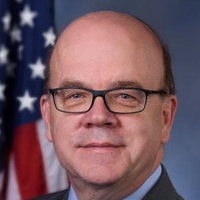
James McGovern
Representative
MA
James McGovern
Representative
MA
This bill mandates the President to withdraw all United States Armed Forces from Venezuela. This action is required unless Congress has formally declared war or passed specific legislation authorizing the use of military force in that country.
This bill directs the Secretary of Commerce to collect and publish standardized, up-to-date geospatial data on fishing and recreational vessel restrictions in federally managed ocean areas.
Russell Fry
Representative
SC
Russell Fry
Representative
SC
The Modernizing Access to Our Public Oceans Act directs the Secretary of Commerce to collect and publish comprehensive, up-to-date information on fishing restrictions in federally managed fisheries on a public website. This legislation also mandates the standardization of geospatial data related to ocean activities and marine protected areas. The goal is to improve accessibility and interoperability of critical ocean use information for the public, while explicitly preserving existing regulatory authority and Tribal rights.
This bill establishes a comprehensive FDA regulatory framework for hemp-derived cannabinoid products, defining product types, setting manufacturing and labeling standards, and imposing sales restrictions.
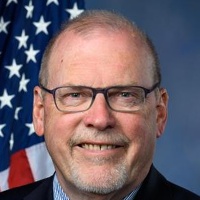
H. Griffith
Representative
VA
H. Griffith
Representative
VA
The Hemp Enforcement, Modernization, and Protection Act establishes a comprehensive federal regulatory framework for cannabinoid hemp products under the Federal Food, Drug, and Cosmetic Act. This bill defines various cannabinoid types and product categories (oral, inhalable, topical) while setting strict standards for manufacturing, labeling, and testing. It also prohibits certain products, mandates facility registration with the FDA, sets a minimum age of sale at 21, and grants the FDA enhanced enforcement and recall authority.
The Language Access for All Act of 2026 mandates that federal agencies implement comprehensive language assistance services, including translation and interpretation, to ensure meaningful access for individuals with limited English proficiency.

Grace Meng
Representative
NY
Grace Meng
Representative
NY
The Language Access for All Act of 2026 mandates that federal agencies provide meaningful access to programs and services for individuals with limited English proficiency. The bill requires agencies to implement comprehensive language access plans, establish technical standards for translation and interpretation, and appoint dedicated coordinators to ensure compliance. Additionally, it creates a public complaint system and sets strict guidelines for the use of AI in language services to ensure accuracy and accountability.
The Farm and Family Relief Act delays cost-sharing changes for SNAP benefits, provides targeted economic assistance to producers of various commodities and timber, establishes a specialty crop market development program, creates a Forest Service technology transfer office, and terminates certain timber-related tariffs.
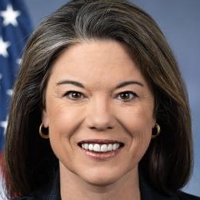
Angie Craig
Representative
MN
Angie Craig
Representative
MN
The Farm and Family Relief Act provides targeted economic assistance to various agricultural sectors, including producers of eligible commodities, sugar beets, and specialty crops, while also delaying scheduled cost-sharing changes for SNAP benefits. Additionally, the bill establishes new programs to support timber businesses through financial assistance and creates an Office of Technology Transfer within the U.S. Forest Service to commercialize research. Finally, it terminates several specific Executive orders imposing tariffs.
This act mandates that Small Business Development Centers assist small businesses in evaluating and implementing artificial intelligence for their operations.
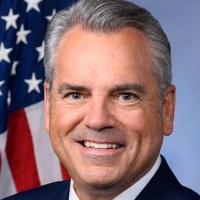
Mark Alford
Representative
MO
Mark Alford
Representative
MO
The AI for Main Street Act directs Small Business Development Centers (SBDCs) to assist small businesses in evaluating and implementing artificial intelligence in their operations. This support includes providing guidance, training on best practices, and outreach regarding AI use for planning, security, and compliance. The bill also formally defines artificial intelligence within the Small Business Act.
This act mandates that any future authorization for military force or declaration of war must include specific, jointly determined funding for the Department of Veterans Affairs to cover earned veteran benefits.
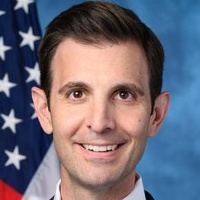
Chris Deluzio
Representative
PA
Chris Deluzio
Representative
PA
The Full Cost of War Act mandates that all future authorizations for the use of military force or declarations of war must include dedicated funding for the Department of Veterans Affairs. This provision ensures that resources are specifically allocated to cover medical care, disability compensation, and other earned benefits for veterans affected by the authorized military action.
This Act requires the Secretary of State to report on the treatment of ethnic minorities, particularly Albanians in the Preshevo Valley, by the Serbian government.
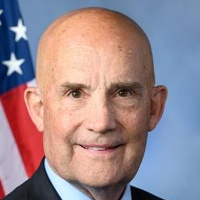
Keith Self
Representative
TX
Keith Self
Representative
TX
This Act mandates the Secretary of State to produce a comprehensive report detailing the treatment of ethnic minorities, particularly Albanians in the Preshevo Valley, within Serbia. The report must specifically investigate issues such as the denial of basic rights through residence deactivation and discrimination in public services and education. This assessment aims to shed light on potential systemic challenges faced by these minority groups.