Legislative Activity
Track Gabriel's sponsored bills, co-sponsored legislation, and voting record
The NSF AI Education Act of 2025 expands National Science Foundation support for AI education through new scholarships, industry fellowships, community college centers of excellence, and research awards for K-12 AI integration.
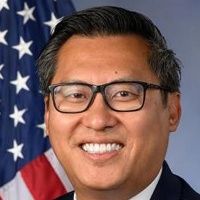
Vince Fong
Representative
CA
Vince Fong
Representative
CA
The NSF AI Education Act of 2025 significantly expands the National Science Foundation's role in bolstering the AI workforce through education and training. It establishes new scholarships and fellowships for students and professionals in AI-related fields, while also creating Centers of AI Excellence at community colleges and technical schools. Furthermore, the bill funds research awards to develop effective AI teaching methods and materials for K-12 education. Overall, this legislation aims to build a robust, skilled, and diverse AI talent pipeline across all educational levels.
This bill authorizes a single Congressional Gold Medal to honor the individuals who defended Bataan, Corregidor, and other Pacific locations during World War II.
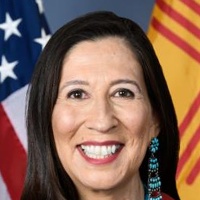
Teresa Leger Fernandez
Representative
NM
Teresa Leger Fernandez
Representative
NM
This bill authorizes the award of a single Congressional Gold Medal to recognize the collective heroism of the individuals who defended Bataan, Corregidor, and other locations in the Pacific theater during World War II. The medal honors the extraordinary sacrifice of U.S. service members and Filipino forces who fought and endured imprisonment by Imperial Japan. Following the presentation, the medal will be permanently displayed at the Smithsonian's National Museum of American History. The legislation also allows for the production and sale of bronze duplicate medals.
This bill renames and revises the Great American Outdoors Act's maintenance fund, increases dedicated funding through new, higher fees for foreign visitors, and sets spending priorities for deferred maintenance across public lands agencies.
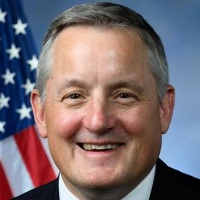
Bruce Westerman
Representative
AR
Bruce Westerman
Representative
AR
This bill, the Great American Outdoors Act 250, significantly reforms and renames the existing public lands restoration fund to the America’s Legacy Restoration Fund. It secures dedicated funding streams, primarily from energy revenues and new fees on foreign visitors, to address critical deferred maintenance across the National Park Service, Forest Service, and other public land agencies. The legislation establishes strict spending priorities for infrastructure repair while also creating pilot programs for enhancing outdoor recreation and sportsmen's access. Finally, it mandates increased transparency and accountability through standardized metrics and public reporting on all funded projects.
This bill directs the presentation of Congressional Gold Medals to the Artemis II crew members in recognition of their historic mission beyond low Earth orbit.
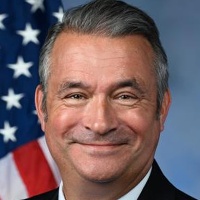
Don Bacon
Representative
NE
Don Bacon
Representative
NE
This bill directs the presentation of Congressional Gold Medals to the crew of the Artemis II mission to recognize their historic achievements in returning humans beyond low Earth orbit. The medals will honor the crew's role in setting new space exploration records and paving the way for future lunar and Mars missions. The Secretary of the Treasury is authorized to strike these medals and produce bronze duplicates for sale.
This bill, the "Protect Local Funding Act," prohibits the finalization, implementation, or enforcement of the proposed "Regulation for Federal Financial Assistance" rule published on May 29, 2026, or any substantially similar rule.
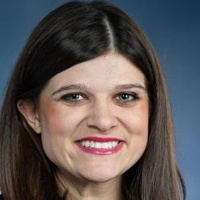
Haley Stevens
Representative
MI
Haley Stevens
Representative
MI
This bill, the "Protect Local Funding Act," prohibits the finalization, implementation, or enforcement of the proposed "Regulation for Federal Financial Assistance" published on May 29, 2026, or any substantially similar rule. It prevents federal agencies from enacting this specific regulation concerning federal financial assistance.
This bill prohibits the closure or relocation of most local USDA county and field offices unless specific, limited exceptions are met.
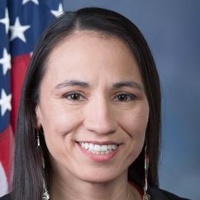
Sharice Davids
Representative
KS
Sharice Davids
Representative
KS
The USDA Field Office Stability Act aims to prevent the closure or relocation of essential local USDA county and field offices, including those for the NRCS, FSA, and Rural Development. This bill ensures that critical agricultural services remain accessible to the public by maintaining current office locations and adequate staffing levels. Exceptions are made only for offices located very close to another office in the same state or for minor relocations within the same county.
The SAFEGUARD Veterans Act of 2026 reinstates and expands penalties for unauthorized fee charging by unaccredited representatives while improving transparency and resources for veterans seeking legitimate representation for VA benefits.
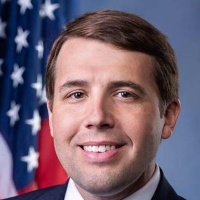
Chris Pappas
Representative
NH
Chris Pappas
Representative
NH
The **SAFEGUARD Veterans Act of 2026** strengthens protections for veterans by reinstating and expanding penalties against unaccredited representatives who charge unauthorized fees for VA benefit claims assistance. The bill mandates increased transparency by requiring the VA to maintain searchable lists of accredited representatives and improve public warnings about predatory practices on all VA websites. Furthermore, it requires new data collection on paid assistance and establishes a high-availability accreditation system for recognized agents and attorneys.
This act amends federal law to require labeling of foods containing gluten-containing grains as a major food allergen.
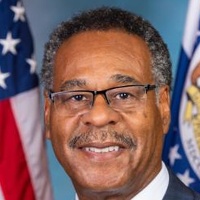
Emanuel Cleaver
Representative
MO
Emanuel Cleaver
Representative
MO
The Celiac Safety Act of 2026 amends federal law to officially classify gluten-containing grains (wheat, rye, and barley) as a major food allergen. This change mandates that foods containing these grains must be clearly labeled as such, similar to existing major allergens like peanuts or milk. This new labeling requirement will take effect 18 months after the Act's enactment.
This bill expands Medicare Part B coverage to reimburse for specific pharmacist services related to testing and treatment for certain public health threats, effective January 1, 2026.
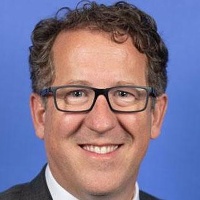
Adrian Smith
Representative
NE
Adrian Smith
Representative
NE
The Ensuring Community Access to Pharmacist Services Act expands Medicare Part B coverage to include services provided by pharmacists starting January 1, 2026. This coverage is specifically for testing or treatment related to COVID-19, the flu, RSV, strep throat, or during a declared public health emergency. The bill outlines payment structures, generally covering 80% of the cost, and prohibits pharmacists from balance billing Medicare patients for these covered services.
This bill extends the Rural Community Hospital Demonstration Program for an additional five years and modifies extension criteria for participating hospitals.
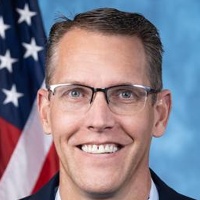
Randy Feenstra
Representative
IA
Randy Feenstra
Representative
IA
This bill, the "Rural Community Hospital Demonstration Program Reauthorization," extends the existing rural community hospital demonstration program for an additional five years, making it a 20-year program. It also updates the criteria for an additional extension period to cover certain hospitals that join the program between late 2024 and early 2027.
This bill authorizes the minting and sale of commemorative gold and silver coins to honor the 25th anniversary of the September 11, 2001, terrorist attacks, with surcharges supporting the National September 11 Memorial and Museum.

Dan Goldman
Representative
NY
Dan Goldman
Representative
NY
This bill authorizes the Secretary of the Treasury to mint and issue commemorative gold and silver coins marking the 25th anniversary of the September 11, 2001, terrorist attacks. The coins will honor the victims, first responders, and survivors, with designs selected in consultation with the National September 11 Memorial and Museum. All surcharges from the sale of these coins will be paid directly to the Memorial and Museum to support its operations and maintenance.
This bill ensures rural hospitals can maintain Critical Access Hospital status by excluding labor and delivery beds from the acute care inpatient bed count for Medicare purposes.
Randy Feenstra
Representative
IA
Randy Feenstra
Representative
IA
The Rural MOMS Act of 2026 aims to support maternity care in small rural hospitals. This bill amends Medicare rules to exclude beds used only for labor and delivery from the acute care inpatient bed count for Critical Access Hospitals. This change allows these vital rural facilities to maintain their special status while continuing to offer essential maternity services.
This resolution designates specific dates to honor law enforcement officers killed in the line of duty and expresses support for all officers.
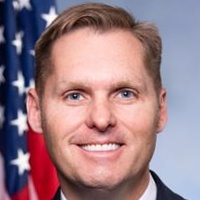
Michael Guest
Representative
MS
Michael Guest
Representative
MS
This resolution officially designates May 15, 2026, as Peace Officers Memorial Day and the week of May 10-16, 2026, as National Police Week. It honors the service and sacrifice of law enforcement officers killed in the line of duty, specifically recognizing 363 officers lost in 2025. The bill expresses unwavering support for law enforcement and acknowledges the need for proper resources to ensure officer safety.
The GUARD Act expands federal grant funding for state, local, and tribal law enforcement to investigate elder financial fraud, "pig butchering" scams, and general financial fraud, while also mandating comprehensive federal reports on scam trends and enforcement efforts.
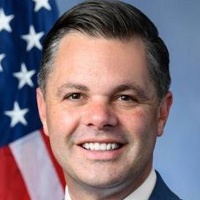
Zachary (Zach) Nunn
Representative
IA
Zachary (Zach) Nunn
Representative
IA
The GUARD Act expands the use of federal grant funds to help state, local, and tribal law enforcement investigate elder financial fraud, "pig butchering" scams, and general financial fraud. This legislation allows agencies to hire specialized staff, receive advanced training on emerging technologies, and acquire necessary investigative tools. Furthermore, the Act mandates comprehensive federal reports to Congress detailing the scope of these scams and the effectiveness of current enforcement efforts.
This bill establishes the Combating Organized Retail Crime Act of 2025 to enhance federal prosecution tools against organized retail and supply chain crime and create a DHS-led coordination center to align law enforcement efforts.
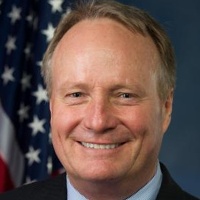
David Joyce
Representative
OH
David Joyce
Representative
OH
The Combating Organized Retail Crime Act of 2025 aims to combat sophisticated, cross-jurisdictional organized retail and supply chain theft. It achieves this by strengthening federal laws regarding money laundering and stolen property offenses, including lowering monetary thresholds for prosecution. Furthermore, the bill establishes a dedicated Center within the Department of Homeland Security to coordinate federal, state, and local enforcement efforts against these criminal organizations.
This bill expresses the Sense of Congress that medication abortion is safe and that federal approval preempts state restrictions on its dispensing, including in-person requirements and telehealth bans.
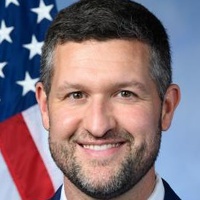
Patrick Ryan
Representative
NY
Patrick Ryan
Representative
NY
This resolution expresses the Sense of Congress that medication abortion is a safe treatment approved by the FDA. It further declares that federal approval preempts state laws attempting to restrict dispensing medication abortion in person or via telehealth.
This Act prohibits selling gasoline and petroleum distillates at unconscionably excessive prices during a conflict with Iran and establishes enforcement mechanisms through the FTC and state attorneys general.
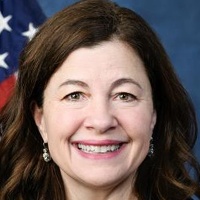
Kristen McDonald Rivet
Representative
MI
Kristen McDonald Rivet
Representative
MI
This act prohibits selling gasoline or petroleum fuels at unconscionably excessive prices during a period related to military operations against Iran. The law grants the Federal Trade Commission and state attorneys general enforcement authority, including the power to seek penalties and restitution. All collected fines will be directed into a Consumer Relief Trust Fund to support energy assistance programs.
This act prohibits the use of federal funds for military action in or against Iran through 2026 unless Congress formally declares war or authorizes such force.
Patrick Ryan
Representative
NY
Patrick Ryan
Representative
NY
The No Funds for Iran War Act prohibits the use of federal funds for military action in or against Iran through the end of 2026. This ban remains in effect unless Congress formally declares war or passes a specific authorization for military force. Exceptions are made only for actions consistent with the War Powers Resolution or necessary self-defense against an imminent attack.
This bill amends the tax code to allow a deduction for loan interest payments made on certain recreational vehicles.
Rudy Yakym
Representative
IN
Rudy Yakym
Representative
IN
This bill seeks to amend the Internal Revenue Code to allow taxpayers to deduct loan interest payments made on certain recreational vehicles. It expands the definition of "qualified passenger vehicles" to include RVs, trailers, and campers used for temporary living quarters. This change would apply to debt incurred after December 31, 2025.
This bill establishes the Caja del Rio Special Management Area and National Conservation Area to permanently protect its cultural and ecological values while prioritizing tribal involvement in its management and limiting new development and motorized use.
Teresa Leger Fernandez
Representative
NM
Teresa Leger Fernandez
Representative
NM
The Caja del Rio Protection Act establishes two protected zones—the Special Management Area and the National Conservation Area—to permanently safeguard the cultural, ecological, and historical values of roughly 85,000 acres of federal land in New Mexico. The bill significantly limits new roads and motorized vehicle use while prioritizing the involvement of Indian Tribes and traditional communities in management decisions. Furthermore, the Act withdraws the federal land from future mining and mineral leasing while preserving existing grazing rights and essential water infrastructure.