Legislative Activity
Track Gabriel's sponsored bills, co-sponsored legislation, and voting record
This bill establishes the Caja del Rio Special Management Area and National Conservation Area to permanently protect its cultural and ecological values while prioritizing tribal involvement in its management and limiting new development and motorized use.
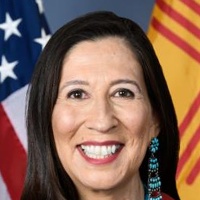
Teresa Leger Fernandez
Representative
NM
Teresa Leger Fernandez
Representative
NM
The Caja del Rio Protection Act establishes two protected zones—the Special Management Area and the National Conservation Area—to permanently safeguard the cultural, ecological, and historical values of roughly 85,000 acres of federal land in New Mexico. The bill significantly limits new roads and motorized vehicle use while prioritizing the involvement of Indian Tribes and traditional communities in management decisions. Furthermore, the Act withdraws the federal land from future mining and mineral leasing while preserving existing grazing rights and essential water infrastructure.
This act prohibits involuntary workforce reductions and separations at the Department of the Interior and the U.S. Forest Service through September 30, 2030, without specific congressional committee approval.
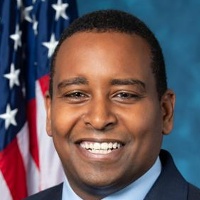
Joe Neguse
Representative
CO
Joe Neguse
Representative
CO
The Public Lands Workforce Stability Act prohibits the Department of the Interior and the U.S. Forest Service from implementing involuntary layoffs or reductions in force for most career employees through September 30, 2030. This measure prevents the use of federal funds for such actions unless specific congressional committee approval is obtained. Separations are only permitted for cause, such as misconduct or poor performance.
This bill mandates that freight trains crossing the southern border must stop for crew interchange and safety testing, ensuring only U.S. nationals or authorized resident aliens operate the train within the United States.
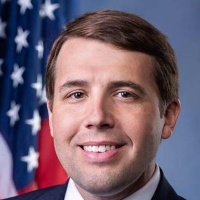
Chris Pappas
Representative
NH
Chris Pappas
Representative
NH
The Protecting American Railroad Workers’ Jobs Act of 2026 mandates new safety and employment requirements for freight trains crossing the U.S.-Mexico border. This bill requires all cross-border freight trains to stop at the border for crew interchange and safety testing. Furthermore, it stipulates that only U.S. nationals or lawfully authorized resident aliens whose primary reporting point is in the U.S. may operate the train after the interchange.
This Act mandates a comprehensive report to Congress detailing emerging military, cyber, and political threats to the Baltic states and recommending strategies to enhance their security and U.S. partnership.
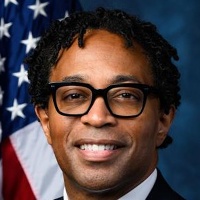
Wesley Bell
Representative
MO
Wesley Bell
Representative
MO
The Baltic Security Assessment Act of 2025 affirms the critical importance of Estonia, Latvia, and Lithuania to U.S. national security amidst Russian aggression. This bill mandates that the Secretary of State and Secretary of Defense deliver a comprehensive report to Congress detailing emerging military, cyber, and political threats to the Baltic states. The report must also recommend specific actions to enhance U.S. and NATO defense cooperation and bolster Baltic resilience.
This bill aims to restrict the labeling of non-dairy products as standardized dairy products unless they meet a strict new definition based on milk from hooved mammals.
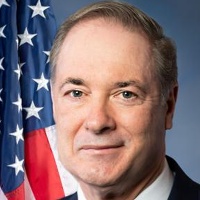
John Joyce
Representative
PA
John Joyce
Representative
PA
The DAIRY PRIDE Act aims to protect the integrity of dairy labeling by establishing a strict definition for what can be called a "dairy product." This bill prohibits foods that do not meet this new standard—derived from the milk of hooved mammals—from being sold across state lines under standardized dairy names. Enforcement will be managed by the FDA, which is required to issue guidance and report on compliance actions to Congress.
This bill amends the Food and Nutrition Act of 2008 to explicitly include hot rotisserie chicken as an eligible food item under the Supplemental Nutrition Assistance Program (SNAP).
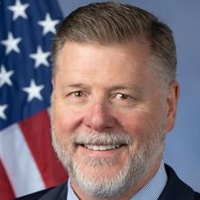
Eric Crawford
Representative
AR
Eric Crawford
Representative
AR
This bill seeks to amend the Food and Nutrition Act of 2008 to update the definition of eligible food items for the Supplemental Nutrition Assistance Program (SNAP). Specifically, it would explicitly add hot rotisserie chicken to the list of items that can be purchased with SNAP benefits. The legislation also includes minor technical formatting updates to the existing law.
The Medicare Advantage Improvement Act of 2026 mandates faster authorization decisions, stricter oversight, and aligns coverage criteria with traditional Medicare to improve timely care and accountability for Medicare Advantage plans.
John Joyce
Representative
PA
John Joyce
Representative
PA
The Medicare Advantage Improvement Act of 2026 aims to enhance timely access to care and improve oversight for Medicare Advantage (MA) enrollees. The bill mandates faster decision-making for prior authorization requests, establishes strict compliance scoring with financial penalties for non-compliant plans, and requires MA plans to use the same medical necessity criteria as traditional Medicare. Furthermore, it protects providers by limiting retroactive denials for pre-approved services and ensuring prompt payment for those services.
The CERTAIN Act establishes strict timelines for federal project authorizations, limits agency interference with existing permits, and mandates process coordination and capacity assessments to expedite infrastructure development.
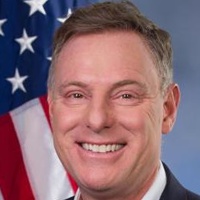
Scott Peters
Representative
CA
Scott Peters
Representative
CA
The CERTAIN Act aims to accelerate infrastructure development by establishing strict timelines and processes for federal project authorizations and environmental reviews. It limits when agencies can revoke existing permits and mandates coordination across multiple agencies to ensure timely decisions. The bill also addresses staffing shortages within federal agencies responsible for these reviews to improve permitting capacity.
This Act establishes grants to help local educational agencies and partners transform schoolyards into ecological, educational, and community-accessible outdoor learning environments.
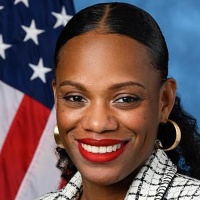
Summer Lee
Representative
PA
Summer Lee
Representative
PA
The Revitalizing America’s Schoolyards Act of 2026 establishes grants for local educational agencies and partners to transform school outdoor spaces into "revitalized schoolyards." These park-like environments must strengthen ecology, provide hands-on learning, and promote health, while remaining open for shared public use outside of school hours. The program prioritizes funding for schools serving high percentages of low-income students and directs the Department of Education to create a clearinghouse for best practices in outdoor learning spaces.
This resolution designates April 10 as "Dolores Huerta Day" to honor the enduring legacy and civil rights contributions of the trailblazing labor leader.
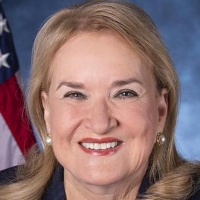
Sylvia Garcia
Representative
TX
Sylvia Garcia
Representative
TX
This resolution designates April 10 as "Dolores Huerta Day" to honor the enduring legacy of the trailblazing labor and civil rights leader. It recognizes her foundational role in the farm workers movement, her advocacy for equality, and her lifelong commitment to nonviolent activism. The bill celebrates her historic achievements and encourages the continued pursuit of civil rights for all.
This bill mandates gender-neutral occupational standards across the U.S. Armed Forces and establishes new reporting requirements for military assignments and performance criteria.
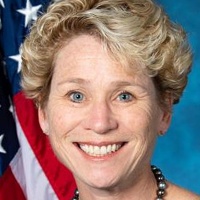
Chrissy Houlahan
Representative
PA
Chrissy Houlahan
Representative
PA
This bill mandates gender-neutral assignment standards across all branches of the U.S. Armed Forces, effective September 30, 2026. It requires that all occupational performance standards be based on scientifically rigorous, job-specific criteria rather than gender. Additionally, the legislation establishes new annual reporting requirements for Congress and mandates a formal review of ground combat unit effectiveness.
The Native American Housing Assistance and Self-Determination Modernization Act of 2026 streamlines environmental reviews, reauthorizes critical housing funding, and expands support for tribal homeownership, veteran assistance, and infrastructure development.
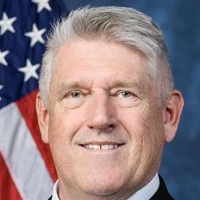
Troy Downing
Representative
MT
Troy Downing
Representative
MT
The Native American Housing Assistance and Self-Determination Modernization Act of 2026 streamlines federal housing programs to better support tribal communities. The bill simplifies environmental review processes, expands homeownership and rental assistance opportunities, and reauthorizes critical funding through 2032. Additionally, it enhances tribal authority over housing management, improves access to loan guarantees, and establishes new support programs for homeless or at-risk Native American veterans.
The Supporting VA Families Act provides Department of Veterans Affairs employees with four additional weeks of unpaid parental leave following the birth, adoption, or foster placement of a child.
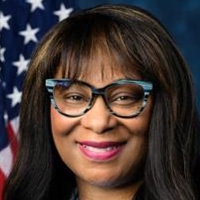
Janelle Bynum
Representative
OR
Janelle Bynum
Representative
OR
The Supporting VA Families Act establishes a supplemental parental leave program for Department of Veterans Affairs employees. This legislation provides eligible staff with four additional administrative weeks of unpaid leave following the birth, adoption, or foster care placement of a child. This benefit is designed to supplement, rather than replace, existing family and medical leave entitlements.
The Momnibus Act is a comprehensive legislative package designed to improve maternal health outcomes and reduce racial disparities by addressing social determinants, expanding nutritional and mental health support, diversifying the perinatal workforce, and investing in data-driven, community-based care.
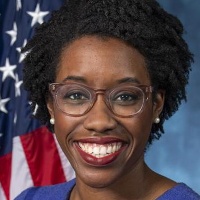
Lauren Underwood
Representative
IL
Lauren Underwood
Representative
IL
The Momnibus Act is a comprehensive legislative package designed to end preventable maternal mortality and close racial and ethnic disparities in maternal health outcomes. By addressing social determinants of health, expanding nutritional and mental health support, and investing in a diverse, culturally competent workforce, the bill provides a holistic framework for improving care. Through targeted federal grants, enhanced data collection, and innovative technology, the Act aims to ensure that all pregnant and postpartum individuals receive the equitable, high-quality care they deserve.
The Energy Bills Relief Act aims to lower energy costs for families by reversing clean energy rollbacks, expanding assistance programs, streamlining grid upgrades, and increasing transparency in utility regulation.
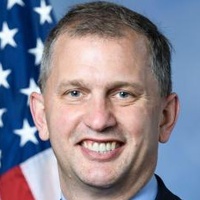
Sean Casten
Representative
IL
Sean Casten
Representative
IL
The Energy Bills Relief Act is a comprehensive bill designed to lower energy costs for American families, accelerate the deployment of low-cost, clean energy, and modernize the nation's electricity grid. It achieves this by reversing harmful policies against renewables, expanding energy assistance programs, streamlining grid connection processes, and increasing transparency in utility regulation. Ultimately, the legislation aims to create a more reliable, affordable, and cleaner energy system while ensuring communities have a stronger voice in energy development.
This Act establishes a Department of the Interior program to provide technical and financial assistance to Indian Tribes for the restoration, management, and cultural preservation of buffalo herds on Tribal lands.
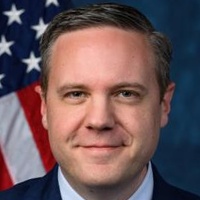
Jeff Hurd
Representative
CO
Jeff Hurd
Representative
CO
The Don Young Doug LaMalfa Indian Buffalo Management Act establishes a Department of the Interior program to support Indian Tribes in the restoration, management, and protection of buffalo herds on Tribal lands. Through grants, technical assistance, and the transfer of surplus buffalo from federal lands, the Act empowers Tribes to enhance their cultural, spiritual, and economic connections to the species. The program prioritizes the integration of traditional ecological knowledge while ensuring the protection of culturally sensitive information.
The Working Americans’ Tax Cut Act establishes a 25.5% maximum federal income tax rate for low- and middle-income earners while implementing a new progressive tax surcharge on high-income individuals.
Donald Beyer
Representative
VA
Donald Beyer
Representative
VA
The Working Americans’ Tax Cut Act aims to provide tax relief to low- and middle-income earners by capping their federal income tax at 25.5% for income exceeding a cost-of-living exemption. To offset this, the bill introduces a new graduated tax surcharge on high-income individuals earning over $1 million. These changes are set to take effect for taxable years beginning after December 31, 2025.
This act expands Medicaid recognition of podiatrists as physicians and streamlines Medicare documentation requirements for diabetic therapeutic shoes.
John Joyce
Representative
PA
John Joyce
Representative
PA
The Diabetes Foot Health Access and Modernization Act of 2026 improves patient care by officially recognizing doctors of podiatric medicine as physicians within the Medicaid program. Additionally, the bill streamlines Medicare documentation requirements to ensure patients with diabetes have better access to essential therapeutic footwear.
The Event Contract Enforcement Act prohibits the trading of derivatives based on elections, illegal acts, war, terrorism, and other activities deemed contrary to the public interest.
Blake Moore
Representative
UT
Blake Moore
Representative
UT
The Event Contract Enforcement Act prohibits the trading of event-based financial contracts involving sensitive topics such as elections, terrorism, assassinations, war, and government activities. By amending the Commodity Exchange Act, the bill aims to prevent the commodification of activities deemed contrary to the public interest. It also restricts betting on gaming activities, with specific exemptions for conduct permitted under state law.
This bill strengthens democracy by banning foreign spending in U.S. elections, increasing transparency for "dark money" in politics, and mandating clear disclosure of funders in political advertising.
Chris Pappas
Representative
NH
Chris Pappas
Representative
NH
The Democracy Is Strengthened by Casting Light On Spending in Elections Act of 2026 aims to increase transparency and security in U.S. elections. It closes loopholes to ban foreign national spending in elections, mandates disclosure for "dark money" political spending, and requires clear funding disclosures on political ads. The bill also centralizes legal challenges to campaign finance laws in Washington, D.C., for faster resolution.