Legislative Activity
Track Gabriel's sponsored bills, co-sponsored legislation, and voting record
This bill expresses support for the National FFA Organization by designating February 21-28, 2026, as National FFA Week and celebrating the 50th anniversary of the Alaska State FFA Association.
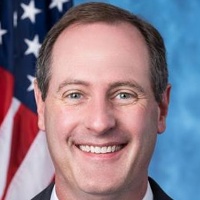
Tracey Mann
Representative
KS
Tracey Mann
Representative
KS
This resolution expresses support for the National FFA Organization and designates February 21–28, 2026, as National FFA Week. It recognizes the FFA's vital role in developing future leaders through agricultural education. The bill also celebrates the 50th anniversary of the chartering of the Alaska State FFA Association.
This bill exempts specific less-than-lethal projectile devices from federal firearm restrictions, excise taxes, and National Firearms Act regulations to promote de-escalation innovation in law enforcement.
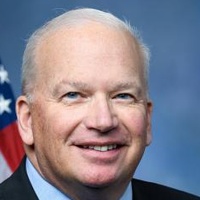
Scott Fitzgerald
Representative
WI
Scott Fitzgerald
Representative
WI
The Law-Enforcement Innovate to De-Escalate Act aims to promote de-escalation by exempting specific, clearly defined less-than-lethal projectile devices from federal firearm restrictions and excise taxes. This legislation provides a formal process for determining which devices qualify for these exemptions under both federal law and the National Firearms Act. The bill also modernizes tax regulations by exempting qualifying less-than-lethal devices and their ammunition from federal excise taxes.
This Act prohibits online platforms from displaying fraudulent paid advertisements if they accepted payment and failed to take reasonable steps to prevent them, while also establishing new enforcement mechanisms.
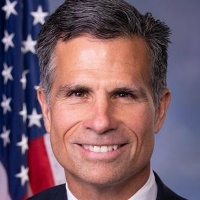
Daniel Meuser
Representative
PA
Daniel Meuser
Representative
PA
The Safeguarding Consumers from Advertising Misconduct Act (SCAM Act) holds online platforms accountable for displaying fraudulent or deceptive paid advertisements. It mandates that platforms implement strict advertiser verification procedures and actively detect and remove scam ads. This legislation establishes a private right of action for injured consumers and clarifies that existing Section 230 immunity does not apply to violations of this Act.
The BASICS Act reforms federal highway funding by prioritizing local decision-making, establishing a new bridge repair program, and empowering metropolitan and regional planning organizations with direct funding and expanded administrative authority.
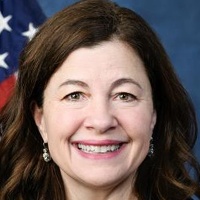
Kristen McDonald Rivet
Representative
MI
Kristen McDonald Rivet
Representative
MI
The BASICS Act (Bridges And Safety Infrastructure for Community Success Act) reforms federal transportation funding to prioritize local decision-making and infrastructure maintenance. The bill establishes a new $5.5 billion annual program for bridge repairs and replacements, while increasing support for regional and metropolitan transportation planning. Additionally, it mandates greater local consultation for project selection and streamlines the process for regional organizations to receive and manage federal transportation funds directly.
This bill mandates that Federally-qualified health centers receive the full 340B discounted drug price upfront at the point of purchase, prohibiting post-purchase price adjustments.
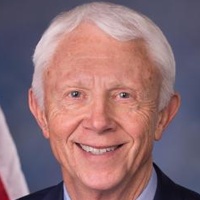
Jack Bergman
Representative
MI
Jack Bergman
Representative
MI
The Community Health Center Drug Pricing Protection Act ensures that Federally-qualified health centers (FQHCs) receive the full 340B discounted price for drugs at the point of purchase. This legislation prohibits manufacturers from requiring FQHCs to pay more than the established ceiling price upfront, regardless of any later rebates or reimbursements. The goal is to guarantee immediate, upfront savings for these vital health centers.
The Stop Underrides Act 2.0 mandates the Department of Transportation to establish comprehensive federal safety standards for front, rear, and side underride protection systems on all new commercial motor vehicles to prevent fatalities and injuries in crashes up to 40 mph.
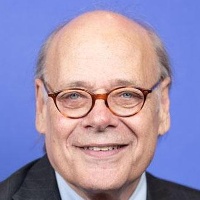
Steve Cohen
Representative
TN
Steve Cohen
Representative
TN
The Stop Underrides Act 2.0 mandates the Department of Transportation to establish new federal safety standards requiring comprehensive front, rear, and side underride protection systems on all new commercial motor vehicles. These standards must ensure guards prevent passenger vehicles and vulnerable road users from sliding under trucks in crashes up to 40 mph. The bill also reconvenes an advisory committee, funds new research studies, and requires the creation of a public website dedicated to underride crash information.
This bill reauthorizes and expands federal funding and services for victims of family and dating violence while strengthening prevention efforts, especially for Tribal and underserved communities.
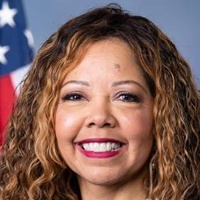
Lucy McBath
Representative
GA
Lucy McBath
Representative
GA
The Family Violence Prevention and Services Improvement Act of 2026 reauthorizes and expands critical federal programs to improve services and prevention for victims of domestic and dating violence through 2031. It significantly increases funding and broadens support, especially for Tribal communities and underserved populations, by allowing for culturally specific and digital services. Additionally, the bill enhances efforts to prevent teen dating violence through increased funding for broader educational programs.
This bill establishes a commission to investigate the history and ongoing impacts of U.S. federal Indian boarding school policies, mandates the search for burial sites, and strengthens repatriation laws for associated cultural items.
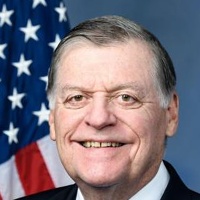
Tom Cole
Representative
OK
Tom Cole
Representative
OK
The Truth and Healing Commission on Indian Boarding School Policies Act of 2026 establishes a commission to investigate the history and ongoing impacts of U.S. Indian boarding school policies. This legislation mandates the gathering of survivor testimony and the search for student burial sites across the country. It also creates advisory committees to ensure Native communities guide the process and clarifies existing laws to facilitate the repatriation and respectful reburial of cultural items. Ultimately, the Act aims to provide a formal record, promote healing, and recommend necessary policy changes to Congress.
The Veterans Education and Technical Skills Opportunity Act of 2025 reforms GI Bill contribution repayments, expands eligibility for independent study programs, provides service members options for continuing education during service orders, and updates VA compliance survey notification rules.
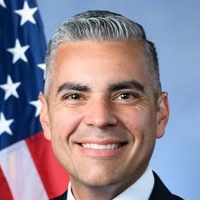
Juan Ciscomani
Representative
AZ
Juan Ciscomani
Representative
AZ
The Veterans Education and Technical Skills Opportunity Act of 2025 modernizes GI Bill benefits and support for service members and veterans. This bill revises the repayment timing for service members who contribute to their Post-9/11 GI Bill benefits and expands eligibility for independent study programs. It also provides service members with new options when called to active duty during their education and updates compliance survey procedures for educational institutions.
This act authorizes the Secretary of Agriculture to restore and manage land under Emergency Watershed Program floodplain easements to enhance watershed health and protection.
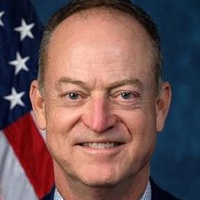
Mark Messmer
Representative
IN
Mark Messmer
Representative
IN
The Restoring America’s Floodplains Act authorizes the Secretary of Agriculture to restore and manage land protected by floodplain easements under the Emergency Watershed Program. This includes restoring natural vegetative cover and hydrological functions through contracts with landowners, states, and other entities. The Act also allows for compatible economic uses on the easement land if they support the long-term protection of the floodplain.
This bill seeks to disapprove and nullify the Department of Veterans Affairs' final rule regarding "Reproductive Health Services."
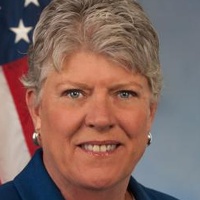
Julia Brownley
Representative
CA
Julia Brownley
Representative
CA
This resolution seeks to disapprove the Department of Veterans Affairs' final rule concerning "Reproductive Health Services" issued in September 2024. If enacted, this disapproval, made under the Congressional Review Act, would prevent the VA rule from taking legal effect.
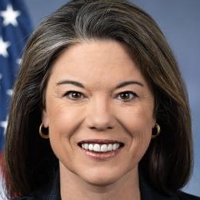
The Farm and Family Relief Act delays cost-sharing changes for SNAP benefits, provides targeted economic assistance to producers of various commodities and timber, establishes a specialty crop market development program, creates a Forest Service technology transfer office, and terminates certain timber-related tariffs.
Angie Craig
Representative
MN
Angie Craig
Representative
MN
The Farm and Family Relief Act provides targeted economic assistance to various agricultural sectors, including producers of eligible commodities, sugar beets, and specialty crops, while also delaying scheduled cost-sharing changes for SNAP benefits. Additionally, the bill establishes new programs to support timber businesses through financial assistance and creates an Office of Technology Transfer within the U.S. Forest Service to commercialize research. Finally, it terminates several specific Executive orders imposing tariffs.
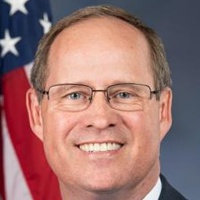
This act establishes the Domestic Cotton Consumption Credit to incentivize businesses to use U.S.-grown cotton through a verified supply chain with varying credit percentages based on processing location.
Gregory Murphy
Representative
NC
Gregory Murphy
Representative
NC
The Buying American Cotton Act of 2026 establishes the Domestic Cotton Consumption Credit to incentivize the use of U.S.-grown cotton in products sold domestically. This new business tax credit is calculated based on the volume of U.S. cotton used, the market price, and where the product was processed. The bill mandates digital tracing to verify the supply chain and offers significantly increased credit multipliers for products containing U.S.-made cotton yarn or fabric.
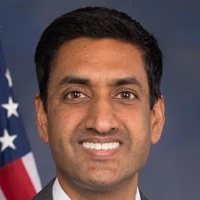
This bill disallows certain tax deductions and imposes an excise tax on single-family home sales by large investors, while prohibiting federal mortgage assistance to these entities, with collected funds supporting low-income housing.
Ro Khanna
Representative
CA
Ro Khanna
Representative
CA
The Stop Wall Street Landlords Act of 2026 aims to curb large corporate ownership of single-family homes. It disallows key tax deductions, such as mortgage interest and depreciation, for investors holding over $100 million in assets who own these properties. The bill also imposes a full excise tax on the sale of these homes by such investors. Finally, it prohibits Fannie Mae, Freddie Mac, and Ginnie Mae from financing mortgages held by these specified large investors.
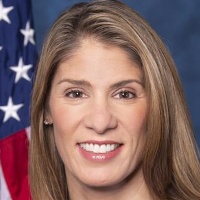
This bill establishes a statutory definition for "essential health system" based on financial criteria related to serving Medicaid and low-income patients, and requires MACPAC to create an index and report on these hospitals.
Lori Trahan
Representative
MA
Lori Trahan
Representative
MA
This bill establishes a statutory definition for an "essential health system" based on the volume of care provided to low-income and Medicaid patients. It requires the Secretary of Health and Human Services to designate qualifying hospitals for a five-year period. Furthermore, the bill mandates MACPAC to create an annual index ranking all relevant hospitals based on these financial criteria and to review payment policies supporting these essential systems.
This bill automatically appropriates funds to ensure federal employees and essential contractors receive their regular pay during a government shutdown.
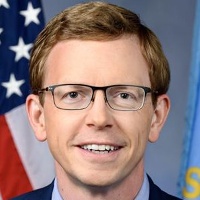
Dusty Johnson
Representative
SD
Dusty Johnson
Representative
SD
The Shutdown Fairness Act automatically appropriates necessary funds to ensure federal employees and essential contractors receive their regular pay during a government shutdown. This legislation mandates timely payment for covered personnel, regardless of whether they were deemed "excepted" or furloughed. The funds are charged against the agency's subsequent regular appropriations once they are enacted.
This bill impeaches Secretary of Homeland Security Kristi Lynn Arnold Noem for high crimes and misdemeanors, citing willful refusal to comply with oversight law, violating the Impoundment Control Act, directing unlawful ICE misconduct, and misusing federal funds for personal gain.
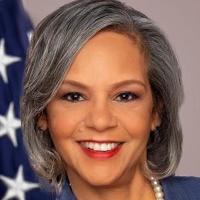
Robin Kelly
Representative
IL
Robin Kelly
Representative
IL
This resolution initiates impeachment proceedings against Secretary of Homeland Security Kristi Lynn Arnold Noem for high crimes and misdemeanors. The articles of impeachment charge her with willfully refusing to comply with Congressional oversight laws and violating the Impoundment Control Act by improperly withholding funds. Further articles allege she directed widespread misconduct by ICE agents that violated federal law and constitutional rights, and misused taxpayer funds for personal gain through improper contracting.
The Renewed Hope Act strengthens child exploitation investigations by mandating increased staffing, specialized training, and improved interagency coordination within the Department of Homeland Security.
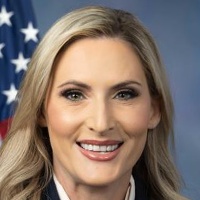
Laurel Lee
Representative
FL
Laurel Lee
Representative
FL
The Renewed Hope Act strengthens efforts to combat child sexual exploitation by mandating the hiring of additional forensic analysts and investigators within the Department of Homeland Security. The bill establishes specialized training programs, improves inter-agency coordination, and provides direct hiring authority to accelerate the rescue of victims. Additionally, it implements strict privacy protections to ensure that sensitive victim information is handled securely by law enforcement.
This bill expresses support for the Iranian people protesting for a free and democratic Iran while condemning the Islamic Republic's violent repression.
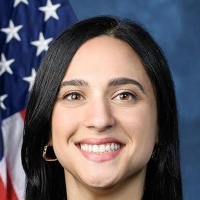
Yassamin Ansari
Representative
AZ
Yassamin Ansari
Representative
AZ
This resolution expresses strong support for the Iranian people protesting for freedom, democracy, and basic human rights against the repressive Islamic Republic. It condemns the regime's brutal crackdown on demonstrators and demands an end to violence and the release of political prisoners. Furthermore, it urges the U.S. government to work with allies to deter further lethal violence against protesters.
This bill modifies deposits into the Crime Victims Fund by excluding certain False Claims Act recoveries and mandates an Inspector General audit of the Fund's sustainability.
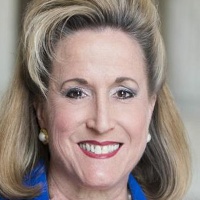
Ann Wagner
Representative
MO
Ann Wagner
Representative
MO
This bill amends the Victims of Crime Act of 1984 to temporarily exclude certain False Claims Act recoveries from being deposited into the Crime Victims Fund through fiscal year 2029. It also mandates a comprehensive audit by the Department of Justice Inspector General on the Fund's sustainability and the impact of recent legislative changes. The resulting report will provide recommendations for improving the Fund's effectiveness and oversight.