Legislative Activity
Track Gabriel's sponsored bills, co-sponsored legislation, and voting record
This Act establishes an annual out-of-pocket spending cap for prescription drug cost-sharing, starting at \$2,000 for individuals and \$4,000 for families in 2026, with future adjustments based on medical cost inflation.
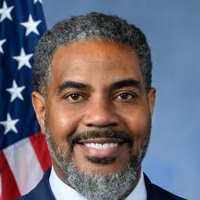
Steven Horsford
Representative
NV
Steven Horsford
Representative
NV
The Capping Prescription Costs Act of 2025 establishes a hard annual limit on the amount individuals and families must pay out-of-pocket for prescription drugs under their health plans. Starting in 2026, this cap will be set at \$2,000 for individuals and \$4,000 for families, adjusting annually based on medical cost inflation. This requirement applies to both ACA marketplace plans and most employer-sponsored group health plans.
This Act establishes the New Producer Economic Security Program to fund community-led projects that provide land, capital, and market access to new and disadvantaged farmers, ranchers, and forest owners.
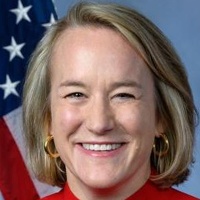
Nicole (Nikki) Budzinski
Representative
IL
Nicole (Nikki) Budzinski
Representative
IL
The New Producer Economic Security Act establishes a new federal program to fund community-led projects that help new and disadvantaged farmers, ranchers, and forest owners gain access to land, capital, and markets. Run by the USDA's Farm Service Agency, the initiative aims to ensure the long-term economic viability and security of these producers. Eligible entities will apply for grants to provide direct assistance, technical support, and financial tools to qualified beneficiaries. Priority will be given to projects that offer direct financial aid, support land affordability, and involve strong local partnerships.
This Act establishes a federal grant program to fund specialized mental health crisis response training for state, local, and Tribal law enforcement and corrections officers.

Marcy Kaptur
Representative
OH
Marcy Kaptur
Representative
OH
The Law Enforcement Training for Mental Health Crisis Response Act of 2025 establishes a grant program to fund specialized behavioral health crisis response training for state, local, and Tribal law enforcement and corrections officers. This initiative aims to improve officer and public safety by equipping personnel with the necessary skills to safely de-escalate encounters involving individuals experiencing mental health emergencies. Grants will be administered by the Attorney General to supplement existing agency funds dedicated to this critical training.
The COMPLETE Care Act increases Medicare payments to primary care providers for integrating behavioral health services between 2027 and 2029 and provides technical assistance to support these practices.
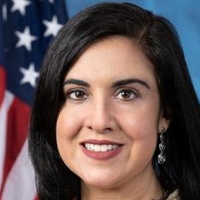
Nicole Malliotakis
Representative
NY
Nicole Malliotakis
Representative
NY
The COMPLETE Care Act aims to improve mental healthcare access by providing Medicare incentives for primary care providers to integrate behavioral health services into their practices between 2027 and 2029. This legislation offers increased Medicare payments for specific integrated services during those years, ensuring these bonuses do not trigger cuts elsewhere in the Medicare budget. Additionally, the bill mandates technical assistance to help primary care offices successfully adopt these new integrated care models.
The Hot Foods Act of 2025 lifts the general ban on purchasing ready-to-eat hot foods with SNAP benefits while imposing a sales cap on retailers that primarily sell such items.

Grace Meng
Representative
NY
Grace Meng
Representative
NY
The Hot Foods Act of 2025 removes the general federal ban on using Supplemental Nutrition Assistance Program (SNAP) benefits to purchase hot, ready-to-eat foods. This legislation clarifies that hot foods are now eligible for purchase with SNAP benefits, while also setting a new rule that limits SNAP-participating retailers to deriving no more than 50% of their gross sales from these ready-to-eat hot items. The act updates existing statutes to reflect this expanded purchasing power for recipients.
This bill excludes certain veterinary student loan repayments and forgiveness amounts from taxable income to encourage veterinarians to practice in rural areas.

Adrian Smith
Representative
NE
Adrian Smith
Representative
NE
The Rural Veterinary Workforce Act aims to encourage more veterinarians to serve in underserved rural areas by making participation in certain loan repayment or forgiveness programs more financially appealing. This bill amends the tax code to exclude amounts received through qualifying state or federal veterinary student loan repayment programs from being counted as taxable income. This tax benefit applies to amounts received for taxable years beginning after December 31, 2025.
The American Families United Act grants immigration judges and the Secretary of Homeland Security greater discretion to prevent the removal of family members of U.S. citizens when separation would cause hardship, while also allowing for the reopening of certain prior cases.
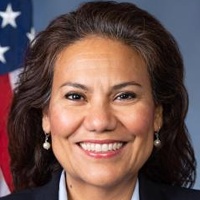
Veronica Escobar
Representative
TX
Veronica Escobar
Representative
TX
The American Families United Act grants immigration officials increased discretion to halt removal proceedings or grant immigration benefits for family members of U.S. citizens when separation would cause hardship. This discretion is presumed to be met if the action results in family separation, though certain serious criminal grounds remain disqualifying. The Act also allows individuals to file motions to reopen or reconsider past immigration decisions if the outcome would have been different under these new provisions, subject to a two-year filing deadline.
This act expands the eligible food purchases for seniors using their benefits at farmers' markets to include tree nuts.
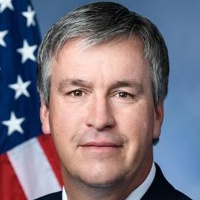
Barry Moore
Representative
AL
Barry Moore
Representative
AL
The Farmers’ Market Expansion Act of 2025 amends the Seniors Farmers' Market Nutrition Program to enhance purchasing options for seniors. This bill specifically updates the list of eligible foods under the program. The key change allows seniors to use their benefits to purchase tree nuts at participating farmers' markets.
This resolution formally recognizes the 250th anniversary of the United States Marine Corps, honoring its legacy, service, and core values.
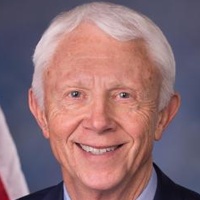
Jack Bergman
Representative
MI
Jack Bergman
Representative
MI
This resolution formally recognizes the upcoming 250th anniversary of the United States Marine Corps in 2025. Congress is honoring the Corps' long history, core values of honor, courage, and commitment, and its consistent readiness to defend the nation. The bill encourages the public to join in celebrating this significant milestone and acknowledging the service and sacrifice of all Marines.
The Paycheck Fairness Act strengthens equal pay enforcement by tightening defenses against pay discrimination, expanding protections against retaliation, increasing penalties for violations, and requiring comprehensive data collection and training initiatives.

Rosa DeLauro
Representative
CT
Rosa DeLauro
Representative
CT
The Paycheck Fairness Act significantly strengthens federal equal pay protections by broadening definitions of sex discrimination, tightening employer defenses against pay disparities, and increasing penalties for violations. It also prohibits employers from using salary history in hiring decisions and mandates new data collection by the EEOC to better enforce anti-discrimination laws. Furthermore, the bill establishes new training and outreach programs to combat systemic wage bias.
The FAIR Act of 2025 mandates that Medicare-funded residency programs report data on the application and acceptance rates of osteopathic and allopathic medical school graduates to ensure equitable treatment, with non-compliance resulting in Medicare payment penalties.
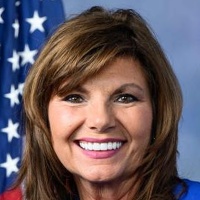
Diana Harshbarger
Representative
TN
Diana Harshbarger
Representative
TN
The Fair Access In Residency (FAIR) Act of 2025 aims to ensure equitable treatment of osteopathic (D.O.) and allopathic (M.D.) medical school graduates in residency applications. It requires hospitals receiving Medicare funds to report detailed data on D.O. and M.D. applicants and acceptances for each residency program. Hospitals failing to submit this required data will face a 2% reduction in their Medicare payments. This collected data will also be made publicly available to promote transparency in the residency recruitment process.
This bill officially ratifies the Equal Rights Amendment, validating its inclusion in the Constitution regardless of any prior ratification deadlines.
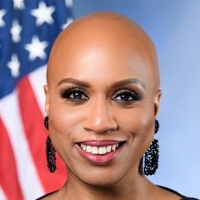
Ayanna Pressley
Representative
MA
Ayanna Pressley
Representative
MA
This bill officially ratifies the Equal Rights Amendment, declaring it a valid part of the U.S. Constitution. It specifically removes any previously imposed deadlines for state ratification. If three-fourths of the states have approved the amendment, this law confirms its official status regardless of past time constraints.
This Act increases the maximum financial assistance available to disabled veterans for necessary in-home structural improvements and mandates annual inflation adjustments to certain benefit amounts.
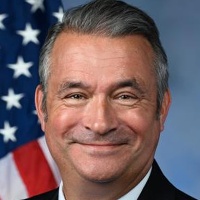
Don Bacon
Representative
NE
Don Bacon
Representative
NE
The Autonomy for Disabled Veterans Act increases the maximum financial assistance available to disabled veterans for necessary home improvements related to their health services. This legislation raises the existing benefit caps to provide greater support for accessibility modifications. Furthermore, it mandates annual adjustments to a specific benefit amount based on the rate of inflation to ensure continued relevance.
This Act establishes a presumption of service connection for certain diseases in military veterans who served five or more years as firefighters, making it easier to obtain VA disability benefits.
Don Bacon
Representative
NE
Don Bacon
Representative
NE
The Michael Lecik Military Firefighters Protection Act aims to ease the process for military veterans who served as firefighters to receive VA disability benefits for certain illnesses. This bill establishes a presumption of service connection for specific heart and various cancers if the veteran served five or more years in a firefighting role. If the qualifying illness is rated at 10% or more disabling and manifests within 15 years of service separation, the VA must presume it is service-connected.
The Puppy Protection Act of 2025 establishes stricter housing, daily care, veterinary, and breeding standards for dog dealers under the Animal Welfare Act.
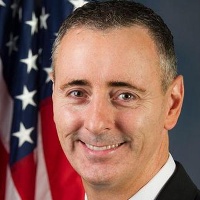
Brian Fitzpatrick
Representative
PA
Brian Fitzpatrick
Representative
PA
The Puppy Protection Act of 2025 significantly increases humane treatment standards for dog dealers under the Animal Welfare Act. This legislation mandates specific minimum space requirements, daily exercise access, and mandatory socialization for housed dogs. Furthermore, it establishes strict limits on female dog breeding frequency and age, alongside enhanced veterinary care protocols.
The House of Representatives affirms every person's basic right to emergency health care, including abortion care.
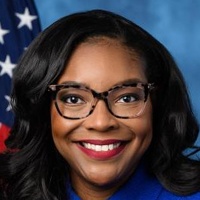
Emilia Sykes
Representative
OH
Emilia Sykes
Representative
OH
This bill affirms the House of Representatives' belief that every person has the right to emergency health care, including abortion care. It argues that abortion restrictions endanger lives, force doctors to make impossible choices, and disproportionately harm people of color, low-income individuals, and LGBTQI individuals. The bill emphasizes that delays in emergency care due to abortion bans can lead to life-threatening situations and that everyone, including pregnant individuals, should have access to necessary medical care without discrimination.
Formally establishes U.S. policy to recognize Ukraine's sovereignty and territorial integrity within its 1991 internationally recognized borders, while condemning Russia's occupation of Ukrainian territories.
Brian Fitzpatrick
Representative
PA
Brian Fitzpatrick
Representative
PA
This bill affirms the U.S. government's recognition of Ukraine's sovereignty, independence, and territorial integrity within its internationally recognized 1991 borders. It condemns Russia's occupation and annexation of Ukrainian territories as violations of international law. The bill also establishes the official policy of the U.S. government to reject Russia's claims over occupied Ukrainian territories.
This bill extends the Medicare ground ambulance payment pilot program through 2028 to ensure continued patient access to these essential medical services.
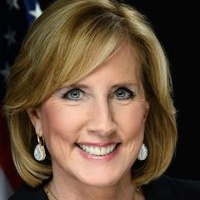
Claudia Tenney
Representative
NY
Claudia Tenney
Representative
NY
The Protecting Access to Ground Ambulance Medical Services Act of 2025 extends the current Medicare payment structure for ground ambulance services. This change ensures continuity in how these vital services are reimbursed under existing rules. Specifically, the temporary payment pilot program is extended through 2028, preventing an immediate change in payment policy.
The Innovative FEED Act of 2025 establishes a new regulatory pathway under the FDA for substances added to animal food intended to modify digestive byproducts, reduce foodborne pathogens, or alter gut function without providing nutrition.
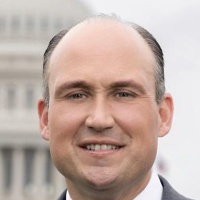
Nicholas Langworthy
Representative
NY
Nicholas Langworthy
Representative
NY
The Innovative FEED Act of 2025 establishes a new regulatory category for "zootechnical animal food substances" intended to modify animal digestive byproducts or reduce foodborne pathogens without treating disease. This bill mandates that these new substances must undergo the standard food additive approval process with the FDA, requiring petitioners to provide extensive data on their intended effects. Approval is contingent upon proving the substance achieves its claimed function under proposed use conditions, and all resulting animal food must carry a specific disclaimer stating it is not for disease treatment.
This bill restores protections to prevent private health insurance plans from discriminating against dialysis patients with End-Stage Renal Disease (ESRD) or shifting their treatment costs unfairly onto Medicare.
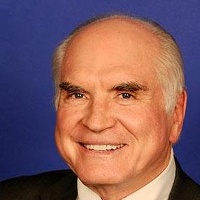
Mike Kelly
Representative
PA
Mike Kelly
Representative
PA
The Restore Protections for Dialysis Patients Act aims to prevent private health insurance plans from discriminating against patients with End-Stage Renal Disease (ESRD). This legislation clarifies that plans cannot offer worse benefits or unfairly limit coverage for dialysis treatments compared to other medical services. Furthermore, it stops these plans from shifting the primary financial responsibility for ESRD care onto Medicare. The bill maintains existing rules ensuring fair treatment while preserving a health plan's ability to select its network of dialysis providers.