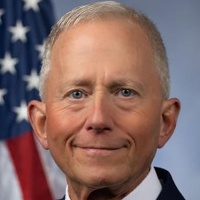
Legislative Activity
Track Jefferson's sponsored bills, co-sponsored legislation, and voting record
The Dismantle DEI Act of 2025 immediately rescinds federal diversity, equity, and inclusion (DEI) mandates across executive offices, contracting, grants, and education, while banning related training and imposing penalties for non-compliance.
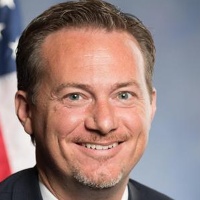
Michael Cloud
Representative
TX
Michael Cloud
Representative
TX
The Dismantle DEI Act of 2025 aims to immediately rescind diversity, equity, and inclusion (DEI) mandates across the federal government, including shutting down related offices and banning specific ideological training for federal personnel and contractors. The bill prohibits the use of federal funds for DEI activities by grant recipients and mandates that federal advisory committees cease all such practices or face termination. Furthermore, it establishes strong enforcement mechanisms, allowing individuals to sue violators and seek financial penalties for non-compliance.
This bill provides a 6.62 percent Medicare payment increase for physicians and practitioners from April through December 2025 to help stabilize medical practices.
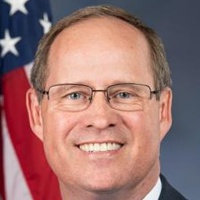
Gregory Murphy
Representative
NC
Gregory Murphy
Representative
NC
The Medicare Patient Access and Practice Stabilization Act of 2025 aims to support healthcare providers by extending Medicare payment adjustments through the end of 2025. Specifically, the bill provides a 6.62 percent payment increase for services rendered between April 1, 2025, and December 31, 2025, to help practitioners adjust to evolving Medicare payment policies.
This bill proposes a constitutional amendment to prohibit non-citizens from voting in any federal, state, tribal, or local election in the United States, granting Congress the power to enforce this amendment.
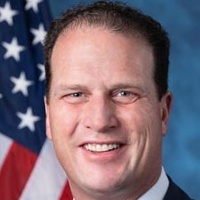
August Pfluger
Representative
TX
August Pfluger
Representative
TX
This bill proposes a constitutional amendment to prohibit non-citizens from voting in any federal, state, tribal, or local election in the United States. It grants Congress the authority to enforce this amendment. For the amendment to be valid, it must be ratified by three-fourths of the state legislatures within seven years of its submission.
This bill prohibits state and local jurisdictions from employing non-U.S. citizens to administer federal elections.
August Pfluger
Representative
TX
August Pfluger
Representative
TX
The "No Foreign Persons Administering Our Elections Act" prohibits state and local jurisdictions from hiring non-U.S. citizens to administer federal elections. This legislation ensures that only U.S. citizens are responsible for the management and oversight of the federal electoral process.
This bill directs the U.S. Holocaust Memorial Museum to conduct a comprehensive study and report to Congress on the current state and effectiveness of Holocaust education in public elementary and secondary schools across the United States.
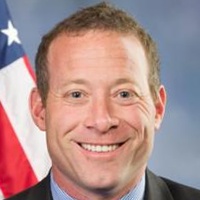
Josh Gottheimer
Representative
NJ
Josh Gottheimer
Representative
NJ
The Holocaust Education and Antisemitism Lessons Act directs the U.S. Holocaust Memorial Museum to conduct a comprehensive study of Holocaust education in public elementary and secondary schools across the United States. This study will evaluate current curriculum standards, teaching methods, and available resources to identify gaps and improve how students learn about the Holocaust and the history of antisemitism. The findings will be compiled into a report submitted to Congress to help strengthen educational efforts in preventing hate and bigotry.
This bill expresses the House of Representatives' desire to keep the United States Postal Service (USPS) as an independent entity within the Federal Government, protecting it from privatization. It emphasizes the USPS's importance to the mailing industry, its role in connecting communities, and the potential negative impacts of privatization on prices, services, and infrastructure.
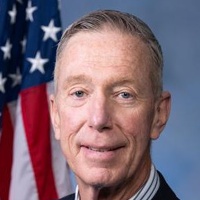
Stephen Lynch
Representative
MA
Stephen Lynch
Representative
MA
This bill expresses the House of Representatives' view that Congress should act to maintain the United States Postal Service (USPS) as an independent entity within the Federal Government. It emphasizes the USPS's role as a self-sustaining service vital to the economy and national connectivity. The resolution discourages privatization, citing concerns about increased costs, reduced services, and damage to critical infrastructure.
The RELIEVE Act expands veteran eligibility for emergency care reimbursement by waiving the requirement for recent VA treatment for those within their first 60 days of enrollment.
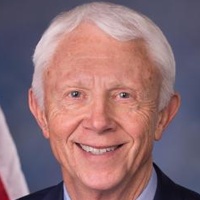
Jack Bergman
Representative
MI
Jack Bergman
Representative
MI
The RELIEVE Act expands reimbursement eligibility for veterans who receive emergency care at non-VA facilities. It removes the requirement that a veteran must have recently received VA care to qualify for coverage, provided the emergency treatment occurs within 60 days of their initial VA enrollment.
The PROTECTS Act of 2025 prohibits the use of federal funds for gender transition surgeries, hormone therapies, and puberty blockers for minors, with specific medical exceptions.
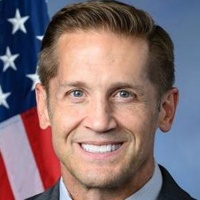
Rich McCormick
Representative
GA
Rich McCormick
Representative
GA
The PROTECTS Act of 2025 prohibits the use of federal funds to provide, refer, or reimburse gender transition procedures—including surgeries, hormone therapies, and puberty blockers—for individuals under the age of 18. The bill includes specific exceptions for medically necessary treatments related to genetic disorders of sex development or other physical health conditions.
This bill amends the Internal Revenue Code to require taxpayers to provide valid, work-authorized Social Security numbers for themselves and their qualifying children to claim the Child Tax Credit and Earned Income Tax Credit.
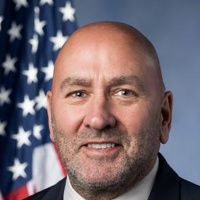
Clay Higgins
Representative
LA
Clay Higgins
Representative
LA
The Safeguarding American Workers’ Benefits Act updates eligibility requirements for the Child Tax Credit and the Earned Income Tax Credit. It mandates that taxpayers and qualifying children provide a valid Social Security number—issued to a U.S. citizen or work-authorized noncitizen—before the tax return due date to claim these benefits. These changes are set to take effect for tax years beginning after December 31, 2025.
The Build the Wall Act of 2025 mandates the construction and maintenance of physical barriers along the U.S. southern border by repurposing unobligated COVID-19 relief funds.
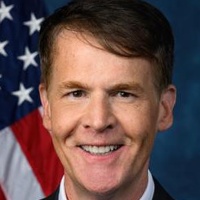
Jefferson Shreve
Representative
IN
Jefferson Shreve
Representative
IN
The Build the Wall Act of 2025 establishes a dedicated Treasury fund to finance the construction and maintenance of physical barriers along the U.S. southern border. The legislation mandates that this initiative be funded by reallocating all unobligated Coronavirus State and local fiscal recovery funds.
The Federal Firefighters Families First Act aims to improve pay equity, cap the regular workweek at 60 hours, and include scheduled overtime in retirement benefit calculations for federal firefighters.

Gerald Connolly
Representative
VA
Gerald Connolly
Representative
VA
The Federal Firefighters Families First Act aims to improve pay equity, recruitment, and retention for federal firefighters by modernizing pay computation and establishing a maximum 60-hour regular workweek. Additionally, the bill ensures that regularly scheduled overtime is included in the calculation of federal retirement annuities. These measures seek to align federal firefighter compensation more closely with municipal standards and provide greater financial security for their families.
The CBO Show Your Work Act mandates that the Congressional Budget Office publicly release the models, data, and computational details used in its legislative cost estimates to ensure transparency and independent replicability.
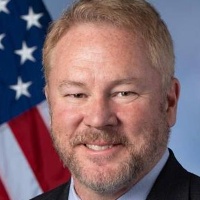
Warren Davidson
Representative
OH
Warren Davidson
Representative
OH
The CBO Show Your Work Act mandates that the Congressional Budget Office publicly release the models, data, and computational details used to estimate the fiscal and economic impacts of legislation. By requiring transparency and replicability, the bill ensures that outside parties can independently verify CBO findings. It also establishes clear protocols for handling confidential data to maintain privacy while maximizing public access to information.
The Born-Alive Abortion Survivors Protection Act requires health care practitioners to provide the same level of care to infants born alive after an abortion attempt as they would to any other newborn, mandating immediate hospitalization and imposing penalties for violations, while protecting the mother from prosecution. It also allows the mother of a child born alive to file a civil action against anyone who violated the act.
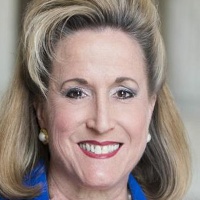
Ann Wagner
Representative
MO
Ann Wagner
Representative
MO
The "Born-Alive Abortion Survivors Protection Act" ensures that infants born alive after an abortion receive the same medical care as any other newborn, mandating immediate hospitalization and requiring healthcare practitioners to report any failures to comply. Violators face fines, imprisonment, and potential prosecution for homicide or attempted homicide, while the mother of the child cannot be prosecuted. The bill also allows the woman who had the abortion to file a civil action against anyone who violated the act. It defines abortion and attempts at abortion, and renames "Partial-Birth Abortions" to "Abortions" in relevant sections of the U.S. Code.
This bill establishes a three-year pilot program to improve health outcomes and care coordination for veterans enrolled in both the VA health care system and Medicare.
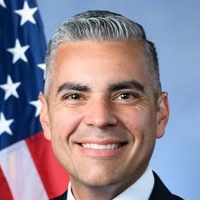
Juan Ciscomani
Representative
AZ
Juan Ciscomani
Representative
AZ
The Coordinating Care for Senior Veterans and Wounded Warriors Act establishes a three-year pilot program to improve health outcomes and care coordination for veterans enrolled in both VA health care and Medicare. By utilizing dedicated case managers and private sector care models, the program aims to streamline access to services, reduce costs, and eliminate gaps in care. The initiative will be implemented across select regions, including rural and medically underserved areas, to ensure better integration between VA and Medicare systems.
The End Unaccountable Amnesty Act reforms immigration policy by restricting executive authority over Temporary Protected Status and parole, tightening eligibility for unaccompanied children, repealing cancellation of removal, and prohibiting the use of certain government documents for air travel.
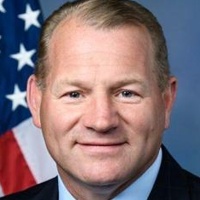
Troy Nehls
Representative
TX
Troy Nehls
Representative
TX
The **End Unaccountable Amnesty Act** seeks to restrict executive authority over immigration by shifting Temporary Protected Status (TPS) and parole designations to congressional oversight. The bill also tightens eligibility for unaccompanied minors, repeals "cancellation of removal" as a form of immigration relief, and prohibits the use of certain DHS-issued documents for air travel. Additionally, it imposes strict annual caps on parole grants and mandates the removal of sponsors who are unlawfully present in the United States.
The Main Street Tax Certainty Act makes the 20% pass-through business income deduction permanent by removing its scheduled expiration after 2025.
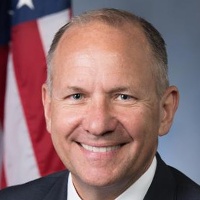
Lloyd Smucker
Representative
PA
Lloyd Smucker
Representative
PA
The Main Street Tax Certainty Act makes the 20% pass-through business income deduction permanent. By removing the current 2025 expiration date, this legislation ensures long-term tax relief for owners of qualified pass-through entities.
The 911 SAVES Act mandates the reclassification of public safety telecommunicators as "Protective Service Occupations" within the federal Standard Occupational Classification system to accurately reflect their critical role in emergency response.
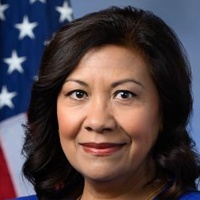
Norma Torres
Representative
CA
Norma Torres
Representative
CA
The 911 SAVES Act mandates that the Office of Management and Budget reclassify public safety telecommunicators as "Protective Service Occupations" within the federal Standard Occupational Classification system. This legislation recognizes the critical, high-stress, and lifesaving nature of 911 dispatchers, correcting their current misclassification to better reflect their essential role in emergency response.
The ALIGN Act permanently establishes 100 percent bonus depreciation for qualified business property, eliminating scheduled phase-downs to encourage long-term capital investment.
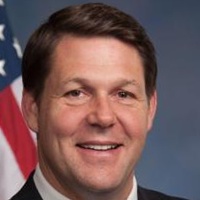
Jodey Arrington
Representative
TX
Jodey Arrington
Representative
TX
The ALIGN Act makes 100% "bonus depreciation" permanent for qualified business property, eliminating scheduled phase-downs to encourage long-term capital investment. By allowing businesses to fully expense these investments immediately, the bill provides a consistent tax incentive for growth. These changes apply retroactively to ensure stability for businesses that have invested in equipment and property since 2017.
This bill prohibits states from providing full Medicaid coverage to individuals who are not lawfully admitted for permanent residence, limiting their eligibility to emergency medical services only.
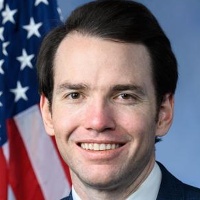
Kevin Kiley
Representative
CA
Kevin Kiley
Representative
CA
The "No Medicaid for Illegal Immigrants Act of 2025" prohibits states from providing full Medicaid coverage to individuals who are not lawfully admitted for permanent residence. Under this legislation, state-funded medical assistance for these individuals would be restricted exclusively to federally qualified emergency care.
This bill increases the railroad track maintenance tax credit, introduces annual inflation adjustments, and extends the eligibility period for qualifying expenditures.
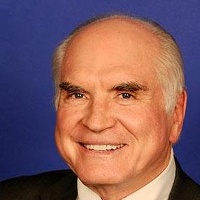
Mike Kelly
Representative
PA
Mike Kelly
Representative
PA
This bill amends the Internal Revenue Code to expand the railroad track maintenance credit by increasing the per-mile tax credit to $6,100 and implementing annual inflation adjustments starting in 2026. It also extends the eligibility window for qualifying maintenance expenditures to include costs incurred through 2023. These updates aim to provide greater financial support for ongoing railroad infrastructure improvements.