Legislative Activity
Track Jefferson's sponsored bills, co-sponsored legislation, and voting record
This bill provides veterans who served at the Nevada Test and Training Range between 1972 and 2005 with presumptive service connection for certain conditions related to radiation and toxic exposure.
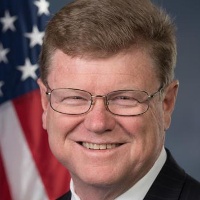
Mark Amodei
Representative
NV
Mark Amodei
Representative
NV
This bill amends Title 38 of the U.S. Code to establish presumptions regarding radiation and toxin exposure for veterans who served at the Nevada Test and Training Range between 1972 and 2005, excluding Nellis and Creech Air Force Bases. It recognizes certain activities at the range as radiation-risk activities and presumes exposure to toxins for veterans stationed there during the specified period. Additionally, it establishes a presumption of service connection for lipomas and tumor-related conditions for these veterans.
This bill designates the Honor and Remember Flag as the official national symbol recognizing fallen members of the U.S. Armed Forces and mandates its display at various federal locations on specific holidays.
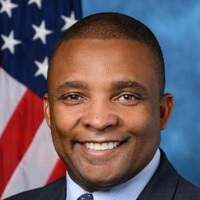
Donald Davis
Representative
NC
Donald Davis
Representative
NC
The Honor and Remember Flag Recognition Act designates the Honor and Remember Flag as the official national symbol recognizing members of the U.S. Armed Forces who die in the line of duty. It mandates the flag's display at various federal locations on specific holidays, including Armed Forces Day, Memorial Day, and Veterans Day. The bill requires relevant departments to establish regulations for flag display and directs the General Services Administration to procure and distribute the flags.
The DRIVE Act of 2025 mandates that the VA increase veteran travel reimbursement rates to match the federal employee mileage rate and ensures veterans receive these payments within 90 days of submitting a complete claim.
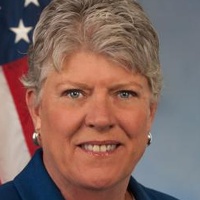
Julia Brownley
Representative
CA
Julia Brownley
Representative
CA
The DRIVE Act of 2025 ensures that the Department of Veterans Affairs (VA) travel reimbursement rate for veterans' medical appointments will never fall below the standard federal employee mileage rate. This legislation mandates that the VA must process and pay these mileage allowances within 90 days of a veteran submitting a complete request. Essentially, the bill aims to increase equity and speed in compensating veterans for necessary travel to VA healthcare.
Mandates that schools receiving federal funds require daily Pledge of Allegiance recitation, display the U.S. flag in every classroom, and provide education on flag history, while allowing individuals to abstain for religious or personal reasons.
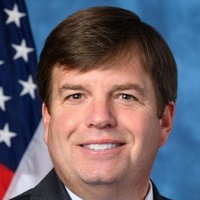
Dale Strong
Representative
AL
Dale Strong
Representative
AL
The "Promoting American Patriotism In Our Schools Act" mandates that schools receiving federal funds must require daily Pledge of Allegiance recitation, prominently display the U.S. flag in classrooms and gyms, and provide education on the flag's history. Individuals can abstain from reciting the Pledge for religious or personal reasons. Non-compliant schools will face enforcement by the Secretary.
The "Death Tax Repeal Act" eliminates estate and generation-skipping transfer taxes, adjusts gift tax calculations, and sets a $10,000,000 lifetime gift exemption.
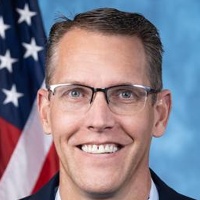
Randy Feenstra
Representative
IA
Randy Feenstra
Representative
IA
The "Death Tax Repeal Act" eliminates both estate and generation-skipping transfer taxes, effective from the date of enactment. It adjusts gift tax calculations by setting the lifetime gift exemption at $10,000,000, with inflation adjustments after 2011. The Act also includes transitional rules for applying certain sections of the Internal Revenue Code during the enactment year.
Prohibits securities exchanges from processing transactions involving securities issued by "natural asset companies" that manage land for conservation and ecological performance.
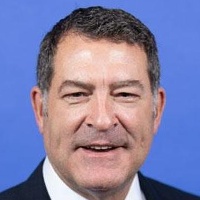
Mark Green
Representative
TN
Mark Green
Representative
TN
The "Protect America's Lands Act" prevents national securities exchanges from handling transactions of securities issued by "natural asset companies." These companies manage land for conservation and aim to enhance the value of natural assets and ecosystem services. The bill defines specific criteria for what constitutes a "natural asset company" to ensure the prohibition is appropriately applied.
The "More Homes on the Market Act" increases the tax exclusion for profit from the sale of a primary residence, incentivizing homeowners to sell and increasing housing supply.
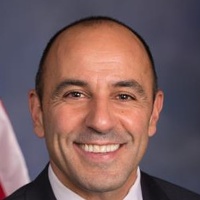
Jimmy Panetta
Representative
CA
Jimmy Panetta
Representative
CA
The "More Homes on the Market Act" increases the tax exclusion for profit from the sale of a primary residence, raising it to $500,000 for single filers and $1,000,000 for married couples filing jointly. These amounts will be adjusted for inflation starting in 2025. This change encourages homeowners to sell their properties, thereby increasing the availability of homes on the market.
Reauthorizes the Delaware River Basin Restoration Program through 2032, expanding its scope to include Maryland and prioritizing projects benefiting underserved communities.
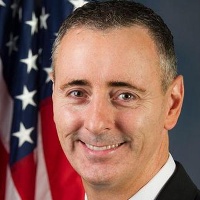
Brian Fitzpatrick
Representative
PA
Brian Fitzpatrick
Representative
PA
The "Delaware River Basin Restoration Program Reauthorization Act of 2025" reauthorizes and modifies the Delaware River Basin Conservation Program. It broadens the definition of the Basin to include Maryland, allows prioritization of funding for projects benefiting small, rural, or disadvantaged communities, and extends the program's operation until 2032.
This resolution expresses Congressional opposition to imposing new performance fees or royalties on local radio stations and businesses for broadcasting or playing music.
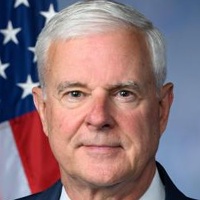
Steve Womack
Representative
AR
Steve Womack
Representative
AR
The Local Radio Freedom Act expresses Congressional opposition to imposing new performance fees, taxes, or royalties on local radio stations and businesses for playing music. It argues that the current system of free airplay provides essential promotional value to artists and that new fees would threaten the financial viability of local broadcasters and the vital community services they provide.
Prohibits banks and credit card companies from using specific codes that identify gun and ammunition stores.
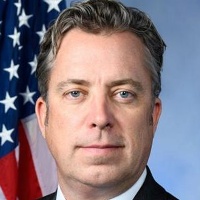
Andrew Ogles
Representative
TN
Andrew Ogles
Representative
TN
The "Protecting the Second Amendment in Financial Services Act" prevents banks and credit card companies from using specific merchant codes that would identify businesses selling firearms or ammunition. This ensures that financial institutions cannot track or discriminate against legal firearm-related transactions.
The "Ensuring Continuity in Veterans Health Act" amends the Veterans Community Care Program to prioritize continuous healthcare for veterans.
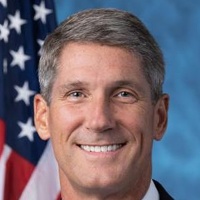
C. Franklin
Representative
FL
C. Franklin
Representative
FL
The "Ensuring Continuity in Veterans Health Act" prioritizes uninterrupted healthcare for veterans. It amends the Veterans Community Care Program to specifically consider continuity of care when making decisions about veterans' healthcare services. This ensures veterans can maintain consistent relationships with healthcare providers and receive seamless, ongoing treatment.
The United States-Israel Defense Partnership Act of 2025 bolsters defense cooperation between the U.S. and Israel through joint programs, funding increases, and extended authorities related to countering unmanned systems, anti-tunnel technology, emerging technologies, and war reserve stockpiles, while also exploring Israel's inclusion in the national technology and industrial base and assessing integrated air and missile defense in the CENTCOM region.
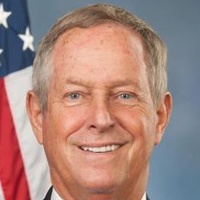
Joe Wilson
Representative
SC
Joe Wilson
Representative
SC
The United States-Israel Defense Partnership Act of 2025 seeks to bolster the defense relationship between the United States and Israel through joint initiatives and increased cooperation. It establishes programs to counter unmanned systems, extend anti-tunnel and counter-UAS cooperation, and promote collaboration in emerging technologies like AI and cybersecurity. The act also mandates the establishment of a Defense Innovation Unit office in Israel and assesses integrated air and missile defense in the U.S. Central Command region. Finally, it explores Israel's potential inclusion in the national technology and industrial base.
The Long-Term Care Transparency Act mandates annual reports to Congress summarizing findings from state Long-Term Care Ombudsman programs, enhancing oversight and transparency in long-term care.
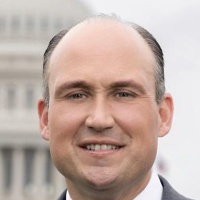
Nicholas Langworthy
Representative
NY
Nicholas Langworthy
Representative
NY
The Long-Term Care Transparency Act mandates the Assistant Secretary to produce an annual report for the Senate and House committees. This report will summarize findings from submitted reports under section 712(h). The goal of this act is to increase transparency in long-term care facilities.
Reauthorizes and amends the PROTECT Our Children Act to bolster efforts against child exploitation and internet crimes, including updating national strategies, expanding task force programs, and increasing funding.
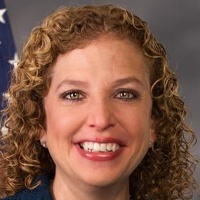
Debbie Wasserman Schultz
Representative
FL
Debbie Wasserman Schultz
Representative
FL
The PROTECT Our Children Reauthorization Act of 2025 reauthorizes and amends the PROTECT Our Children Act of 2008, enhancing efforts to combat child exploitation and internet crimes against children. It updates the National Strategy for Child Exploitation Prevention, expands the ICAC Task Force Program to include Tribal and military entities, and prioritizes investigations likely to rescue children. The act authorizes increased appropriations over the next three fiscal years and mandates that a significant portion of funds support the ICAC Task Force Program through grants. Additionally, it encourages digital forensic examinations, effective prosecutions, and the establishment of a National Internet Crimes Against Children Data System.
The Honoring Our Fallen Heroes Act of 2025 expands public safety officer benefits to include disability and death coverage for certain cancers presumed to be caused by on-duty exposure to carcinogens, and clarifies "line of duty" definitions for first responder benefits.
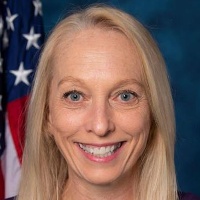
Mary Scanlon
Representative
PA
Mary Scanlon
Representative
PA
The Honoring Our Fallen Heroes Act of 2025 expands public safety officer benefits to include deaths and disabilities caused by exposure-related cancers, presuming that certain cancers diagnosed within 15 years of service are line-of-duty injuries if the officer served for at least 5 years. It defines "exposure-related cancer" and allows for updates to the list based on medical evidence, while also permitting individuals to petition for additions. The Act also clarifies "line of duty action" and applies retroactively to claims dating back to January 1, 2020, with a three-year window for filing claims based on these amendments.
The "Safe Shelters Act of 2025" aims to protect emergency shelters by prohibiting sex offenders from entering undesignated shelters, requiring them to notify shelter operators of their status, and allowing FEMA to designate specific shelters for sex offenders during disasters.
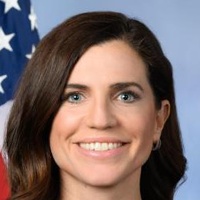
Nancy Mace
Representative
SC
Nancy Mace
Representative
SC
The Safe Shelters Act of 2025 prohibits registered sex offenders from entering undesignated emergency shelters, requiring them to use designated shelters instead. It mandates sex offenders to notify shelter operators of their registry status and directs operators to inform them about designated shelter options. FEMA is authorized to designate Federal buildings or prisons as shelters for sex offenders during disasters and must provide information on designated shelters to all undesignated shelter operators. Violators of this act may face fines and/or imprisonment.
This bill prohibits unauthorized workers' wages and self-employment income from being used to calculate Social Security benefits.

John Moolenaar
Representative
MI
John Moolenaar
Representative
MI
The "No Social Security for Illegal Aliens Act of 2025" amends the Social Security Act to exclude wages and self-employment income earned by unauthorized aliens in the U.S. from being used to calculate Social Security benefits. This change applies to income earned both before, on, and after the law's enactment, with benefit adjustments taking effect after enactment. The Social Security Administration will recalculate insurance amounts to reflect these changes.
The SAFE Act amends the Social Security Act to include physical and occupational therapy benefits in Medicare annual wellness visits and initial preventive physical exams and requires the Secretary of Health and Human Services to submit an annual report to Congress regarding falls experienced by individuals aged 65 and older.
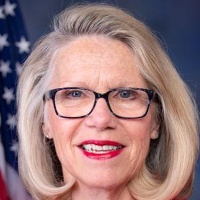
Carol Miller
Representative
WV
Carol Miller
Representative
WV
The SAFE Act amends the Social Security Act to include physical and occupational therapy benefits in Medicare annual wellness visits and initial preventive physical exams starting in 2026 for individuals determined to have fallen in the previous year. It mandates that these individuals receive falls risk assessments, fall prevention services, and outpatient therapy services. Additionally, the Act requires the Secretary of Health and Human Services to submit annual reports to Congress on falls experienced by individuals aged 65 and older.
The "Improve and Enhance the Work Opportunity Tax Credit Act" modifies the Work Opportunity Tax Credit by adjusting wage limitations, removing age restrictions for certain beneficiaries, and revising credit calculations to incentivize employment.
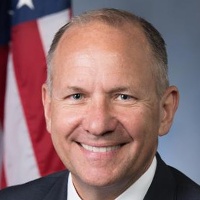
Lloyd Smucker
Representative
PA
Lloyd Smucker
Representative
PA
The "Improve and Enhance the Work Opportunity Tax Credit Act" amends the Internal Revenue Code to modify the Work Opportunity Tax Credit, changing the calculation and wage limitations based on employee categories and hours worked. It increases wage limitations for qualified veterans and revises rules for summer youth employees and long-term family assistance recipients. Additionally, the act removes the age limit for qualified supplemental nutrition assistance program benefits recipients, with these changes taking effect for individuals starting work after December 31, 2024.
The Payment Choice Act of 2025 ensures that retail businesses accepting in-person payments cannot refuse cash for transactions under $500, with certain exceptions and enforcement mechanisms.
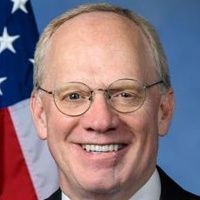
John Rose
Representative
TN
John Rose
Representative
TN
The Payment Choice Act of 2025 ensures that retail businesses accepting in-person payments cannot refuse cash for transactions under $500, preventing them from charging cash-paying customers more. It outlines specific exceptions, such as temporary system failures or providing fee-free cash-to-prepaid card converters, and allows for inactivity fees on prepaid cards under certain conditions. The bill also includes enforcement mechanisms, allowing customers to take legal action against businesses in violation and establishing penalties for non-compliance. For the first 5 years, businesses are only required to accept bills up to $20.