Legislative Activity
Track Jefferson's sponsored bills, co-sponsored legislation, and voting record
This resolution recognizes the 80th anniversary of the Fulbright Program and celebrates its enduring impact on international diplomacy, education, and cultural exchange.
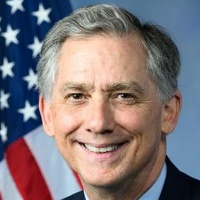
J. Hill
Representative
AR
J. Hill
Representative
AR
This resolution recognizes the 80th anniversary of the Fulbright Program, celebrating its legacy of promoting international goodwill through educational and cultural exchange. It highlights the program's significant global impact and its role in advancing U.S. foreign policy and national security. Furthermore, the bill encourages continued congressional support for these exchanges and honors the achievements of Fulbright alumni worldwide.
The FASTER Act of 2026 mandates the labeling of barley, rye, and oats as major food allergens and requires a comprehensive federal report on the prevalence, treatment, and management of Celiac disease.
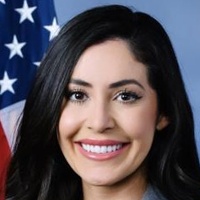
Anna Luna
Representative
FL
Anna Luna
Representative
FL
The FASTER Act of 2026 expands food labeling requirements to include barley, rye, and oats as major food allergens, ensuring greater transparency for consumers. Additionally, the bill mandates a comprehensive federal report on Celiac disease to improve data collection, diagnostic testing, and the development of new treatments.
This bill reauthorizes the Accelerating Access to Critical Therapies for ALS Act through 2031 while enhancing grant oversight, safety reporting requirements, and FDA strategic planning for rare neurodegenerative diseases.

Mike Quigley
Representative
IL
Mike Quigley
Representative
IL
The Accelerating Access to Critical Therapies for ALS Reauthorization Act of 2026 extends vital funding for ALS research and clinical trial programs through 2031. This legislation strengthens oversight by enhancing grant review processes, improving safety reporting requirements, and mandating a comprehensive five-year FDA action plan to accelerate the development of treatments for rare neurodegenerative diseases.
The ORTHO Act mandates in-person dental examinations before the provision of most teledentistry services and establishes federal and state enforcement mechanisms to ensure patient safety.
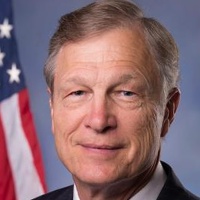
Brian Babin
Representative
TX
Brian Babin
Representative
TX
The ORTHO Act mandates that dentists conduct an in-person examination before providing teledentistry services, with limited exceptions for emergent care, public health programs, and initial orthodontic diagnoses. The bill empowers the Federal Trade Commission and state attorneys general to enforce these safety standards, treating violations as unfair or deceptive acts. By requiring professional clinical oversight, the legislation ensures that remote dental care meets established safety and diagnostic requirements.
The Public Safety Officers’ Benefits Enhancement Act of 2026 simplifies the claims process for survivors by expanding the qualifying window for heart-related duty deaths and removing barriers to benefit eligibility.
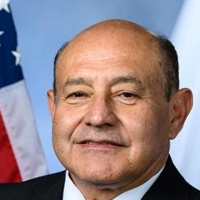
J. Correa
Representative
CA
J. Correa
Representative
CA
The Public Safety Officers’ Benefits Enhancement Act of 2026 simplifies the process for survivors to receive death benefits following an officer's heart attack or stroke. It removes barriers by eliminating the use of pre-existing health conditions as a basis for claim denial and extends the qualifying window for duty-related events from 24 to 72 hours. These changes ensure that families receive support more efficiently by strengthening the presumption that such medical events are connected to an officer's service.
This bill officially renames the United States Postal Service facility in Willingboro, New Jersey, as the "James A. Cotten Post Office."
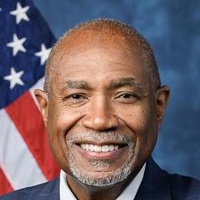
Herbert Conaway
Representative
NJ
Herbert Conaway
Representative
NJ
This bill officially designates the United States Postal Service facility located at 16 Rev Dr Martin Luther King Jr Drive in Willingboro, New Jersey, as the "James A. Cotten Post Office." This action ensures the facility will be formally known by this name in all federal records and documents.
This bill establishes a federal standard requiring large industrial electricity customers to fully cover the costs of necessary utility infrastructure upgrades and provide financial assurances before construction begins.
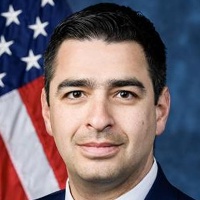
Gabe Evans
Representative
CO
Gabe Evans
Representative
CO
The Ratepayer Protection Act establishes a new federal standard requiring electric utilities to ensure large industrial customers (100 MW or more) fully cover the costs of necessary infrastructure upgrades. This mandates that large-load customers provide financial assurances before construction begins, protecting existing ratepayers from bearing the risk of future contract terminations. States must consider and adopt this standard within two years, unless they have already implemented similar requirements.
The "Combating Illicit Xylazine Act" aims to combat the misuse of xylazine by adding it to Schedule III of the Controlled Substances Act, tracking its distribution, and ensuring appropriate penalties for related offenses, while also protecting legitimate veterinary use.
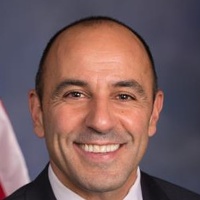
Jimmy Panetta
Representative
CA
Jimmy Panetta
Representative
CA
The "Combating Illicit Xylazine Act" aims to combat the illegal use of xylazine by adding it to Schedule III of the Controlled Substances Act, which would allow for increased regulation and tracking of the substance. The bill includes exemptions and delayed effective dates for certain requirements to ease the transition for legitimate users, such as veterinarians and animal handlers. It also directs the Sentencing Commission to review sentencing guidelines for xylazine-related offenses and mandates reports to Congress on the prevalence and impact of illicit xylazine use. Finally, it will include xylazine in Arcos tracking.
This bill prohibits the Department of Labor from finalizing, implementing, or enforcing the proposed rule regarding heat injury and illness prevention in outdoor and indoor work settings.
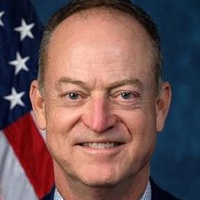
Mark Messmer
Representative
IN
Mark Messmer
Representative
IN
This act, the Heat Workforce Standards Act of 2025, prohibits the Secretary of Labor from finalizing, implementing, or enforcing the proposed rule regarding heat injury and illness prevention published in August 2024. This restriction extends to any future standard substantially similar to the one proposed.
This bill clarifies that a franchisor is only considered a joint employer of a franchisee's workers if it exercises substantial, direct, and immediate control over essential terms of employment.
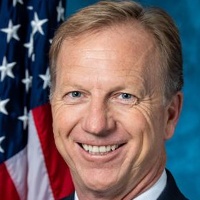
Kevin Hern
Representative
OK
Kevin Hern
Representative
OK
The American Franchise Act aims to protect the traditional franchise business model by clarifying the definition of a "joint employer." This legislation establishes that a franchisor is only considered a joint employer if it exercises "substantial direct and immediate control" over the essential terms of employment for a franchisee's workers. This change specifically targets liability risks associated with maintaining brand standards, ensuring franchisors are not automatically held responsible for local labor practices. The new standard applies prospectively to future legal proceedings.
This Act authorizes the Treasury to provide $3 billion in annual loans to the U.S. Victims of State Sponsored Terrorism Fund from 2027 to 2029 to ensure mandatory distributions to victims.
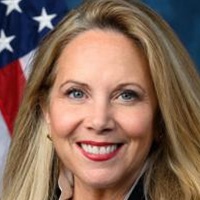
Laura Gillen
Representative
NY
Laura Gillen
Representative
NY
The Never Forget the Victims of Terrorism: Joseph D. Mistrulli and Alan Kleinberg USVSST Fund Solvency Act ensures the continued support of victims by authorizing the Treasury to loan $3 billion to the U.S. Victims of State Sponsored Terrorism Fund annually from 2027 through 2029. These funds are mandated for immediate distribution to eligible claimants, providing a critical financial bridge for those affected by state-sponsored terrorism. The act establishes a clear repayment structure for these loans, utilizing future civil and criminal penalties collected from state sponsors of terrorism.
The Fit Future Act establishes a President’s Council to advise on national strategies for promoting physical fitness, sports participation, and healthy nutrition among American youth.
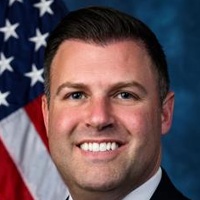
Ryan Mackenzie
Representative
PA
Ryan Mackenzie
Representative
PA
The Fit Future Act establishes the President’s Council on Sports, Fitness, and Nutrition to advise the administration on strategies for improving national health and physical activity. The Council is tasked with promoting youth fitness programs, addressing the national security implications of sedentary lifestyles, and fostering partnerships to encourage healthy habits across all levels of society.
This bill reauthorizes and updates federal vector-borne disease initiatives and grant programs through 2030 to improve the prevention, identification, and response to tick-borne illnesses.
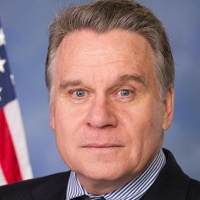
Christopher Smith
Representative
NJ
Christopher Smith
Representative
NJ
The Kay Hagan Tick Act reauthorization extends federal funding and support for vector-borne disease initiatives through 2030. This legislation updates national strategy requirements and enhances the capacity of regional centers and health departments to identify, prevent, and respond to tick-borne and other vector-borne illnesses.
The Choices for Increased Mobility Act of 2026 establishes new Medicare billing codes and payment standards for ultralightweight manual wheelchairs, including specific provisions for titanium and carbon fiber models.
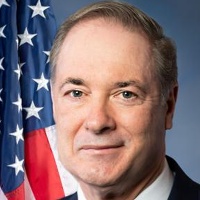
John Joyce
Representative
PA
John Joyce
Representative
PA
The Choices for Increased Mobility Act of 2026 updates Medicare coverage requirements for ultralightweight manual wheelchairs, effective January 1, 2028. The bill mandates the creation of distinct billing codes based on frame material, specifically allowing suppliers to charge patients the difference in cost for premium titanium or carbon fiber models. These provisions aim to provide clearer payment structures and enhanced transparency for patients selecting high-performance mobility equipment.
This bill officially designates the Department of Veterans Affairs community-based outpatient clinic in Newton, New Jersey, as the "Anthony 'Tony' J. Gallopo VA Clinic."
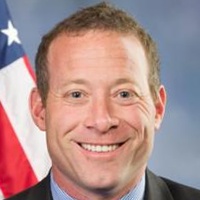
Josh Gottheimer
Representative
NJ
Josh Gottheimer
Representative
NJ
This bill officially designates the Department of Veterans Affairs community-based outpatient clinic in Newton, New Jersey, as the "Anthony 'Tony' J. Gallopo VA Clinic." All official federal documents and records will be updated to reflect this new name.
This Act establishes a comprehensive federal framework to improve diagnostic accuracy and safety by funding research, modernizing patient-reported safety data systems, and coordinating interagency efforts to reduce preventable medical errors.
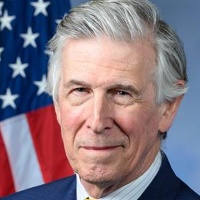
Donald Beyer
Representative
VA
Donald Beyer
Representative
VA
The *Saving Lives and Reducing Health Care Waste by Improving Diagnosis in Medicine Act* aims to reduce preventable patient harm and healthcare costs caused by diagnostic errors. The bill establishes a comprehensive federal research and quality improvement program, modernizes patient-safety reporting infrastructure, and promotes the use of data science and AI to enhance diagnostic accuracy. Additionally, it creates an interagency council to coordinate federal efforts and mandates new training and quality standards to ensure safer, more timely diagnoses across the U.S. healthcare system.
The Patients First Act of 2026 reforms Medicare physician payment systems to ensure more stable, predictable reimbursement for providers while improving patient access to primary care and value-based services.
John Joyce
Representative
PA
John Joyce
Representative
PA
The Patients First Act of 2026 is comprehensive legislation designed to stabilize Medicare physician payments, improve patient access to primary care, and transition the current quality reporting system to a more clinician-led framework. By modernizing reimbursement formulas, reducing financial volatility for providers, and increasing transparency in value-based care models, the bill aims to ensure a more sustainable and predictable healthcare environment. These reforms seek to lower out-of-pocket costs for patients while supporting the long-term viability of medical practices.
This bill mandates the use of facial recognition technology to verify that users of wagering and prediction market platforms are at least 18 years old while establishing comprehensive consumer protections and regulatory oversight for event contracts.
Josh Gottheimer
Representative
NJ
Josh Gottheimer
Representative
NJ
The Facial Recognition to Protect Children Act mandates that wagering and prediction market platforms use facial recognition technology to verify that all users are at least 18 years old. The bill also establishes a comprehensive regulatory framework for event contracts, tasking the Commodity Futures Trading Commission (CFTC) with enforcing strict consumer protections, anti-money laundering standards, and marketing restrictions. Additionally, it creates an Advisory Council on Consumer Protection and an Office of the Retail Advocate to oversee market integrity and safeguard retail participants.
This bill mandates electronic prior authorization, increases transparency through required data reporting, and establishes faster decision timelines for Medicare Advantage plans to improve timely access to care for seniors.
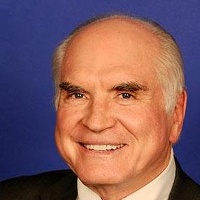
Mike Kelly
Representative
PA
Mike Kelly
Representative
PA
The Improving Seniors’ Timely Access to Care Act of 2025 aims to streamline and modernize the prior authorization process within Medicare Advantage plans. This bill mandates the adoption of electronic prior authorization systems and significantly increases transparency regarding approval rates and decision times starting in 2027. Furthermore, it establishes new enrollee protections and grants the Secretary authority to enforce faster decision timeframes for medical services.
This Act prohibits payment card networks and processors from assigning specific merchant category codes to identify firearms retailers, protecting the privacy of firearm and ammunition purchases.
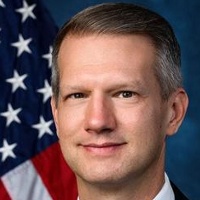
Riley Moore
Representative
WV
Riley Moore
Representative
WV
The Protecting Privacy in Purchases Act prohibits payment card networks and processors from assigning specific merchant category codes to firearms retailers. This legislation aims to protect consumer privacy by preventing the tracking of firearm and ammunition purchases through specialized financial classification. The Attorney General is tasked with enforcing these provisions and reporting annually on compliance.