Legislative Activity
Track Rashida's sponsored bills, co-sponsored legislation, and voting record
This bill repeals recent changes to Medicaid eligibility redetermination procedures, restoring prior law.
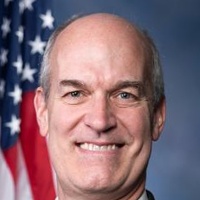
Rick Larsen
Representative
WA
Rick Larsen
Representative
WA
The Patients Over Paperwork Act of 2025 aims to streamline healthcare by repealing recent changes to Medicaid eligibility redeterminations. This action effectively restores prior regulations concerning how beneficiaries' eligibility is reviewed. The bill focuses on reducing administrative burdens to prioritize patient care.
The FAIR Act establishes new requirements for providing immigration detainees with access to privacy release forms, handbooks, communication tools, and clear processes for receiving constituent services from Congress.
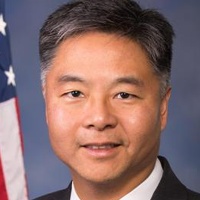
Ted Lieu
Representative
CA
Ted Lieu
Representative
CA
The Fairness and Access for Immigrant Rights (FAIR) Act establishes new requirements for providing constituent services to immigration detainees. This bill mandates that detainees must have timely access to necessary privacy release forms and essential handbooks in their preferred language. Furthermore, it ensures detainees have the tools to communicate with their congressional representatives or third-party assistants, and outlines a clear process for filing complaints if these rights are violated.
This Act prohibits rental property owners from engaging in coordinated activities that effectively fix or influence rental prices, treating such coordination as an illegal restraint of trade under existing antitrust laws.
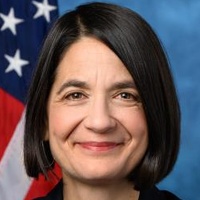
Becca Balint
Representative
VT
Becca Balint
Representative
VT
The End Rent Fixing Act of 2025 prohibits rental property owners from hiring coordinators or engaging in activities that involve collecting, analyzing, or recommending rental prices or terms across multiple properties. This coordinated activity is deemed an unlawful restraint of trade under existing antitrust laws. The bill grants enforcement power to the FTC, the Attorney General, and State Attorneys General, while also allowing injured persons to sue for treble damages. Furthermore, it lowers the pleading standard for civil lawsuits brought under this Act and related antitrust claims.
This bill mandates the Secretary of Health and Human Services to create a website allowing Medicare beneficiaries to search for providers participating in both Medicare Advantage (MA) plans and traditional Medicare.
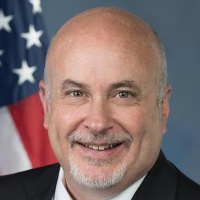
Mark Pocan
Representative
WI
Mark Pocan
Representative
WI
This bill mandates the Secretary of Health and Human Services to create and maintain a public website for Medicare beneficiaries. This resource will allow users to easily search for healthcare providers and suppliers participating in either Medicare Advantage (MA) plans or traditional Medicare. The website must clearly identify which networks each provider belongs to.
This bill mandates the exclusion of individuals and entities who commit fraud from participation in any Federal health care program.
Mark Pocan
Representative
WI
Mark Pocan
Representative
WI
This bill amends the Social Security Act to mandate the exclusion of individuals and entities who commit fraud from participating in any Federal health care program. Specifically, it requires the Secretary to exclude those convicted of certain fraud-related offenses or determined to have engaged in prohibited fraudulent activities. This ensures that those who misuse federal health programs due to financial misconduct are barred from future participation.
This bill mandates that Medicare Advantage plan advertisements must disclose the plan's rates of prior authorization denials and subsequent approvals.
Mark Pocan
Representative
WI
Mark Pocan
Representative
WI
This bill mandates that all advertisements for Medicare Advantage (MA) plans must clearly disclose key statistics regarding their prior authorization denial rates. Specifically, ads must include the total number of denials, the number of denials later overturned upon reconsideration, and the average time taken for those reversals. This aims to provide consumers with crucial transparency about plan utilization management practices before enrollment.
This bill amends the Revised Statutes to redefine the scope of civil actions that can be brought against individuals acting under the authority of the United States.
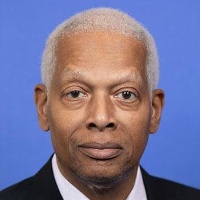
Henry Johnson
Representative
GA
Henry Johnson
Representative
GA
The Bivens Act of 2025 amends existing law to redefine the scope of civil actions that can be brought against individuals acting under federal authority. This legislation specifically revises Section 1979 of the Revised Statutes concerning such lawsuits. The core change narrows the focus of these civil actions to exclusively target persons acting under the authority of the United States.
This bill requires the Secretary to prohibit enrollment in Medicare Advantage plans whose average monthly payment exceeds the average monthly cost of original Medicare coverage, with an exception for special needs plans.
Mark Pocan
Representative
WI
Mark Pocan
Representative
WI
This bill amends the Social Security Act to establish new requirements regarding the average monthly cost of Medicare Advantage (MA) plans compared to original Medicare. If an MA plan's average monthly payment exceeds the cost of original Medicare coverage for its enrollees, the Secretary must prohibit new enrollment in that plan for the following year. This restriction does not apply to specialized Medicare Advantage plans for special needs individuals.
This bill restricts the acceptance of donations for projects related to the President or Vice President from individuals or entities with conflicts of interest, mandates transparency for donors, and establishes civil and criminal penalties for violations.
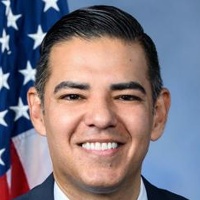
Robert Garcia
Representative
CA
Robert Garcia
Representative
CA
The Stop Ballroom Bribery Act establishes strict new rules governing donations made for projects related to the White House, Vice President's residence, or related federal monuments. It prohibits accepting donations from individuals or entities currently involved in litigation, seeking federal contracts, or engaging in lobbying activities targeting the executive branch. Furthermore, the bill mandates transparency by requiring disclosure of meetings with high-ranking officials following a donation and imposes significant civil and criminal penalties for violations.
The FRESHER Act of 2025 amends water pollution laws to remove certain stormwater permit requirements for oil and gas operations while mandating a study on stormwater runoff contamination from these activities.
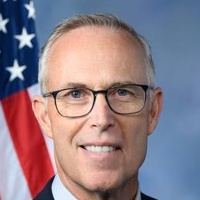
Jared Huffman
Representative
CA
Jared Huffman
Representative
CA
The FRESHER Act of 2025 aims to regulate stormwater runoff from oil, gas, and mining operations under the Federal Water Pollution Control Act. This legislation modifies existing permit requirements and mandates a study by the Secretary of the Interior on the contamination risks associated with this runoff. The resulting report will detail measurable contamination and the susceptibility of groundwater resources to pollution from these operations.
This bill limits the number of Medicare Advantage plans a single organization can offer under contract to three, unless those plans are significantly different from each other.
Mark Pocan
Representative
WI
Mark Pocan
Representative
WI
This bill amends the Social Security Act to impose new limitations on the number of Medicare Advantage (MA) plans an organization can offer under contract. Specifically, it restricts MA organizations from offering more than three MA plans unless those plans have significant differences in premiums, benefits, or cost-sharing. This measure aims to streamline the offerings available through Medicare Advantage.
This bill mandates that Medicare Advantage plans must automatically reconsider any decision that denies coverage without requiring an enrollee request.
Mark Pocan
Representative
WI
Mark Pocan
Representative
WI
This bill amends the Social Security Act to mandate that Medicare Advantage plans must automatically reconsider any determination that denies coverage. This process will occur without requiring the enrollee to submit a formal request for reconsideration. The automatic review begins immediately upon the plan's initial denial of coverage.
The CLEANER Act of 2025 mandates the EPA to review and regulate oil, gas, and geothermal production wastes under the Solid Waste Disposal Act, potentially classifying them as hazardous waste or establishing stricter standards for non-hazardous disposal.
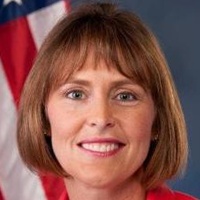
Kathy Castor
Representative
FL
Kathy Castor
Representative
FL
The CLEANER Act of 2025 mandates the Administrator to review and regulate wastes generated from oil, gas, and geothermal energy production under the Solid Waste Disposal Act. This includes determining if these wastes qualify as hazardous and establishing corresponding regulations if they do. For non-hazardous wastes from these industries, the Act requires the revision of criteria for disposal facilities to ensure protection of human health and the environment, including requirements for groundwater monitoring.
This bill prohibits the Department of Health and Human Services from using appropriated funds to automatically enroll individuals into Medicare Advantage plans.
Mark Pocan
Representative
WI
Mark Pocan
Representative
WI
This bill prohibits the Department of Health and Human Services from using appropriated funds to automatically enroll individuals into Medicare Advantage (MA) plans. It ensures that enrollment in an MA plan only occurs when an individual actively makes that choice, rather than it being the default option.
This bill establishes requirements for Medicare Advantage plans regarding the rate at which they overturn initial denials of coverage made through prior authorization, with contract termination for excessive reversals.
Mark Pocan
Representative
WI
Mark Pocan
Representative
WI
This bill amends the Social Security Act to establish new requirements for Medicare Advantage plans regarding how often they can overturn initial denials of coverage following prior authorization requests. Specifically, it mandates contract termination for plans whose rate of reversed prior authorization denials exceeds 25% in a given year. This measure aims to curb excessive initial denials by Medicare Advantage organizations.
This bill mandates the disclosure of chemicals used in hydraulic fracturing operations to the state both before and after operations, while ensuring immediate disclosure of proprietary formulas during medical emergencies.

Diana DeGette
Representative
CO
Diana DeGette
Representative
CO
The Fracturing Responsibility and Awareness of Chemicals Act of 2025 amends the Safe Drinking Water Act to bring hydraulic fracturing fluid injection under federal regulation. This bill mandates that operators disclose the specific chemicals used before and after fracturing operations to the relevant state authority. Furthermore, it ensures immediate disclosure of proprietary chemical formulas to medical professionals during emergencies.
This act repeals specific sections of a prior reconciliation act to restore previous laws affecting American families and farmers.
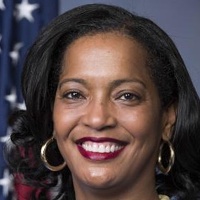
Jahana Hayes
Representative
CT
Jahana Hayes
Representative
CT
The Restoring Food Security for American Families and Farmers Act of 2025 aims to strengthen domestic food security by repealing specific sections of a prior reconciliation act. This action effectively revives the original laws that were previously amended by the repealed provisions. The bill seeks to revert existing agricultural and food-related statutes to their pre-amendment status.
The CLOSE Act removes the Clean Air Act exemption for aggregating oil and gas emissions and mandates the EPA to list hydrogen sulfide as a hazardous air pollutant.
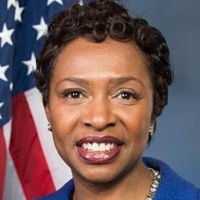
Yvette Clarke
Representative
NY
Yvette Clarke
Representative
NY
The CLOSE Act aims to strengthen air quality regulations by removing the exemption that previously allowed for the aggregation of emissions from oil and gas sources under the Clean Air Act. Furthermore, this legislation mandates the EPA to formally list hydrogen sulfide as a hazardous air pollutant. This action will require the EPA to establish specific source categories for hydrogen sulfide emissions, including oil and gas wells.
The CARE Act of 2025 strengthens child labor protections in agriculture by increasing penalties for violations, mandating injury reporting, and raising the minimum age for handling pesticides.
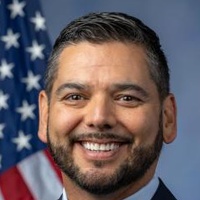
Raul Ruiz
Representative
CA
Raul Ruiz
Representative
CA
The Children's Act for Responsible Employment and Farm Safety (CARE Act of 2025) aims to strengthen protections for children working in agriculture by amending the Fair Labor Standards Act. This bill revises child labor definitions, increases civil and criminal penalties for violations, and mandates stricter reporting of work-related injuries or deaths involving young farmworkers. Furthermore, it prohibits employing anyone under 18 as a pesticide handler.
This act repeals Senate notification requirements related to legal processes concerning Senate data and mandates the disgorgement of any funds awarded to Senators under the repealed provisions.
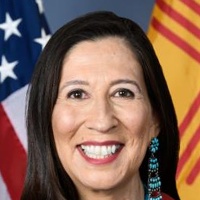
Teresa Leger Fernandez
Representative
NM
Teresa Leger Fernandez
Representative
NM
The No Payola Act repeals existing Senate notification requirements concerning legal processes related to the disclosure of Senate data. Furthermore, it mandates that any Senator who received funds through a private right of action under the repealed law must return those awarded funds to the Treasury.