Legislative Activity
Track Rashida's sponsored bills, co-sponsored legislation, and voting record
The CARE Act of 2025 strengthens child labor protections in agriculture by increasing penalties for violations, mandating injury reporting, and raising the minimum age for handling pesticides.
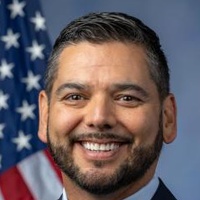
Raul Ruiz
Representative
CA
Raul Ruiz
Representative
CA
The Children's Act for Responsible Employment and Farm Safety (CARE Act of 2025) aims to strengthen protections for children working in agriculture by amending the Fair Labor Standards Act. This bill revises child labor definitions, increases civil and criminal penalties for violations, and mandates stricter reporting of work-related injuries or deaths involving young farmworkers. Furthermore, it prohibits employing anyone under 18 as a pesticide handler.
This bill requires the Comptroller General to review the Department of Veterans Affairs' medical care budget submissions for fiscal years 2026 through 2028 and report the findings to relevant Congressional committees.
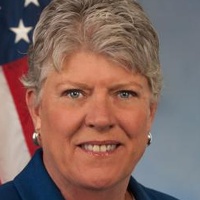
Julia Brownley
Representative
CA
Julia Brownley
Representative
CA
The Veterans Healthcare Improvement Act mandates that the Comptroller General review the Department of Veterans Affairs (VA) medical care budget submissions for fiscal years 2026 through 2028. Following each review, the Comptroller General must report the findings to relevant Congressional committees. This process aims to increase transparency and oversight of the VA's medical care funding requests.
This bill establishes a grant program to fund campaigns encouraging service providers to ask clients about their military service to better connect them with veteran resources.
Julia Brownley
Representative
CA
Julia Brownley
Representative
CA
The Have You Served Act establishes a grant program to fund "Ask the Question Campaigns." These campaigns encourage service providers to ask clients about their military service to better connect them with veteran resources. The Secretary of Veterans Affairs will award up to 25 grants annually to eligible states and tribes to support training and campaign costs.
The Every Veteran Counts Act of 2025 mandates the VA to collect, maintain, and publicly share comprehensive, anonymized demographic data on veterans while requiring a detailed report on the agency's overall data strategy implementation.
Julia Brownley
Representative
CA
Julia Brownley
Representative
CA
The Every Veteran Counts Act of 2025 mandates the Department of Veterans Affairs (VA) to establish a comprehensive, publicly accessible database of anonymized veteran demographic data, including sensitive categories like sexual orientation and gender identity. This legislation requires the VA to continuously collect, maintain, and annually update this machine-readable data to better inform policy and outreach. Furthermore, the Secretary must report to Congress within one year on the progress and challenges of implementing a modernized VA data strategy.
This resolution commemorates the 50th anniversary of the sinking of the S.S. Edmund Fitzgerald, honoring the lost crew and recognizing the resulting maritime safety improvements.
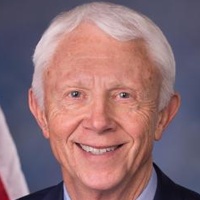
Jack Bergman
Representative
MI
Jack Bergman
Representative
MI
This resolution commemorates the 50th anniversary of the sinking of the S.S. Edmund Fitzgerald on November 10, 1975. It honors the memory of the 29 crew members lost in the tragedy on Lake Superior. Furthermore, the bill recognizes the ship's historical significance and the vital safety improvements that resulted from the disaster.
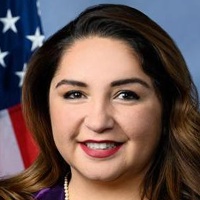
This bill affirms existing VA collective bargaining agreements and nullifies specific Executive Orders related to Federal labor-management relations within the Department of Veterans Affairs.
Delia Ramirez
Representative
IL
Delia Ramirez
Representative
IL
The VA Care and Benefits Accountability Act ensures that existing collective bargaining agreements within the Department of Veterans Affairs remain in effect until their specified end dates. Furthermore, this bill nullifies Executive Orders 14251 and 14343, preventing their enforcement or implementation within the VA. This action solidifies current labor agreements for VA employees.
This Act grants Department of Veterans Affairs employees the right to have a representative present during examinations that could lead to disciplinary action, if requested.
Delia Ramirez
Representative
IL
Delia Ramirez
Representative
IL
The Right to Representation for Department of Veterans Affairs Workers Act of 2025 grants eligible VA employees the right to have a representative present during any examination that they believe could lead to disciplinary action. This representation must be requested by the employee and will occur during duty time if applicable. The bill specifically defines which VA employees are covered by this new right.
This act revises existing programs to provide dedicated funding for supportive housing services for very low-income veteran families and modifies the scope of grants for homeless veterans with special needs.
Julia Brownley
Representative
CA
Julia Brownley
Representative
CA
The Helping Homeless Veterans Act of 2025 aims to restructure existing programs supporting homeless and special needs veterans. The bill modifies several sections related to treatment, housing assistance, and supportive services for veterans. Notably, it establishes a dedicated funding level of $\$420,000,000$ annually for financial assistance programs for very low-income veteran families in permanent housing starting in fiscal year 2027.
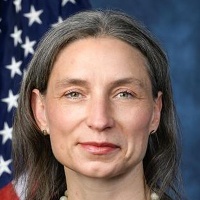
This bill mandates the restoration of free telephone services and communication access for individuals in immigration detention, ensuring contact with family and legal counsel.
Maxine Dexter
Representative
OR
Maxine Dexter
Representative
OR
The Restoring Access for Detainees Act aims to reinstate and expand free communication services for individuals in civil immigration detention. It mandates the provision of free phone calls, including 200 free outgoing minutes monthly, specifically for contacting family and legal counsel. Furthermore, the bill ensures private, unmonitored communication opportunities with attorneys and certain government officials upon arrival in custody.
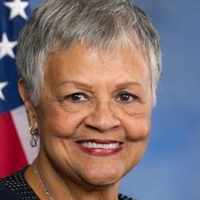
This bill prevents the sitting President and their immediate family from filing claims under the Federal Tort Claims Act while in office.
Bonnie Watson Coleman
Representative
NJ
Bonnie Watson Coleman
Representative
NJ
The CORRUPT Act amends the Federal Tort Claims Act to prohibit the sitting President and their immediate relatives from filing claims under that act while in office. This measure specifically prevents the President and covered family members from seeking damages through the Federal Tort Claims Act during their term.
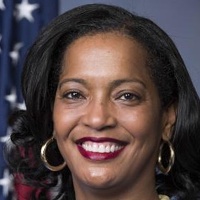
This Act ensures uninterrupted funding and operation for the SNAP and WIC programs through fiscal year 2026, even if appropriations for the Department of Agriculture are delayed.
Jahana Hayes
Representative
CT
Jahana Hayes
Representative
CT
The Keep SNAP and WIC Funded Act of 2025 ensures that the Supplemental Nutrition Assistance Program (SNAP) and the Special Supplemental Nutrition Program for Women, Infants, and Children (WIC) continue to operate without interruption in fiscal year 2026 if standard appropriations are delayed. If funding lapses, the Secretary of Agriculture is authorized to use funds from the Treasury to provide benefits and reimburse state agencies. This special funding remains in effect until full appropriations are enacted or until September 30, 2026.
This resolution urges the USDA to use its contingency funds and interchange authority to ensure continued funding for the Supplemental Nutrition Assistance Program (SNAP), especially during potential government shutdowns.
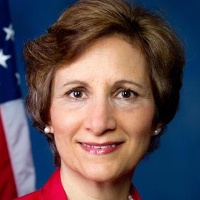
Suzanne Bonamici
Representative
OR
Suzanne Bonamici
Representative
OR
This resolution expresses the sense of the House that the Department of Agriculture should utilize its existing contingency funds and interchange authority to ensure the Supplemental Nutrition Assistance Program (SNAP) remains fully funded. The bill specifically urges the administration to immediately use these resources to finance SNAP operations, particularly during potential government funding lapses. This action is deemed crucial to support millions of vulnerable Americans, including children, seniors, and veterans, who rely on these benefits.
This bill establishes an independent Office of the Ombuds for Reproductive and Sexual Health within HHS to educate the public, analyze access to care, address misinformation, and investigate issues related to reproductive and sexual health services.
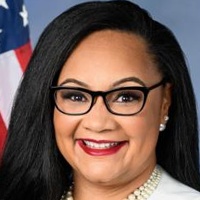
Nikema Williams
Representative
GA
Nikema Williams
Representative
GA
The HHS Reproductive and Sexual Health Ombuds Act of 2025 establishes an independent Office of the Ombuds within HHS to support access to reproductive and sexual health care. This office will educate the public, analyze access data, and address misinformation concerning these services. The Ombuds will report directly to the Secretary and submit annual evaluations to Congress regarding their functions.
This act mandates that all states allow eligible individuals to register and vote on the same day during federal elections, beginning in November 2026.
Julia Brownley
Representative
CA
Julia Brownley
Representative
CA
The Same Day Registration Act of 2025 mandates that all states allow eligible individuals to register to vote and cast a ballot on the same day during any federal election, including early voting periods. This requirement applies starting with the November 2026 general election. States without any voter registration requirement for federal elections are exempt from this mandate.
This resolution supports the goals of National Domestic Violence Awareness Month, highlights the pervasive and devastating impact of intimate partner violence across all demographics, and calls for increased funding for prevention and support programs.
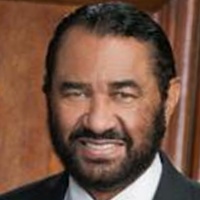
Al Green
Representative
TX
Al Green
Representative
TX
This resolution designates October as National Domestic Violence Awareness Month to highlight the widespread and devastating impact of intimate partner violence across all demographics. It recognizes the urgent need to eliminate domestic violence and supports increased funding for intervention and prevention programs. The resolution underscores the severe physical, emotional, and economic toll this abuse takes on individuals, families, and communities.
The RESTRAIN Act prohibits the United States from conducting any explosive testing of nuclear weapons starting in fiscal year 2026, while still permitting subcritical nuclear tests.
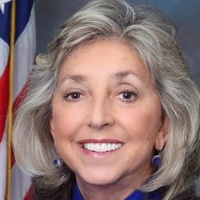
Dina Titus
Representative
NV
Dina Titus
Representative
NV
The RESTRAIN Act prohibits the United States from conducting any explosive testing of nuclear weapons or any other nuclear explosion, effective in fiscal year 2026 and beyond. This legislation specifically bans the use of authorized funds for such testing. However, the Act explicitly allows for the continuation of subcritical nuclear tests.
This resolution calls to ban public officials and their families from profiting from cryptocurrency ventures to prevent corruption, conflicts of interest, and foreign influence.
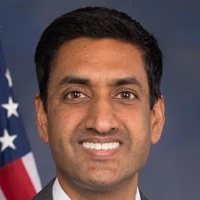
Ro Khanna
Representative
CA
Ro Khanna
Representative
CA
This resolution calls for banning public officials and their families from using their positions for personal enrichment through cryptocurrency ventures. It seeks to prevent conflicts of interest and foreign influence by restricting politicians from issuing or endorsing digital assets. The bill also mandates that current officials holding digital assets place them in a qualified blind trust. Finally, it requires full disclosure of crypto transactions and establishes penalties for violations.
This resolution commemorates the annual celebration of Día de los Muertos while urging accountability and humane treatment for those who have died in immigration custody.
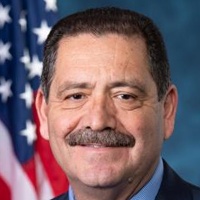
Jesús García
Representative
IL
Jesús García
Representative
IL
This resolution officially recognizes the annual celebration of Día de los Muertos in the United States, honoring its rich cultural significance and traditions of remembrance. It connects the spirit of honoring ancestors to the need for compassion and accountability regarding lives lost in immigration detention. The bill urges federal agencies to protect the dignity and rights of individuals in custody, especially during culturally significant times. Ultimately, it calls for honoring human dignity through remembrance and ensuring humane treatment for all.
The GRAD Act ensures students maintain their enrollment status during a government shutdown, even if it disrupts their Title IV federal student financial aid.
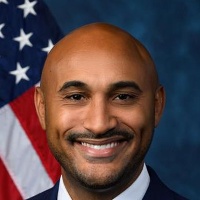
Shomari Figures
Representative
AL
Shomari Figures
Representative
AL
The GRAD Act ensures that students maintain their current enrollment status during a government shutdown, even if federal student aid is temporarily disrupted. This legislation prevents educational institutions from penalizing students by changing their enrollment status due to funding lapses. Essentially, it protects students from negative academic consequences caused by federal funding interruptions.
This resolution expresses support for recognizing October 26, 2025, as Intersex Awareness Day and advocates for the bodily autonomy and human rights of intersex individuals, particularly by opposing nonconsensual early medical interventions.
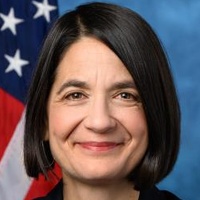
Becca Balint
Representative
VT
Becca Balint
Representative
VT
This resolution expresses the House's support for recognizing October 26th as Intersex Awareness Day and affirms the goals of the observance. It highlights the reality of natural variations in sex characteristics and strongly condemns nonconsensual, irreversible medical procedures performed on intersex infants and children. The bill encourages federal, state, and local entities to promote awareness, ensure culturally sensitive healthcare, and prioritize the bodily autonomy and human rights of intersex individuals.