This bill amends the Revised Statutes to redefine the scope of civil actions that can be brought against individuals acting under the authority of the United States.
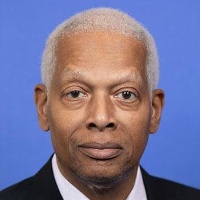
Henry "Hank" Johnson
Representative
GA-4
The Bivens Act of 2025 amends existing law to redefine the scope of civil actions that can be brought against individuals acting under federal authority. This legislation specifically revises Section 1979 of the Revised Statutes concerning such lawsuits. The core change narrows the focus of these civil actions to exclusively target persons acting under the authority of the United States.
Bivens Act of 2025: Federal Liability Law Expands to Target State Officials, Raising Legal Exposure.
The newly proposed Bivens Act of 2025 is short, but it packs a punch that could fundamentally change who gets sued and where. The bill aims to amend Section 1979 of the Revised Statutes, which is the foundational law that allows people to sue federal officials—like FBI agents or Border Patrol—for constitutional violations. This type of lawsuit is often called a Bivens action.
Expanding the Liability Map: From Federal to State
The big change is in Section 2, which quietly expands the scope of this civil action. Previously, you could only bring this specific type of federal lawsuit against a person acting under the authority of the United States. The Bivens Act simply adds a new target: anyone acting “under the authority of any State.” Translation? This opens the door for individuals to use the same federal legal mechanism designed for federal officials to sue state and local actors—think police officers, state university administrators, or local zoning board members—for alleged constitutional violations.
What This Means for Your Town and Taxes
For regular folks, this looks like an expanded path to accountability. If a state actor violates someone's constitutional rights, this bill theoretically provides a powerful, uniform federal remedy, which could be helpful if state-level remedies are slow or insufficient. For example, if a state police officer is accused of excessive force, the victim could now pursue a Bivens-style claim in federal court, potentially bypassing certain state-level limitations or immunities.
However, this expansion comes with significant real-world costs and complications. State and local officials—from the Governor’s office down to the city council—face a massive increase in personal legal liability and litigation risk. If state employees know they can be sued personally under a federal standard that was designed for a different set of actors, it could change how they operate and increase the cost of doing business for state governments. Who pays for the defense of these officials? Taxpayers do. This could lead to higher insurance premiums for state entities and increased litigation costs being passed down to state budgets.
The Challenge of Uncharted Legal Territory
One of the most concerning aspects is the vagueness of the amendment. The bill doesn't clarify how this expanded federal liability will interact with existing state sovereign immunity doctrines—the legal shield that often protects states from being sued. Federal courts have historically been very cautious about expanding Bivens claims, even against federal officials. Applying this complex, judicially-created standard to state actors, who already have established mechanisms for accountability (like Section 1983 claims), creates a huge amount of legal uncertainty. Without clear guidelines, state and local governments could be drowning in new lawsuits while the courts try to sort out what rules apply. It’s like taking a complex federal regulation designed for the interstate highway system and suddenly applying it to every local dirt road without changing any of the details.