This bill restricts the acceptance of donations for projects related to the President or Vice President from individuals or entities with conflicts of interest, mandates transparency for donors, and establishes civil and criminal penalties for violations.
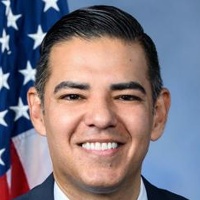
Robert Garcia
Representative
CA-42
The Stop Ballroom Bribery Act establishes strict new rules governing donations made for projects related to the White House, Vice President's residence, or related federal monuments. It prohibits accepting donations from individuals or entities currently involved in litigation, seeking federal contracts, or engaging in lobbying activities targeting the executive branch. Furthermore, the bill mandates transparency by requiring disclosure of meetings with high-ranking officials following a donation and imposes significant civil and criminal penalties for violations.
Ethics Bill Bans Donations to White House Projects from Lobbyists and Contract Seekers, Imposes 2-Year Cooling-Off Period
The aptly named “Stop Ballroom Bribery Act” is a major attempt to tighten the ethical screws around the White House and the Vice President’s residence. Essentially, this bill is designed to stop the appearance—and the reality—of people buying influence by bankrolling renovations, maintenance, or even events at properties used by the President and Vice President.
This isn't about small gifts; it targets what the bill calls “Covered Projects,” which include maintenance or construction on the White House grounds, the VP’s residence (Number One Observatory Circle), or even Federal monuments honoring a living or former President. The core mechanism is simple: it sets up a massive firewall, dictating exactly who cannot donate and establishing strict transparency rules for those who can.
The Donor Exclusion List: Who Can’t Write the Check?
If you’re a busy professional, the most important part of this bill is the list of people and entities immediately barred from making donations for these covered projects. If you’re involved in any of the following activities since the current President took office, you’re out:
- Litigation or Investigation: If you or your company is currently in a legal fight with the Federal Government or is the subject of a federal administrative investigation or enforcement action.
- Seeking Federal Business: If you are trying to get a contract, grant, or business relationship with the Federal Government, or if you still have unspent grant funds.
- Lobbying the Executive Branch: If you are involved in lobbying activities targeting any part of the executive branch.
- Seeking Favor: If you’ve sought a Presidential pardon or appointment to a federal position.
Think of it this way: if you’re a CEO whose company is bidding on a massive government contract, you can’t suddenly offer to pay for the new curtains in the Oval Office. The bill explicitly prohibits donations that would influence or appear to influence the performance of duties by any executive branch employee. This is a direct shot at the revolving door and the perception that access can be purchased.
The Two-Year Time Out and Meeting Disclosure
For those donors who are eligible, the bill imposes a significant cooling-off period. A person who makes a donation to a covered project cannot lobby any executive branch officer or employee, including the President or Vice President, for two years starting from the date of the donation. This means if you fund the restoration of a historic monument, you’re taking a mandatory two-year break from trying to influence policy.
Furthermore, transparency is mandatory. Any donor must disclose to the National Park Service (NPS) details of any meeting or communication they had with the President, Vice President, their spouses, or children—or their agents—that occurred one year before the donation and one year after it. This disclosure must include the topic and date. This is a huge requirement aimed at exposing potential quid pro quo arrangements, making it much harder to hide influence peddling behind a seemingly charitable gift.
Transparency and Enforcement
The bill makes the process of accepting donations bureaucratic and public. Before any donation can be accepted, the Director of the NPS must make a written determination that it complies with the law, and the Director of the Office of Government Ethics (OGE) must concur. This determination is then published in the Federal Register, meaning the public gets to see the justification for every approved gift.
To keep the pressure on, the NPS must publish quarterly reports listing every donation accepted for a covered project, including the identity of any contributor who gave more than $200. Plus, the bill strictly bans anonymous or straw donations—you can’t give money in someone else’s name, and you can’t give money anonymously.
Finally, the penalties are serious. Knowingly violating these rules can result in civil fines up to $20,000 (or the value of the donation) and criminal penalties of up to one year in prison. If the violation involves an aggregate value over $50,000, those penalties jump to $100,000 and up to five years in prison. The OGE is empowered to order the return of any donation that violates the rules, ensuring that the government can claw back improper funds.