The FRESHER Act of 2025 amends water pollution laws to remove certain stormwater permit requirements for oil and gas operations while mandating a study on stormwater runoff contamination from these activities.
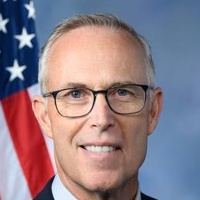
Jared Huffman
Representative
CA-2
The FRESHER Act of 2025 aims to regulate stormwater runoff from oil, gas, and mining operations under the Federal Water Pollution Control Act. This legislation modifies existing permit requirements and mandates a study by the Secretary of the Interior on the contamination risks associated with this runoff. The resulting report will detail measurable contamination and the susceptibility of groundwater resources to pollution from these operations.
FRESHER Act Removes Water Permit Limits for Oil and Gas, Mandates One-Year Contamination Study
The aptly named Focused Reduction of Effluence and Stormwater runoff through Hydrofracking Environmental Regulation Act of 2025, or the FRESHER Act, is making some significant, and potentially confusing, changes to how the federal government manages water pollution from industrial sites. This bill focuses specifically on stormwater runoff from oil, gas, and mining operations.
The Permit Loophole That Just Got Wider
Let’s start with the big change that has real-world implications for water quality. The FRESHER Act directly amends the Federal Water Pollution Control Act (FWPCA) by removing paragraph (2) from Section 402(l). This section deals with limitations on permit requirements for stormwater discharge. In plain English, the FWPCA requires permits for point-source pollution (like pipes dumping waste), but stormwater runoff is often treated differently. Historically, certain types of industrial stormwater runoff have been exempt or had limited permitting requirements. By removing this specific limitation, the bill appears to be taking away an existing regulatory protection related to stormwater permits for oil, gas, and mining operations. Think of it like this: if you live near an industrial site that relies on this specific limitation to manage its runoff, the rules just changed—and not necessarily in favor of cleaner water. This change (SEC. 2) could mean less regulatory oversight on how runoff from these sites, which can carry contaminants, is managed.
Trading Oversight for Data: The One-Year Study
While the bill appears to pull back on one regulatory lever, it pushes forward on another: a mandatory study. The FRESHER Act requires the Secretary of the Interior to conduct a study on the impacts of stormwater runoff from oil or gas operations in areas the Secretary believes may be contaminated. This study isn’t just a quick look; it must analyze measurable contamination, groundwater resources, and how susceptible local aquifers are to pollution from this runoff. The Secretary has a tight deadline, too: the report must be submitted to Congress within one year of the bill becoming law (SEC. 2, Stormwater Impact Study).
For communities relying on local wells or groundwater, this study is a mixed bag. On one hand, it mandates that the federal government actually collect data on whether oil and gas runoff is fouling local water supplies—data that could be crucial for future protections. On the other hand, the study only happens if the Secretary believes an area might be contaminated, which gives the agency significant discretion over where to look. It’s a classic trade-off: less immediate regulatory pressure on industry now, in exchange for potentially powerful data later.
The Fine Print: What Else Is Moving Around?
The remaining sections are mostly technical cleanup but are important for legal clarity. The bill removes a definition (paragraph (24) from Section 502 of the FWPCA) and then renumbers the subsequent definitions accordingly. While the bill doesn't specify what definition was removed, these procedural changes are the kind of administrative shifting that can impact how other parts of the law are interpreted down the road. For the average person, this doesn't change much immediately, but it shows that the FRESHER Act isn't just about a study; it’s structurally altering the foundation of federal water protection laws related to these industries.