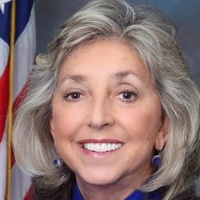
Legislative Activity
Track Dina's sponsored bills, co-sponsored legislation, and voting record
The Protection and Advocacy for Student Success Act establishes a federal grant program to empower state advocacy systems to protect the educational rights and safety of students with disabilities.
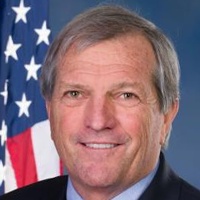
Mark DeSaulnier
Representative
CA
Mark DeSaulnier
Representative
CA
The Protection and Advocacy for Student Success Act establishes a national grant program to empower state protection and advocacy systems to defend the educational rights of students with disabilities. These grants support efforts to monitor school conditions, eliminate harmful practices like seclusion and restraint, and pursue legal remedies to ensure students receive the services they are entitled to under federal law.
The Muhammad Ali American Boxing Revival Act of 2026 establishes unified boxing organizations and mandates enhanced safety, medical, anti-doping, and fair-contract standards to improve the well-being and professional opportunities of boxers.
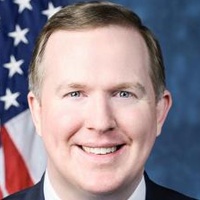
Brian Jack
Representative
GA
Brian Jack
Representative
GA
The Muhammad Ali American Boxing Revival Act of 2026 aims to modernize professional boxing by establishing "Unified Boxing Organizations" (UBOs) to provide boxers with improved safety standards, comprehensive medical support, and fair contract protections. The bill also mandates nationwide health and safety requirements, enforces stricter anti-doping protocols, and introduces measures to eliminate conflicts of interest within the sport. By standardizing regulations and championship titles, this legislation seeks to enhance boxer welfare and ensure greater accountability across the industry.
The Supporting VA Families Act provides Department of Veterans Affairs employees with four additional weeks of unpaid parental leave following the birth, adoption, or foster placement of a child.
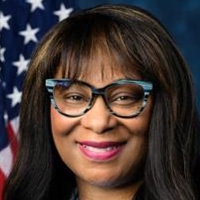
Janelle Bynum
Representative
OR
Janelle Bynum
Representative
OR
The Supporting VA Families Act establishes a supplemental parental leave program for Department of Veterans Affairs employees. This legislation provides eligible staff with four additional administrative weeks of unpaid leave following the birth, adoption, or foster care placement of a child. This benefit is designed to supplement, rather than replace, existing family and medical leave entitlements.
The Energy Bills Relief Act aims to lower energy costs for families by reversing clean energy rollbacks, expanding assistance programs, streamlining grid upgrades, and increasing transparency in utility regulation.
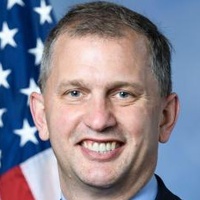
Sean Casten
Representative
IL
Sean Casten
Representative
IL
The Energy Bills Relief Act is a comprehensive bill designed to lower energy costs for American families, accelerate the deployment of low-cost, clean energy, and modernize the nation's electricity grid. It achieves this by reversing harmful policies against renewables, expanding energy assistance programs, streamlining grid connection processes, and increasing transparency in utility regulation. Ultimately, the legislation aims to create a more reliable, affordable, and cleaner energy system while ensuring communities have a stronger voice in energy development.
The Momnibus Act is a comprehensive legislative package designed to improve maternal health outcomes and reduce racial disparities by addressing social determinants, expanding nutritional and mental health support, diversifying the perinatal workforce, and investing in data-driven, community-based care.
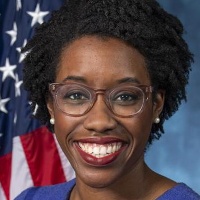
Lauren Underwood
Representative
IL
Lauren Underwood
Representative
IL
The Momnibus Act is a comprehensive legislative package designed to end preventable maternal mortality and close racial and ethnic disparities in maternal health outcomes. By addressing social determinants of health, expanding nutritional and mental health support, and investing in a diverse, culturally competent workforce, the bill provides a holistic framework for improving care. Through targeted federal grants, enhanced data collection, and innovative technology, the Act aims to ensure that all pregnant and postpartum individuals receive the equitable, high-quality care they deserve.
The Save the World Cup Act prohibits federal immigration enforcement within one mile of 2026 FIFA World Cup venues and fan festivals, except during specific emergency situations.
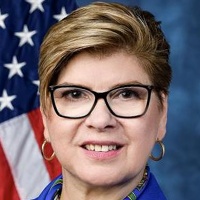
Nellie Pou
Representative
NJ
Nellie Pou
Representative
NJ
The "Save the World Cup Act" restricts the Department of Homeland Security and the Department of Justice from conducting civil immigration enforcement within one mile of 2026 FIFA World Cup matches and fan festivals. This limitation ensures that federal resources are not used for such enforcement, except in specific emergency situations involving immediate threats to public safety, national security, or the integrity of criminal investigations.
This bill establishes an interest-bearing U.S. Treasury account to manage state contributions for the Lower Colorado River Multi-Species Conservation Program.
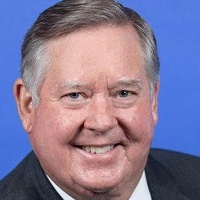
Ken Calvert
Representative
CA
Ken Calvert
Representative
CA
The Lower Colorado River Multi-Species Conservation Program Amendment Act of 2025 establishes a dedicated, interest-bearing account within the U.S. Treasury to manage non-federal contributions for the program. This legislation streamlines the handling of state funding and clarifies the investment authority and expenditure processes for these conservation resources.
The Enhanced Iran Sanctions Act of 2025 mandates broad economic and immigration sanctions on foreign individuals, entities, and financial institutions that support Iran’s nuclear, missile, drone, or terrorist activities, while specifically targeting the country's petroleum and petrochemical sectors.
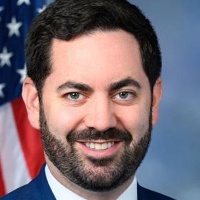
Michael Lawler
Representative
NY
Michael Lawler
Representative
NY
The Enhanced Iran Sanctions Act of 2025 strengthens U.S. policy by imposing mandatory sanctions on foreign persons and financial institutions that support Iran’s nuclear, ballistic missile, drone, and terrorist activities. The bill specifically targets Iran’s petroleum and petrochemical sectors to cut off funding for these malign programs. Additionally, it expands the State Department’s "Rewards for Justice" program to incentivize the reporting of individuals who evade these sanctions.
This resolution directs the President to remove U.S. Armed Forces from unauthorized hostilities against Iran, pursuant to the War Powers Resolution.
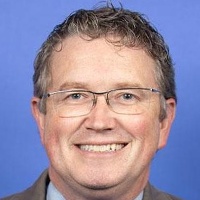
Thomas Massie
Representative
KY
Thomas Massie
Representative
KY
This resolution directs the President, under the authority of the War Powers Resolution, to immediately remove U.S. Armed Forces from unauthorized hostilities against the Islamic Republic of Iran. It asserts that military action must cease unless Congress has formally declared war or passed a specific authorization for the use of force. The bill explicitly states that it does not authorize new military action nor does it impede necessary self-defense against an immediate attack.
This resolution supports the goals of National Women and Girls HIV/AIDS Awareness Day by recognizing the disproportionate impact of HIV on women and girls and calling for increased investment in prevention, care, and education.
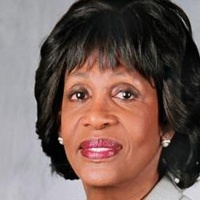
Maxine Waters
Representative
CA
Maxine Waters
Representative
CA
This resolution supports the goals of National Women and Girls HIV/AIDS Awareness Day by recognizing the disproportionate impact of HIV on women and girls globally and domestically. It calls for sustained investment in prevention, care, and treatment efforts to reduce new infections and health inequities. The bill specifically encourages accessible, youth-friendly services, education on prevention tools like PrEP, and addressing underlying issues such as violence and discrimination.
This Act amends the Fair Housing Act to establish survivors of domestic violence, sexual assault, or severe forms of trafficking as a protected class, prohibiting housing discrimination against them.
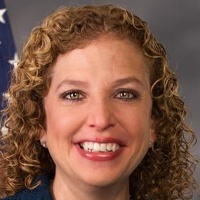
Debbie Wasserman Schultz
Representative
FL
Debbie Wasserman Schultz
Representative
FL
The Fair Housing for Survivors Act of 2026 amends the Fair Housing Act to establish survivors of domestic violence, sexual assault, or severe forms of trafficking as a protected class. This makes it illegal to discriminate against these individuals in housing transactions, including rentals, sales, and financing. The bill aims to ensure survivors can secure and maintain safe housing free from further victimization.
The PrEP Access and Coverage Act of 2026 mandates comprehensive, cost-free insurance coverage for HIV prevention services across public and private health plans while prohibiting discriminatory insurance practices and funding national education and outreach programs.
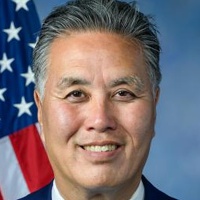
Mark Takano
Representative
CA
Mark Takano
Representative
CA
The PrEP Access and Coverage Act of 2026 mandates comprehensive, cost-free insurance coverage for HIV prevention services (PrEP and PEP) across private health plans, Medicare, Medicaid, TRICARE, and veteran health programs. The bill prohibits insurers from denying coverage or increasing premiums based on the use of HIV prevention medication and establishes robust patient confidentiality protections. Additionally, it authorizes national public health education campaigns and provides grant funding to expand access to prevention services for uninsured and underinsured populations.
This resolution urges the President to order U.S. flags flown at half-staff to honor the life and legacy of civil rights leader Reverend Jesse Jackson.
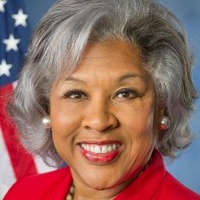
Joyce Beatty
Representative
OH
Joyce Beatty
Representative
OH
This resolution formally honors the life and enduring legacy of civil rights leader Reverend Jesse Louis Burns Jackson, Sr. It recognizes his significant contributions to the Civil Rights Movement, including his work with Dr. Martin Luther King, Jr. and his founding of Operation PUSH. The bill specifically urges the President to order that the U.S. flag be flown at half-staff in his memory.
The Supplemental Security Income Restoration Act of 2026 updates and expands the SSI program by increasing benefit amounts, raising income and resource limits, eliminating marriage penalties, and extending coverage to U.S. territories.
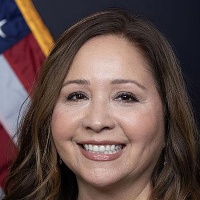
Adelita Grijalva
Representative
AZ
Adelita Grijalva
Representative
AZ
The Supplemental Security Income (SSI) Restoration Act of 2026 aims to modernize and expand the SSI program by significantly increasing income and resource limits, which will be adjusted annually for inflation. The bill eliminates marriage penalties, excludes retirement accounts and certain tribal payments from resource calculations, and simplifies administrative requirements for beneficiaries. Additionally, it extends full SSI program eligibility to Puerto Rico, the U.S. Virgin Islands, Guam, and American Samoa.
The GAAME Act of 2026 mandates and expands access to standards-based arts and music education within Title I schools to support comprehensive student achievement.
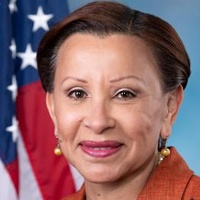
Nydia Velázquez
Representative
NY
Nydia Velázquez
Representative
NY
The GAAME Act of 2026 mandates that Title I schools provide students with sequential, standards-based arts and music education taught by certified professionals. By integrating these programs into school-wide and targeted assistance plans, the bill ensures equitable access to a well-rounded education that supports academic achievement.
This resolution expresses the House's support for designating March 2026 as Music in Our Schools Month to recognize the value and address inequities in music education.
Nydia Velázquez
Representative
NY
Nydia Velázquez
Representative
NY
This resolution expresses the House of Representatives' support for designating March 2026 as Music in Our Schools Month. It highlights the fundamental value of music education for cultural heritage, student development, and national identity. The bill also recognizes significant inequities in access to music programs across different communities.
The Direct File Act of 2026 establishes a permanent, free, government-owned online tax filing system within the IRS while prohibiting agreements that restrict the government from providing tax preparation services.
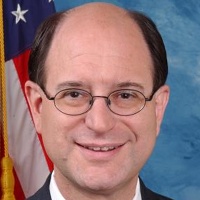
Brad Sherman
Representative
CA
Brad Sherman
Representative
CA
The Direct File Act of 2026 establishes a permanent, free, government-owned online tax filing system within the IRS, ensuring taxpayers have a simplified and accessible way to file their returns. The bill prohibits the Treasury from entering into agreements that restrict the government's ability to provide these services and mandates the integration of state tax filing options. Additionally, it streamlines the tax process by setting new filing deadlines for employer information returns to improve efficiency for all taxpayers.
This bill strengthens democracy by banning foreign spending in U.S. elections, increasing transparency for "dark money" in politics, and mandating clear disclosure of funders in political advertising.
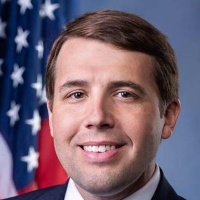
Chris Pappas
Representative
NH
Chris Pappas
Representative
NH
The Democracy Is Strengthened by Casting Light On Spending in Elections Act of 2026 aims to increase transparency and security in U.S. elections. It closes loopholes to ban foreign national spending in elections, mandates disclosure for "dark money" political spending, and requires clear funding disclosures on political ads. The bill also centralizes legal challenges to campaign finance laws in Washington, D.C., for faster resolution.
The Parks to People Active Transportation Act establishes a federal grant program to fund the construction and improvement of regionally and nationally significant multi-jurisdictional walking and biking greenways.
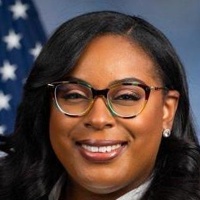
LaMonica McIver
Representative
NJ
LaMonica McIver
Representative
NJ
The Parks to People Active Transportation Act establishes a competitive grant program to fund the construction and improvement of regionally and nationally significant greenway paths for walking and biking. By connecting communities and transit hubs, this initiative aims to reduce traffic congestion, improve public safety, and enhance accessibility in underserved areas. The program authorizes $300 million annually to support these multi-jurisdictional projects through 2031.
This resolution recognizes the vital historical significance, economic impact, and essential role of Black history museums and cultural institutions in telling the full American story, especially leading up to the nation's 250th anniversary.
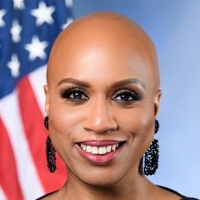
Ayanna Pressley
Representative
MA
Ayanna Pressley
Representative
MA
This resolution formally recognizes the vital historical significance and contributions of Black history museums and cultural institutions across the United States. It affirms that these essential pillars correct historical omissions by preserving irreplaceable records and telling a full, accurate American story. The bill encourages federal agencies and the public to support these institutions, especially as the nation approaches its 250th anniversary.