The GAAME Act of 2026 mandates and expands access to standards-based arts and music education within Title I schools to support comprehensive student achievement.
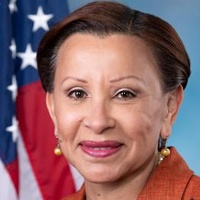
Nydia Velázquez
Representative
NY-7
The GAAME Act of 2026 mandates that Title I schools provide students with sequential, standards-based arts and music education taught by certified professionals. By integrating these programs into school-wide and targeted assistance plans, the bill ensures equitable access to a well-rounded education that supports academic achievement.
GAAME Act of 2026 Mandates Arts and Music in Title I Schools: Certified Teachers and Sequential Curriculum Required
The GAAME Act of 2026 shifts arts and music from elective 'extras' to mandatory components of federal Title I school-wide programs. Under this bill, schools using Title I funds for comprehensive improvement must now include sequential, standards-based instruction in dance, media arts, theater, visual arts, and music. This isn't just about having an occasional guest speaker; the bill specifically requires that these programs be taught by certified arts and music educators and aligned with challenging state academic standards (Sections 2 and 3). By embedding these subjects directly into the Elementary and Secondary Education Act of 1965, the legislation treats the arts as a core tool for boosting student achievement in lower-income districts.
Fine Tuning the Funding For schools that don't run full school-wide programs but receive 'targeted assistance' funds, the bill opens up new ways to spend that money. Sections 4 and 5 explicitly allow these schools to use federal dollars for programmatic assistance in arts and music to help students meet academic goals. This means a school could potentially use Title I funds to hire a certified music teacher or a theater instructor specifically to support students who are struggling academically, providing a creative pathway to learning that was previously stuck in a regulatory gray area. For a parent in a Title I district, this could mean their child finally gets a consistent, multi-year arts curriculum rather than a patchwork of temporary programs.
The Certification Catch While the bill aims to level the playing field for students in underserved communities, it sets a high bar for implementation. By requiring 'certified' educators (Section 3), the bill ensures quality but may create a hiring hurdle for rural or cash-strapped districts already facing teacher shortages. If a small-town school wants to expand its media arts program to comply with these new standards, they can't just ask a tech-savvy volunteer to lead the class; they’ll need a state-certified professional. This could lead to a competitive scramble for qualified arts staff, potentially driving up costs for districts that are already tight on funds.
Budgetary Balancing Act Because the bill integrates these requirements into existing Title I frameworks without explicitly authorizing new, separate pots of money, administrators will have to make some tough calls. To meet the mandate for sequential, standards-based arts education, a principal might have to reallocate funds currently used for other supplemental services, like extra tutoring or specialized software. For the office worker or tradesperson whose kids attend these schools, the benefit of a well-rounded education is clear, but the practical challenge will be ensuring these new arts programs don't unintentionally crowd out other essential academic supports.