This Act amends the Fair Housing Act to establish survivors of domestic violence, sexual assault, or severe forms of trafficking as a protected class, prohibiting housing discrimination against them.
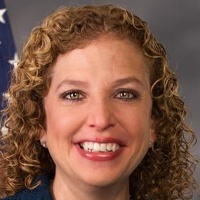
Debbie Wasserman Schultz
Representative
FL-25
The Fair Housing for Survivors Act of 2026 amends the Fair Housing Act to establish survivors of domestic violence, sexual assault, or severe forms of trafficking as a protected class. This makes it illegal to discriminate against these individuals in housing transactions, including rentals, sales, and financing. The bill aims to ensure survivors can secure and maintain safe housing free from further victimization.
Fair Housing for Survivors Act of 2026: New Protections Shield Domestic Violence and Trafficking Survivors from Eviction and Bias
The Fair Housing for Survivors Act of 2026 adds survivors of domestic violence, sexual assault, and sex trafficking as a protected class under the federal Fair Housing Act. By officially defining 'survivor' status alongside categories like race or religion, the bill makes it a federal crime to deny housing, hike rent, or refuse financing to someone based on their history of victimization. This change addresses a long-standing loophole where survivors were often evicted or turned away from apartments because of the very violence they were trying to escape.
Breaking the Cycle of 'Double Victimization'
For many, the hardest part of leaving an abusive situation isn't just the exit—it's finding a place to land. Under Section 3, the bill prohibits landlords from using a person's status as a survivor to block a rental application. Imagine a woman trying to rent an apartment who is turned down because a background check shows a past eviction caused by her abuser damaging property or causing a disturbance. This bill aims to stop that. It specifically covers not just those who have experienced violence, but also those 'perceived' to have experienced it, ensuring that a landlord can't treat someone differently just because they have a protective order or previously lived in a domestic violence shelter.
Beyond the Lease: Loans and Safety
The protections extend far beyond just signing a lease. Sections 805 and 806 apply these rules to the money side of housing, including mortgages and homeowners insurance. This means a bank can’t deny a home loan or offer worse terms to a survivor simply because of their history. Furthermore, the bill updates the Civil Rights Act of 1968 to tackle 'intimidation and interference.' This provides a legal hammer against anyone—landlords, neighbors, or brokers—who tries to coerce or threaten a survivor to keep them from exercising their housing rights. It’s about making sure that once a survivor finds a safe door to lock, they aren't harassed into leaving it.
Government Accountability and Practical Support
The bill doesn't just tell the private sector what to do; it puts the Department of Housing and Urban Development (HUD) on the hook. Section 808(e)(6) requires HUD to 'affirmatively further' fair housing for survivors, meaning the agency must actively create policies that help this group find stability. Crucially, the bill clarifies that specialized assistance programs—like housing vouchers specifically for trafficking survivors—are perfectly legal and encouraged. While implementation will require landlords to update their screening processes and HUD to ramp up enforcement, the goal is to ensure that a survivor’s past doesn't dictate their ability to have a future under a safe roof.