This resolution expresses the House's support for designating March 2026 as Music in Our Schools Month to recognize the value and address inequities in music education.
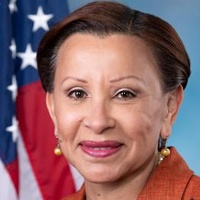
Nydia Velázquez
Representative
NY-7
This resolution expresses the House of Representatives' support for designating March 2026 as Music in Our Schools Month. It highlights the fundamental value of music education for cultural heritage, student development, and national identity. The bill also recognizes significant inequities in access to music programs across different communities.
House Resolution Proposes March 2026 as 'Music in Our Schools Month' to Address Educational Equity
This resolution marks a formal move by the House of Representatives to designate March 2026 as 'Music in Our Schools Month.' While it doesn't immediately hand out checks to local band directors, it serves as an official acknowledgment that music isn't just an 'extra'—it’s a core part of American education. The resolution explicitly links music education to better academic results and the development of workforce skills, essentially arguing that learning an instrument helps a student eventually navigate a spreadsheet or a job site more effectively.
Harmonizing the Playing Field
The most significant part of this text is the spotlight it shines on the 'zip code lottery' of arts education. The resolution identifies a major gap in access, noting that students in rural areas, low-income urban neighborhoods, and schools with high minority populations often lack the same music resources as their suburban counterparts. By formally stating that these inequities exist, the resolution sets a baseline for future funding discussions. For a parent in an underfunded school district, this is a signal that the disparity in their child's extracurricular options is being recognized at the federal level as a systemic issue rather than just a local budget quirk.
More Than Just a Melody
Beyond the classroom, the resolution frames music as a tool for 'cooperation and inclusion,' citing its role in national identity since before the country was even founded. It’s a rare moment of policy focusing on the 'soft skills' that employers often complain are missing in the modern workforce, such as discipline and teamwork. While the immediate impact is largely symbolic, the resolution calls for 'more to be done' to support public school music programs. For educators and families, this provides a legislative hook to advocate for more stable funding and resources, moving the conversation from 'should we have music?' to 'how do we make sure everyone has it?'