This resolution supports the goals of National Women and Girls HIV/AIDS Awareness Day by recognizing the disproportionate impact of HIV on women and girls and calling for increased investment in prevention, care, and education.
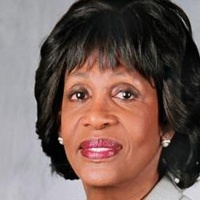
Maxine Waters
Representative
CA-43
This resolution supports the goals of National Women and Girls HIV/AIDS Awareness Day by recognizing the disproportionate impact of HIV on women and girls globally and domestically. It calls for sustained investment in prevention, care, and treatment efforts to reduce new infections and health inequities. The bill specifically encourages accessible, youth-friendly services, education on prevention tools like PrEP, and addressing underlying issues such as violence and discrimination.
House Resolution Targets HIV Disparities: New Push for Routine Testing and PrEP Access for Women and Girls
This resolution formally recognizes National Women and Girls HIV/AIDS Awareness Day on March 10, but it goes much deeper than just a date on the calendar. It lays out a clear roadmap for the House of Representatives to tackle the ongoing HIV epidemic, which currently affects over 1.2 million people in the U.S. By highlighting that women account for about 19 percent of new diagnoses—and that African American women represent half of those cases—the bill pushes for a shift in how we handle public health. It specifically calls for sustained investment in research and the expansion of access to life-saving medications like PrEP (pre-exposure prophylaxis) and PEP (post-exposure prophylaxis), aiming to turn the tide on the 31,800 new infections occurring annually.
The Routine Checkup Shift
One of the biggest real-world impacts of this resolution is the push to normalize HIV screening as a standard part of your doctor’s visit. Following CDC recommendations, the bill encourages routine testing for everyone aged 13 to 64 at least once, and annually for those with specific risk factors. For a busy professional or a student, this means your annual physical might soon include an HIV test by default, rather than as a separate, sometimes stigmatized request. The resolution also emphasizes screening for all pregnant women, citing that comprehensive care can significantly slash the risk of transmitting the virus to a child. By moving testing into the realm of 'routine care,' the goal is to reach the 13 percent of people who are currently living with HIV but don't know it.
Breaking Barriers to Care
The bill doesn't just look at the lab results; it looks at the social hurdles that keep people from getting help. It encourages the creation of 'youth-friendly' and 'culturally responsive' healthcare services, recognizing that a one-size-fits-all approach doesn't work for everyone. For someone working a trade or managing a retail store, this could mean better access to community clinics that offer flexible hours or services tailored to their specific background. The resolution also takes a hard look at global drivers of the virus, noting that weekly, 4,000 adolescent girls and young women worldwide become infected due to factors like gender-based violence and a lack of reproductive health tools. By supporting multi-sectoral approaches, the bill aims to address the root causes—like discrimination and inequity—rather than just treating the symptoms.
Education Beyond the Basics
Finally, the resolution pushes for an update to what we’re teaching the next generation. It promotes the inclusion of medically accurate, up-to-date information about HIV in sexual education curricula, specifically mentioning PrEP and PEP. For parents, this means their kids might come home with a much more sophisticated understanding of prevention than previous generations had. By integrating this info into schools and diplomatic efforts, the resolution seeks to eliminate the 'information gap' that often leaves vulnerable populations at higher risk. It’s a bipartisan commitment to use every tool in the shed—from the classroom to the clinic—to finally end the epidemic both at home and abroad.