The PrEP Access and Coverage Act of 2026 mandates comprehensive, cost-free insurance coverage for HIV prevention services across public and private health plans while prohibiting discriminatory insurance practices and funding national education and outreach programs.
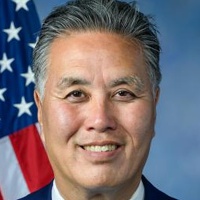
Mark Takano
Representative
CA-39
The PrEP Access and Coverage Act of 2026 mandates comprehensive, cost-free insurance coverage for HIV prevention services (PrEP and PEP) across private health plans, Medicare, Medicaid, TRICARE, and veteran health programs. The bill prohibits insurers from denying coverage or increasing premiums based on the use of HIV prevention medication and establishes robust patient confidentiality protections. Additionally, it authorizes national public health education campaigns and provides grant funding to expand access to prevention services for uninsured and underinsured populations.
PrEP Access and Coverage Act of 2026: Zero-Cost HIV Prevention and New Privacy Protections for All Health Plans
The PrEP Access and Coverage Act of 2026 is a massive overhaul of how we pay for and access HIV prevention. Starting January 1, 2027, this bill mandates that almost every type of insurance—private employer plans, Medicare, Medicaid, and even TRICARE—must cover PrEP (pre-exposure prophylaxis) and PEP (post-exposure prophylaxis) with a $0 price tag for the patient. This isn't just about the pills; the bill specifically requires 100% coverage for the doctor visits, lab tests, and diagnostic procedures that go along with the prescription. By amending the Public Health Service Act and the Internal Revenue Code, the bill effectively bans copays, deductibles, and 'prior authorization' hurdles that often slow down access to these medications. For example, a graphic designer on a private high-deductible plan or a veteran using the VA would no longer face out-of-pocket costs for their preventative labs or monthly refills.
Breaking the 'Red Tape' Barrier
One of the most practical shifts in this bill is the crackdown on 'prior authorization'—that annoying process where your insurance company has to 'approve' a doctor's prescription before you can pick it up. Under Section 3, insurance companies are generally prohibited from requiring this extra paperwork for HIV prevention drugs. There is one small catch: a plan can only require pre-approval for a specific brand-name drug if they offer a 'therapeutically equivalent' version (like a generic) with no strings attached. This ensures that if you and your doctor decide a certain medication is necessary, the insurance company can't use a wall of bureaucracy to keep you from starting it immediately.
Privacy and Fair Pricing in the Fine Print
For young adults still on their parents' insurance or partners on a joint plan, Section 6 introduces a major privacy upgrade. It requires HHS to update HIPAA regulations so that when you use these HIV prevention benefits, the 'primary subscriber' (like your mom or your spouse) cannot be notified. This means the explanation of benefits (EOB) shouldn't tip off other family members about your preventative care. Additionally, the bill takes a swing at the insurance industry's 'risk' assessments. Section 4 makes it illegal for life, disability, or long-term care insurers to deny you coverage or hike your premiums just because you take PrEP. It treats using HIV prevention as a responsible health choice rather than a reason to charge you more for a life insurance policy.
Funding the Gaps and Holding Plans Accountable
This isn't just a set of rules for the insured; it’s a full-scale public health push. Section 7 creates a grant program to help uninsured and underinsured folks get the same level of care through community health centers and rural clinics. To make sure insurance companies actually follow these new $0 cost-sharing rules, Section 10 requires them to submit annual data to the federal government for the next ten years, proving they aren't sneakily charging enrollees. And if a company still refuses to play ball? Section 9 gives you a 'private right of action,' meaning you can personally sue an insurer in federal court if they violate these coverage mandates. It’s a rare bit of legal teeth designed to ensure the 'zero-cost' promise actually shows up at the pharmacy counter.