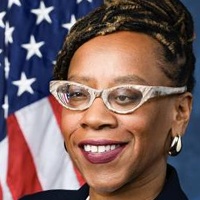
Legislative Activity
Track Lateefah's sponsored bills, co-sponsored legislation, and voting record
This resolution expresses the House of Representatives' support for designating the second Monday in October 2025 as "Indigenous Peoples' Day" to honor the history, culture, and contributions of Indigenous Peoples.
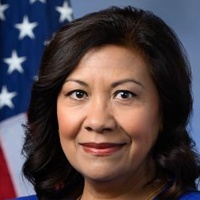
Norma Torres
Representative
CA
Norma Torres
Representative
CA
This resolution expresses the strong support of the House of Representatives for designating the second Monday in October 2025 as "Indigenous Peoples' Day." It aims to formally recognize and honor the history, culture, and enduring contributions of Indigenous Peoples in the United States. The measure encourages public observance and supports the eventual establishment of this day as an official Federal holiday.
This resolution demands the President promptly transmit all documents related to potential furloughs, pay withholding, and legal justifications concerning federal employees affected by a funding lapse starting October 1, 2025.
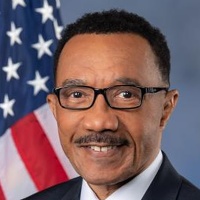
Kweisi Mfume
Representative
MD
Kweisi Mfume
Representative
MD
This resolution is an official request demanding the President transmit specific, unredacted documents to the House of Representatives within 14 days. Congress is seeking all communications and records related to potential furloughs, layoffs, or the withholding of pay for federal employees due to a funding lapse beginning October 1, 2025. The request specifically targets documents concerning legal opinions that might undermine the requirement to pay furloughed workers after appropriations resume.
This Act mandates that all states must operate the WIC program and guarantees necessary funding through permanent appropriation starting in fiscal year 2026.
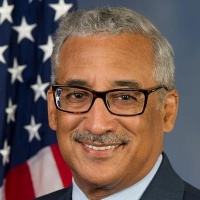
Robert Scott
Representative
VA
Robert Scott
Representative
VA
The WIC Benefits Protection Act mandates that all states must operate the Special Supplemental Nutrition Program for Women, Infants, and Children (WIC). This legislation also guarantees permanent, mandatory funding for WIC starting in fiscal year 2026, ensuring the program has the necessary resources annually. Furthermore, it clarifies eligibility language within the program's governing statute.
The SNAP Back Act of 2025 expands eligibility for work requirement exemptions under the SNAP program to include homeless individuals, veterans, and certain former foster youth.
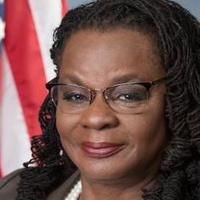
Gwen Moore
Representative
WI
Gwen Moore
Representative
WI
The SNAP Back Act of 2025 amends the Food and Nutrition Act of 2008 to expand exemptions from SNAP work requirements. This bill adds individuals who are currently homeless, all veterans, and former foster youth (aged 24 or younger) to the list of those considered "disabled individuals" for SNAP purposes. This change aims to make these specific vulnerable populations eligible for SNAP benefits without meeting standard work activity rules.
This resolution expresses deep concern over the surge in book banning and threats to free expression, urging the immediate restoration of removed materials in federal schools and the repeal of restrictive directives.
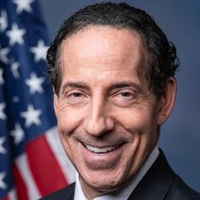
Jamie Raskin
Representative
MD
Jamie Raskin
Representative
MD
This resolution expresses deep concern over the growing trend of book banning and threats to freedom of expression in U.S. schools and libraries. It asserts that such censorship undermines democratic values and harms students by restricting access to diverse ideas and histories. The bill urges local entities to follow best practices for book challenges and calls for the immediate reinstatement of books removed from Department of Defense schools. Ultimately, it reaffirms the nation's commitment to First Amendment rights and the freedom to read.
This resolution expresses support for designating October 2025 as National Learning Disabilities Awareness Month while urging action to address the significant achievement gaps faced by students with Specific Learning Disabilities.
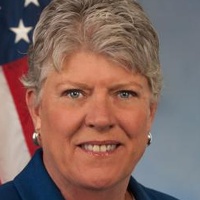
Julia Brownley
Representative
CA
Julia Brownley
Representative
CA
This resolution expresses support for designating October 2025 as National Learning Disabilities Awareness Month to highlight the significant academic challenges faced by students with Specific Learning Disabilities (SLD). It emphasizes that SLDs are the most common disability category under IDEA, yet these students show alarmingly low proficiency rates in reading and math. The bill urges early screening and calls on educational agencies to ensure these students receive the required specialized instruction and support to achieve success.
This act ensures federal employees furloughed due to a lapse in government funding are reimbursed for childcare expenses incurred during that period.

Ilhan Omar
Representative
MN
Ilhan Omar
Representative
MN
The Federal Worker Childcare Protection Act of 2025 aims to reimburse federal employees for childcare expenses incurred during periods of government shutdown or lapse in funding. Eligible employees who were furloughed or unpaid due to a funding lapse can receive reimbursement by submitting proof of payment to the GSA. This provision is contingent upon Congress appropriating the necessary funds.
This Act prohibits the Department of Veterans Affairs from discriminating against veterans based on gender identity in healthcare, ensuring access to medically necessary treatments like those for gender dysphoria.
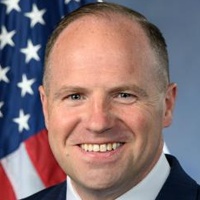
Timothy Kennedy
Representative
NY
Timothy Kennedy
Representative
NY
The Veterans Healthcare Equality Act of 2025 explicitly prohibits the Department of Veterans Affairs (VA) from discriminating against veterans based on gender identity when providing healthcare services. This law mandates that the VA must furnish medically necessary treatments, including those for gender dysphoria, prescribed by a healthcare provider. Furthermore, the VA Secretary is required to provide regular updates to Congress regarding the implementation of these non-discrimination protections.
This Act provides appropriations and mandates contract price adjustments to compensate federal contractor employees for losses incurred due to funding lapses or government shutdowns.
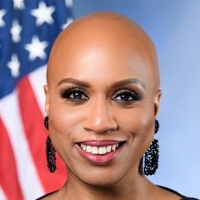
Ayanna Pressley
Representative
MA
Ayanna Pressley
Representative
MA
The Fair Pay for Federal Contractors Act of 2025 ensures that employees of federal contractors are compensated for losses incurred due to government funding lapses or shutdowns. It requires federal agencies to adjust existing contracts to cover reasonable costs associated with furloughs, pay cuts, or mandatory leave taken by contractor employees. The bill appropriates necessary funds to cover these contract price adjustments and mandates public reporting on the compensation provided.
The Child Care for Every Community Act establishes a national framework to guarantee universal access to high-quality, regulated early learning programs with mandated national standards and comparable pay for staff.
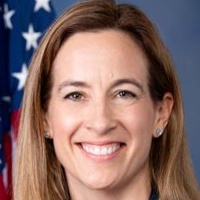
Mikie Sherrill
Representative
NJ
Mikie Sherrill
Representative
NJ
The Child Care for Every Community Act establishes a national framework to guarantee universal access to high-quality, regulated child care and early learning programs for every young child. It mandates federal standards for quality, ensures child care staff receive pay comparable to K-12 employees, and requires local coordination with school systems. Furthermore, the bill protects existing state funding levels and caps family fees based on income.
This resolution formally reaffirms the foundational principle of the separation of church and state while opposing extreme right-wing Christian nationalism, citing key historical addresses and anniversaries.
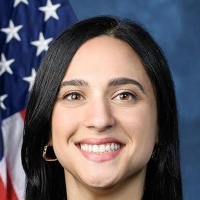
Yassamin Ansari
Representative
AZ
Yassamin Ansari
Representative
AZ
This resolution formally reaffirms the foundational American principle of the separation of church and state, citing historical context and key figures. It strongly opposes the rise of extreme right-wing Christian nationalism as a threat to religious diversity and democracy. The measure also commemorates the 65th anniversary of President Kennedy's address on this separation and the 150th anniversary of a speech by President Grant. Ultimately, this is a statement recognizing core values rather than enacting new law.
The No Shame at School Act of 2025 mandates that schools must eliminate meal debt stigma by prohibiting overt identification of students who owe fees and ensuring immediate action to certify eligible children for free or reduced-price meals.
Ilhan Omar
Representative
MN
Ilhan Omar
Representative
MN
The No Shame at School Act of 2025 mandates that schools must stop shaming students over unpaid meal debt by prohibiting overt identification or segregation of students who owe fees. This law requires local agencies to actively pursue free meal certification for students with outstanding balances and prevents schools from taking food away after it has been served. Furthermore, it establishes strict rules for debt collection, forbidding communication directed at the child and banning the use of third-party debt collectors.
This bill mandates that certain new medical devices must be designed to be fully usable by individuals who are blind or have low vision.
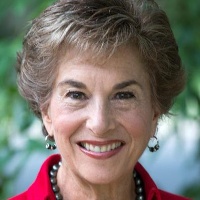
Janice Schakowsky
Representative
IL
Janice Schakowsky
Representative
IL
The Medical Device Nonvisual Accessibility Act of 2025 mandates that certain new medical devices must be designed to be fully usable by individuals who are blind or have low vision. This ensures that users can access information and operate life-saving equipment independently and privately, similar to sighted users. The FDA is tasked with establishing specific nonvisual accessibility standards for these covered devices within a set timeline. Devices failing to meet these standards after the effective date will be deemed adulterated.
This bill provides emergency funding to ensure the continuation of key Small Business Administration loan programs for 30 days during a government shutdown in fiscal year 2026.
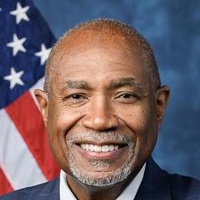
Herbert Conaway
Representative
NJ
Herbert Conaway
Representative
NJ
The Funding Small Businesses During Shutdown Act ensures that critical Small Business Administration (SBA) loan servicing programs can continue operating for 30 days during a government shutdown in fiscal year 2026. This legislation allocates specific funds to cover the salaries and operating costs necessary to maintain key SBA loan functions. The goal is to prevent disruptions to small business lending support during a lapse in appropriations.
This bill directs the President to immediately remove U.S. Armed Forces from hostilities against Venezuela and certain criminal organizations unless Congress specifically authorizes the use of force.
Ilhan Omar
Representative
MN
Ilhan Omar
Representative
MN
This bill directs the President to immediately remove United States Armed Forces from hostilities against the Bolivarian Republic of Venezuela and certain designated criminal groups. Congress asserts that these military actions lack the necessary constitutional authorization or a declaration of war. The resolution mandates withdrawal unless Congress subsequently passes specific authorization or the U.S. is subject to an armed attack.
**Katie Meyer's Law mandates that colleges receiving federal funding must offer students accused of misconduct the option of having a trained adviser present during disciplinary proceedings.**
Julia Brownley
Representative
CA
Julia Brownley
Representative
CA
Katie Meyer's Law mandates that colleges and universities receiving federal funding must provide students accused of code of conduct violations the option to have a trained adviser assist them through the disciplinary process. Students can choose their own adviser or request an independent one provided by the institution. Additionally, the bill updates campus security reporting requirements to include incidents of suicide.
This resolution condemns using federal regulatory power or litigation to suppress lawful political speech critical of a party or the President, warning against authoritarianism.
Yassamin Ansari
Representative
AZ
Yassamin Ansari
Representative
AZ
This resolution strongly condemns attempts to use federal regulatory power or litigation to suppress lawful speech critical of a political party or the President. It reaffirms the fundamental importance of the First Amendment and warns that such actions resemble tactics used by authoritarian regimes. The bill urges government agencies to protect free expression and ensure accountability, not political censorship.
The Safe Step Act mandates that group health plans using medication step therapy establish clear, timely exception processes for patients and doctors when required drugs are medically inappropriate or ineffective.
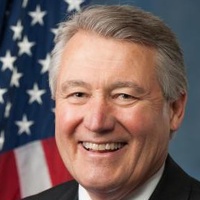
Rick Allen
Representative
GA
Rick Allen
Representative
GA
The Safe Step Act establishes mandatory, transparent exception processes for health plans that use "step therapy" protocols for prescription drugs. This ensures patients or their doctors can quickly request coverage for a prescribed medication when specific clinical criteria are met, such as previous treatment failure or risk of harm. Plans must decide on standard requests within 72 hours and urgent requests within 24 hours, and approved exceptions must last for at least one year. Furthermore, insurers must report detailed data annually on exception requests, approvals, and denials to the Secretary of Health and Human Services.
This resolution expresses support for designating a week in September 2025 to recognize the vital contributions of Asian American and Native American Pacific Islander-Serving Institutions in higher education.
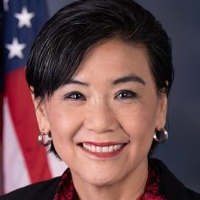
Judy Chu
Representative
CA
Judy Chu
Representative
CA
This resolution expresses strong support for recognizing September 22–28, 2025, as "Asian American and Native American Pacific Islander-Serving Institutions Week." It highlights the critical role these institutions play in educating a significant portion of AANAPISI students, many of whom are first-generation and low-income. The bill encourages national acknowledgment and support for the programs and achievements of these vital colleges and universities.
This resolution formally recognizes the historical significance of the Vietnamese Heritage Flag as a symbol of freedom and democracy for the Vietnamese-American community.
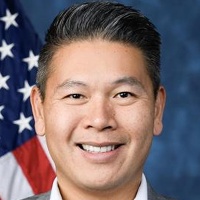
Derek Tran
Representative
CA
Derek Tran
Representative
CA
This resolution formally recognizes the historical significance of the yellow flag with three red stripes as the former flag of the Republic of Vietnam. Congress acknowledges this flag as a powerful symbol of freedom and democracy for the Vietnamese-American community. The bill affirms the flag's importance to those who fled communism and their enduring commitment to democratic values.