Legislative Activity
Track Lateefah's sponsored bills, co-sponsored legislation, and voting record
This act establishes a $10 million childcare grant program to help parents cover costs while participating in job training activities.

Robert Menendez
Representative
NJ
Robert Menendez
Representative
NJ
The Parental Workforce Training Act establishes a $10 million childcare grant program to support parents participating in job training. Local workforce development boards will receive competitive grants to help eligible individuals cover childcare costs while they engage in employment and training activities. This initiative aims to remove childcare barriers for parents seeking to enhance their job skills.
This bill repeals harmful provisions of a previous act, exempts unaccompanied children from various immigration fees, and restricts the use of their sponsor information for enforcement purposes.

Dan Goldman
Representative
NY
Dan Goldman
Representative
NY
The Upholding Protections for Unaccompanied Children Act of 2025 seeks to reverse harmful provisions affecting unaccompanied children. This bill eliminates various immigration-related fees for current and former unaccompanied children, including those for asylum and employment authorization. It also prohibits physically intrusive medical examinations and restricts the sharing of sponsor information with immigration enforcement agencies. Furthermore, the Act mandates the refunding of previously paid fees.
The Dignity for Detained Immigrants Act establishes comprehensive standards, rigorous oversight, and new custody procedures to ensure humane treatment and due process for all noncitizens detained by the Department of Homeland Security, while phasing out for-profit detention facilities.

Pramila Jayapal
Representative
WA
Pramila Jayapal
Representative
WA
The Dignity for Detained Immigrants Act aims to overhaul immigration detention by establishing mandatory, high standards based on ABA guidelines and increasing transparency through rigorous, unannounced inspections. The bill prohibits the use of private, for-profit detention facilities within three years and ends the mandatory detention of most noncitizens, prioritizing release or community-based alternatives. Furthermore, it establishes new due process rights, including timely custody hearings, a presumption of release, and prohibitions on detaining children or using solitary confinement.
This act grants non-citizens in removal proceedings the right to request and receive a virtual hearing via video or telephone conference, provided it does not prejudice their case.
Suzanne Bonamici
Representative
OR
Suzanne Bonamici
Representative
OR
The Migrant Due Process Protection Act grants non-citizens in removal proceedings the right to request that their hearings be conducted virtually via video or telephone conference. Immigration judges are required to grant these requests, provided the virtual format does not prejudice the non-citizen's case. This legislation amends existing immigration law to expand access to remote hearings.
This Act prohibits sellers from price gouging on goods affected by tariffs for five years by limiting price increases to direct tariff-related costs, with specific enforcement provisions and reporting requirements managed by the FTC.

Rosa DeLauro
Representative
CT
Rosa DeLauro
Representative
CT
The No GOUGE Act prohibits sellers from raising the price of "tariffed goods" by more than the direct costs resulting from a new or planned tariff for five years. This prevents companies from using tariffs as an excuse to charge unreasonably high prices, with specific rules for final goods, assembled products, and components. The Federal Trade Commission (FTC) is tasked with enforcement, while large companies face a presumption of violation following major tariff announcements. The bill also mandates annual reports from the FTC and other agencies detailing price changes and enforcement actions.
This resolution declares that reproductive justice and immigrant justice are inseparable and calls for ending discriminatory barriers to comprehensive reproductive healthcare for all immigrants.
Delia Ramirez
Representative
IL
Delia Ramirez
Representative
IL
This resolution declares that immigrant justice and reproductive justice are inseparable, demanding that both movements be pursued together. It condemns systemic failures and policies that deny immigrants access to necessary reproductive health care while in custody or in the community. The resolution calls on Congress and federal agencies to eliminate barriers to health coverage and ensure equitable, comprehensive reproductive care for all individuals, regardless of immigration status.
This act exempts small businesses from duties imposed under Executive Order 14257 and mandates refunds for any such duties already paid.
Kelly Morrison
Representative
MN
Kelly Morrison
Representative
MN
The Small Business RELIEF Act exempts qualified small businesses from duties imposed under Executive Order 14257. It also mandates that the President refund any such duties already paid by small businesses within 90 days of enactment. This legislation aims to provide economic fairness and relief to small importers.
The Find It Early Act mandates no-cost coverage for additional, recommended breast cancer screenings for high-risk individuals across private insurance, Medicare, Medicaid, TRICARE, and VA health programs starting in 2026.
Rosa DeLauro
Representative
CT
Rosa DeLauro
Representative
CT
The Find It Early Act mandates that certain individuals at increased risk for breast cancer receive additional, recommended screenings with no out-of-pocket costs. This coverage requirement applies across private health plans, Medicare, Medicaid, TRICARE, and the Department of Veterans Affairs. These provisions are set to take effect starting January 1, 2026.
This Act prohibits discrimination based on religion, sex, or marital status in federally funded child welfare services to improve outcomes for all children, especially LGBTQ youth.

Danny Davis
Representative
IL
Danny Davis
Representative
IL
The John Lewis Every Child Deserves a Family Act prohibits discrimination based on religion, sex, or marital status in federally funded child welfare services. This aims to increase the number of stable, family-like placements for children, especially for LGBTQ youth who are overrepresented in foster care. The bill mandates federal guidance, training, and data collection to improve safety and well-being outcomes for all children involved in the system.
This bill expands Medicare drug price negotiation to private insurance, applies inflation rebates to commercial drugs, and establishes annual out-of-pocket limits for prescription drugs under private health insurance.
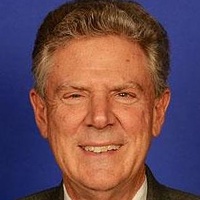
Frank Pallone
Representative
NJ
Frank Pallone
Representative
NJ
The Lowering Drug Costs for American Families Act aims to significantly reduce prescription drug expenses for consumers. It expands the federal drug price negotiation program to cover more drugs and extends negotiated prices to most private health insurance plans. Furthermore, the bill applies inflation rebates to the commercial market and establishes new annual out-of-pocket spending caps for prescription drugs under private insurance starting in 2027. It also sets specific, lower cost-sharing requirements for covered insulin products.
This resolution recognizes the epidemic of violence against transgender people, memorializes those lost this year, and calls for action to ensure their safety and dignity.
Pramila Jayapal
Representative
WA
Pramila Jayapal
Representative
WA
This resolution supports the goals of Transgender Day of Remembrance by recognizing the ongoing epidemic of violence targeting transgender people, particularly transgender women of color. It memorializes the lives lost this year and highlights the systemic barriers, including discrimination and lack of healthcare access, faced by the transgender community. The bill calls for urgent action from the government to protect these lives through inclusive legislation and policies that ensure dignity and respect for all individuals.
This resolution expresses the sense of the House supporting the fundamental rights and protections for youth in the foster care system.
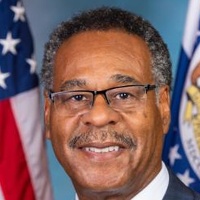
Emanuel Cleaver
Representative
MO
Emanuel Cleaver
Representative
MO
This House Resolution expresses the sense of Congress in support of the rights of youth currently or formerly in the foster care system. It highlights concerning statistics regarding educational attainment and maltreatment within the system. The resolution affirms that foster youth should have specific rights, including access to education, necessary healthcare, and protection from abuse.
This bill officially renames the United States Postal Service facility at 28201 Franklin Parkway in Santa Clarita, California, as the "Deputy Ryan Clinkunbroomer Post Office Building."
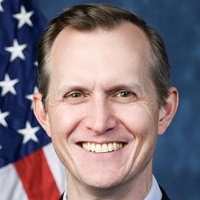
George Whitesides
Representative
CA
George Whitesides
Representative
CA
This bill officially designates the United States Postal Service facility at 28201 Franklin Parkway in Santa Clarita, California, as the "Deputy Ryan Clinkunbroomer Post Office Building." The legislation ensures that all future official references to this location will use the new name.
This bill establishes sanctions against foreign individuals responsible for human rights violations against LGBTQI people and mandates enhanced tracking and reporting of such abuses in annual human rights reports.
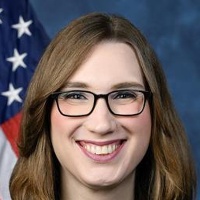
Sarah McBride
Representative
DE
Sarah McBride
Representative
DE
The Global Respect Act aims to promote and protect the human rights of LGBTQI individuals worldwide. It mandates the President to identify and report foreign persons responsible for human rights violations against LGBTQI people, leading to their inadmissibility to the United States. Furthermore, the Act requires enhanced tracking and reporting of violence and discrimination targeting individuals based on sexual orientation, gender identity, or sex characteristics in the annual human rights reports.
The EXPERTS Act of 2025 aims to reform federal rulemaking by increasing transparency around submitted studies, establishing new disclosure requirements for conflicts of interest, streamlining agency review timelines, and creating an Office of the Public Advocate focused on social equity.
Pramila Jayapal
Representative
WA
Pramila Jayapal
Representative
WA
The EXPERTS Act of 2025 aims to enhance transparency and accountability in the federal rulemaking process. It introduces new disclosure requirements for studies submitted during public comment periods and mandates greater public awareness of agency actions. Furthermore, the bill establishes the Office of the Public Advocate to improve public involvement and explicitly requires agencies to consider social equity in their cost-benefit analyses. Finally, it streamlines the Office of Information and Regulatory Affairs (OIRA) review timeline and clarifies judicial review standards for agency interpretations.
This Act prohibits rental property owners from engaging in coordinated activities that effectively fix or influence rental prices, treating such coordination as an illegal restraint of trade under existing antitrust laws.
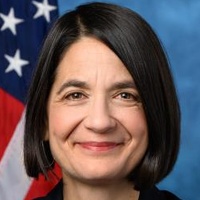
Becca Balint
Representative
VT
Becca Balint
Representative
VT
The End Rent Fixing Act of 2025 prohibits rental property owners from hiring coordinators or engaging in activities that involve collecting, analyzing, or recommending rental prices or terms across multiple properties. This coordinated activity is deemed an unlawful restraint of trade under existing antitrust laws. The bill grants enforcement power to the FTC, the Attorney General, and State Attorneys General, while also allowing injured persons to sue for treble damages. Furthermore, it lowers the pleading standard for civil lawsuits brought under this Act and related antitrust claims.
This act mandates Medicare coverage for FDA-approved early detection screening tests for Alzheimer's disease and related dementias beginning in 2028.
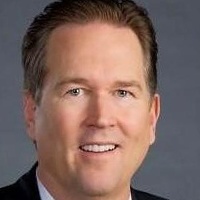
Vern Buchanan
Representative
FL
Vern Buchanan
Representative
FL
The Alzheimer’s Screening and Prevention Act of 2025 (ASAP Act) amends Medicare to cover early detection screening tests for Alzheimer's disease and related dementias starting in 2028. This coverage applies to FDA-cleared tests, including genomic sequencing and other equivalent diagnostic methods, designed to detect pre-symptomatic or early-stage conditions. The bill ensures these screenings are added to the list of covered medical services under Medicare.
This bill authorizes the minting and sale of commemorative gold, silver, and clad coins in 2029 to celebrate the history and contributions of the United States Foreign Service, with surcharges benefiting the Association for Diplomatic Studies and Training.
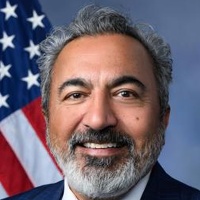
Ami Bera
Representative
CA
Ami Bera
Representative
CA
This Act authorizes the Secretary of the Treasury to mint and issue a series of commemorative gold, silver, and clad coins in 2029 to celebrate the centennial of the United States Foreign Service. The coins will feature designs representing the importance of American diplomacy and the contributions of the Foreign Service. All surcharges collected from the sale of these coins will be paid to the Association for Diplomatic Studies and Training to support its historical preservation work. The Treasury must ensure that the minting and issuance of these coins result in no net cost to the U.S. government.
The CLOSE Act removes the Clean Air Act exemption for aggregating oil and gas emissions and mandates the EPA to list hydrogen sulfide as a hazardous air pollutant.
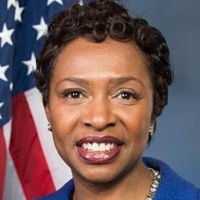
Yvette Clarke
Representative
NY
Yvette Clarke
Representative
NY
The CLOSE Act aims to strengthen air quality regulations by removing the exemption that previously allowed for the aggregation of emissions from oil and gas sources under the Clean Air Act. Furthermore, this legislation mandates the EPA to formally list hydrogen sulfide as a hazardous air pollutant. This action will require the EPA to establish specific source categories for hydrogen sulfide emissions, including oil and gas wells.
This bill mandates regular testing and public reporting of nearby drinking water sources for all hydraulic fracturing operations that inject fluids underground.

Janice Schakowsky
Representative
IL
Janice Schakowsky
Representative
IL
The Safe Hydration is an American Right in Energy Development Act of 2025 amends the Safe Drinking Water Act to establish new testing and reporting requirements for hydraulic fracturing (fracking) operations. This bill prohibits fracking injection unless operators agree to test nearby underground drinking water sources according to a set schedule and submit results to the EPA. The EPA is required to create a publicly accessible database of all submitted test results.