Legislative Activity
Track Kim's sponsored bills, co-sponsored legislation, and voting record
This Act raises the minimum age for Federal Firearms Licensees to sell certain semiautomatic rifles and shotguns to 21, with exceptions for qualified individuals aged 18-20, and mandates an FBI report on its public access line operations.
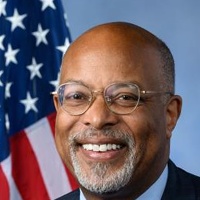
Glenn Ivey
Representative
MD
Glenn Ivey
Representative
MD
The Raise the Age Act of 2025 generally prohibits Federal Firearms Licensees from selling certain semiautomatic centerfire rifles or shotguns capable of holding magazines over five rounds to anyone under 21, with exceptions for qualified military or government personnel. The bill also maintains the existing minimum age of 18 for general firearm purchases, excluding the newly restricted categories. Finally, it mandates that the FBI Director report on the operational procedures of its public access line within 90 days of enactment.
This Act mandates a disclaimer on standard mortgage applications directing service members to inquire about VA Home Loan eligibility.
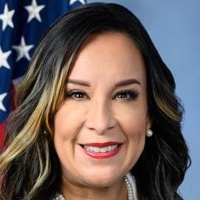
Mónica De La Cruz
Representative
TX
Mónica De La Cruz
Representative
TX
The VA Home Loan Awareness Act of 2025 mandates the addition of a disclaimer on standard mortgage applications, informing applicants who indicate military service that they may qualify for a VA Home Loan. This ensures veterans and service members are immediately directed to explore their VA loan eligibility when applying for a mortgage. The bill also requires the GAO to study the effectiveness of this new disclaimer requirement among lenders.
The Paycheck Fairness Act strengthens equal pay enforcement by tightening defenses against pay discrimination, expanding protections against retaliation, increasing penalties for violations, and requiring comprehensive data collection and training initiatives.

Rosa DeLauro
Representative
CT
Rosa DeLauro
Representative
CT
The Paycheck Fairness Act significantly strengthens federal equal pay protections by broadening definitions of sex discrimination, tightening employer defenses against pay disparities, and increasing penalties for violations. It also prohibits employers from using salary history in hiring decisions and mandates new data collection by the EEOC to better enforce anti-discrimination laws. Furthermore, the bill establishes new training and outreach programs to combat systemic wage bias.
This bill officially ratifies the Equal Rights Amendment, validating its inclusion in the Constitution regardless of any prior ratification deadlines.

Ayanna Pressley
Representative
MA
Ayanna Pressley
Representative
MA
This bill officially ratifies the Equal Rights Amendment, declaring it a valid part of the U.S. Constitution. It specifically removes any previously imposed deadlines for state ratification. If three-fourths of the states have approved the amendment, this law confirms its official status regardless of past time constraints.
The Innovative FEED Act of 2025 establishes a new regulatory pathway under the FDA for substances added to animal food intended to modify digestive byproducts, reduce foodborne pathogens, or alter gut function without providing nutrition.
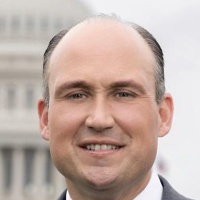
Nicholas Langworthy
Representative
NY
Nicholas Langworthy
Representative
NY
The Innovative FEED Act of 2025 establishes a new regulatory category for "zootechnical animal food substances" intended to modify animal digestive byproducts or reduce foodborne pathogens without treating disease. This bill mandates that these new substances must undergo the standard food additive approval process with the FDA, requiring petitioners to provide extensive data on their intended effects. Approval is contingent upon proving the substance achieves its claimed function under proposed use conditions, and all resulting animal food must carry a specific disclaimer stating it is not for disease treatment.
The Air America Act of 2025 authorizes one-time monetary awards to former Air America employees or their survivors for service supporting the CIA between 1950 and 1976.
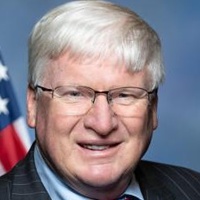
Glenn Grothman
Representative
WI
Glenn Grothman
Representative
WI
The Air America Act of 2025 recognizes the sacrifices of former Air America employees who served the U.S. Government between 1950 and 1976. This Act authorizes a one-time monetary award, up to $40,000 plus potential additional amounts, for qualifying service members or their survivors. The CIA Director is responsible for administering these payments, which are capped at a total of $60 million, and establishing the application procedures. Decisions made by the Director regarding these awards are final and not subject to judicial review.
The Major Richard Star Act ensures that military retirees with combat-related disabilities can concurrently receive their full military retirement pay and VA disability compensation without reduction.

Gus Bilirakis
Representative
FL
Gus Bilirakis
Representative
FL
The Major Richard Star Act ensures that military retirees with combat-related disabilities can receive both their military retirement pay and VA disability compensation concurrently without reduction. This law removes previous restrictions that caused military retirement pay to be offset by VA disability payments for these specific cases. The changes take effect on the first day of the month following the Act's enactment.
This Act establishes a federal strategy to prevent the trafficking of machinegun conversion devices, mandates forfeiture of profits from illegal machine gun activities, and requires specific reporting on these devices.

Sean Casten
Representative
IL
Sean Casten
Representative
IL
The Preventing Illegal Weapons Trafficking Act of 2025 mandates the creation of a federal strategy to intercept and seize illegal machinegun conversion devices entering or moving within the U.S. It also enhances penalties by allowing the forfeiture of proceeds derived from illegal machine gun trafficking. Furthermore, the Attorney General must now specifically report on crimes involving these conversion devices in the annual firearms trafficking report.
The HELPER Act of 2025 establishes a new FHA mortgage insurance program offering 100% financing with an upfront premium and no monthly premiums for eligible first responders, educators, and law enforcement officers.
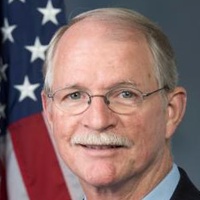
John Rutherford
Representative
FL
John Rutherford
Representative
FL
The HELPER Act of 2025 establishes a new FHA mortgage insurance program to assist first responders, educators, and law enforcement officers in purchasing homes. This program offers eligible first-time homebuyers 100% financing with no down payment required. Instead of monthly premiums, borrowers pay an upfront FHA insurance premium at closing.
The Safe Vehicle Access for Survivors Act mandates that connected vehicle service providers quickly terminate an abuser's remote access to a survivor's vehicle upon request, while protecting the survivor's privacy and ensuring no fees are charged for the action.

Debbie Dingell
Representative
MI
Debbie Dingell
Representative
MI
The Safe Vehicle Access for Survivors Act mandates that providers of connected vehicle services must quickly terminate an abuser's remote access to a survivor's vehicle upon request, without imposing fees or requiring co-owner consent. This legislation requires providers to secure the survivor's information, offer clear instructions for regaining sole control, and establish specific notification procedures for all actions taken. The FCC is tasked with creating detailed regulations to ensure survivor safety and data confidentiality within two years of the bill's enactment.
This bill establishes a new federal tax credit to incentivize investments in maintaining and improving existing hydroelectric facilities and restoring rivers through approved environmental and safety upgrades.

Adrian Smith
Representative
NE
Adrian Smith
Representative
NE
The Maintaining and Enhancing Hydroelectricity and River Restoration Act establishes a new federal tax credit to incentivize investments in improving existing hydroelectric facilities. This credit covers 30% of the cost for property that enhances fish passage, water quality, dam safety, or facilitates the removal of obsolete river obstructions. Furthermore, the bill allows taxpayers to elect direct payment or transferability for this new credit.
This act exempts individuals and businesses deriving at least 75% of their adjusted gross income from farming, ranching, or forestry from certain payment limitations for specified agricultural disaster programs.
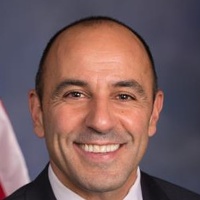
Jimmy Panetta
Representative
CA
Jimmy Panetta
Representative
CA
The Fair Access to Agriculture Disaster Programs Act creates an exception to income limits for certain federal agriculture disaster payments. This exception applies to individuals or businesses where at least 75% of their average adjusted gross income is derived from farming, ranching, or forestry. Consequently, these deeply involved agricultural producers will not be subject to standard payment caps on specific disaster assistance programs.
This act expands the Work Opportunity Tax Credit to include employers who hire qualified military spouses.

Donald Beyer
Representative
VA
Donald Beyer
Representative
VA
The Military Spouse Hiring Act amends the Internal Revenue Code to expand eligibility for the Work Opportunity Tax Credit (WOTC). This change allows employers to claim the tax credit for hiring qualified military spouses. A qualified military spouse is defined as someone certified as being married to a member of the U.S. Armed Forces.
The Caring for Survivors Act of 2025 increases dependency and indemnity compensation for surviving spouses and lowers the required period of total disability rating before death for survivors to qualify for certain benefits.
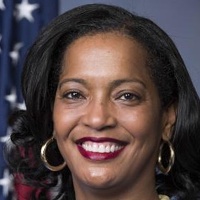
Jahana Hayes
Representative
CT
Jahana Hayes
Representative
CT
The Caring for Survivors Act of 2025 aims to increase financial support for surviving spouses of veterans. This bill raises the monthly Dependency and Indemnity Compensation (DIC) payment rate for surviving spouses. Additionally, it lowers the required duration of total disability rating before death from ten years to five years for survivors to qualify for certain DIC benefits. If the disability period was between five and ten years, the benefit amount will be proportionally adjusted.
This Act eliminates the waiting periods for Social Security disability benefits and Medicare coverage for individuals diagnosed with metastatic breast cancer.
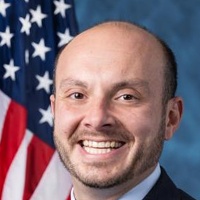
Andrew Garbarino
Representative
NY
Andrew Garbarino
Representative
NY
The Metastatic Breast Cancer Access to Care Act aims to improve support for individuals diagnosed with metastatic breast cancer. This bill eliminates the standard waiting period for receiving Social Security disability insurance benefits and waives the 24-month waiting period for Medicare coverage. These changes ensure immediate access to crucial financial and healthcare support upon diagnosis.
This bill significantly increases federal loan limits for farm ownership, operating, and microloans, updates inflation calculations for rural programs, and establishes conditions for refinancing distressed guaranteed loans into direct FSA loans.
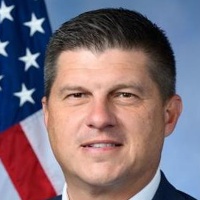
Brad Finstad
Representative
MN
Brad Finstad
Representative
MN
The Producer and Agricultural Credit Enhancement Act of 2025 significantly increases the maximum loan amounts available through federal farm ownership and operating loan programs, effective in fiscal year 2025. The bill also updates the calculation method for inflation adjustments in rural development programs and raises the cap for agricultural microloans from $\$50,000$ to $\$100,000$. Finally, it establishes conditions under which distressed FSA guaranteed loans may be refinanced into direct loans, provided the operation has a reasonable chance of success.
This Act establishes a Department of Veterans Affairs program to furnish eligible veterans with U.S.-made, secure firearm storage lockboxes or vouchers, alongside educational materials promoting suicide prevention.

Chris Deluzio
Representative
PA
Chris Deluzio
Representative
PA
The Saving Our Veterans Lives Act of 2025 establishes a new Department of Veterans Affairs (VA) program to provide eligible veterans and former service members with secure, U.S.-made firearm storage lockboxes or vouchers. This initiative aims to promote safe firearm storage as a suicide prevention measure through distribution and public awareness campaigns. The law explicitly states that participation will not affect an individual's legal right to own firearms or require any form of firearm registration.
This act amends the tax code to give businesses the option to immediately deduct or amortize (spread out over at least five years) their research and experimental expenditures.
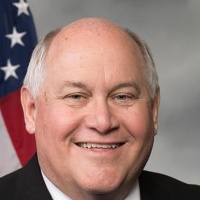
Ron Estes
Representative
KS
Ron Estes
Representative
KS
The American Innovation and R&D Competitiveness Act of 2025 revises how businesses treat research and experimental (R&E) expenditures for tax purposes. Taxpayers can now choose between immediately deducting R&E costs or amortizing them over a period of at least 60 months. This legislation also makes technical adjustments to ensure consistency between immediate deductions and claiming the research tax credit.
The HERO Act establishes a national data system for tracking public safety officer suicides, funds peer-support mental health programs for fire and EMS personnel, supports wellness programs for healthcare providers, and develops educational resources and best practices for treating first responder mental health issues.
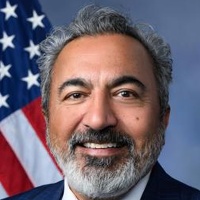
Ami Bera
Representative
CA
Ami Bera
Representative
CA
The HERO Act establishes a national system to track suicides among public safety officers to better understand prevention needs. It also creates grant programs to fund peer-support and wellness programs for fire, EMS, and healthcare workers. Finally, the bill mandates the development of educational resources to improve mental health treatment for first responders dealing with trauma and PTSD.
This bill establishes a process for setting Medicare payment rates for new medical technologies specifically designed for children.
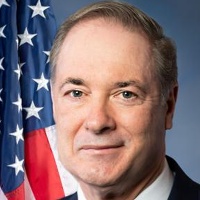
John Joyce
Representative
PA
John Joyce
Representative
PA
The Access to Pediatric Technologies Act of 2025 aims to establish clear Medicare payment rates for new medical tools specifically designed for children. This bill mandates that the Secretary establish national relative value units (RVUs) for qualifying pediatric technologies upon manufacturer request and sufficient data submission. The goal is to ensure these specialized pediatric devices receive appropriate reimbursement under the physician fee schedule starting in 2026.