Legislative Activity
Track Kim's sponsored bills, co-sponsored legislation, and voting record
The Vet CENTERS for Mental Health Act of 2026 mandates that the Department of Veterans Affairs establish and maintain a minimum number of Vet Centers in every state based on geographic size and veteran population.
Thomas Kean
Representative
NJ
Thomas Kean
Representative
NJ
The Vet CENTERS for Mental Health Act of 2026 mandates that the Department of Veterans Affairs ensure every state meets a minimum threshold of Vet Centers based on land area and veteran population. This legislation aims to improve accessibility by requiring the establishment of additional centers or outstations to guarantee that veterans nationwide have consistent, reliable access to mental health resources.
The ASSET Act eliminates restrictive asset limits for TANF, SNAP, and LIHEAP programs and increases resource limits for Supplemental Security Income (SSI) to help low-income families build financial security.
Jimmy Gomez
Representative
CA
Jimmy Gomez
Representative
CA
The Allowing Steady Savings by Eliminating Tests (ASSET) Act aims to improve financial security for low-income families by removing restrictive asset limits in key federal assistance programs, including TANF, SNAP, and LIHEAP. Additionally, the bill significantly increases and indexes resource limits for Supplemental Security Income (SSI) to account for inflation. These changes are designed to help families build savings and reduce reliance on public assistance without the fear of losing essential benefits.
The RESCUE Act of 2026 updates Medicare payment rates for ground and air ambulance services to better reflect actual operational costs while mandating new data reporting requirements for air ambulance providers.
August Pfluger
Representative
TX
August Pfluger
Representative
TX
The RESCUE Act of 2026 updates Medicare payment rates for ground and air ambulance services to better reflect the actual costs of providing emergency care. The bill mandates regular rate adjustments based on current operational data, expands cost-reporting requirements for air ambulance providers, and establishes a stakeholder commission to ensure the long-term adequacy of ambulance service reimbursement.
The Healthy Recess for Learning Act encourages school districts to provide students with at least 60 minutes of daily physical activity to improve student health and academic performance.
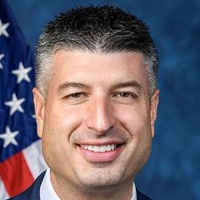
Tom Barrett
Representative
MI
Tom Barrett
Representative
MI
The Healthy Recess for Learning Act encourages school districts to provide students with at least 60 minutes of daily physical activity, including recess and physical education. By amending the Elementary and Secondary Education Act, the bill supports schools in integrating these healthy habits to improve student focus, behavior, and academic performance.
The TPS Review Act strengthens judicial oversight and establishes congressional review for decisions to terminate Temporary Protected Status, ensuring that such actions are evidence-based and subject to legal challenge.
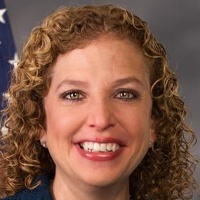
Debbie Wasserman Schultz
Representative
FL
Debbie Wasserman Schultz
Representative
FL
The Temporary Protected Status (TPS) Review Act strengthens oversight of government decisions to terminate TPS designations by reinstating judicial review and requiring that such decisions be supported by a comprehensive administrative record. The bill also subjects TPS terminations to congressional review under the Congressional Review Act, ensuring these decisions are subject to greater accountability. Additionally, it provides legal protections for beneficiaries by automatically staying terminations during the pendency of any legal challenges.
The Rural Hospital Cybersecurity Enhancement Act mandates the development of a national workforce strategy and free instructional resources to improve cybersecurity training and staffing within rural healthcare facilities.
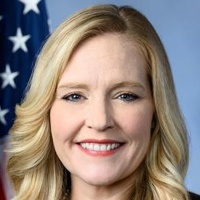
Erin Houchin
Representative
IN
Erin Houchin
Representative
IN
The Rural Hospital Cybersecurity Enhancement Act directs the Secretary of Health and Human Services to develop a comprehensive workforce strategy to address cybersecurity staffing shortages in rural healthcare facilities. The bill also mandates the creation and promotion of free, accessible cybersecurity training materials to help rural hospital staff implement essential digital security practices. These initiatives aim to strengthen the cyber resilience of rural health systems through interagency collaboration and education without requiring additional federal appropriations.
The Right to IVF Act of 2026 establishes a nationwide right to fertility care, mandates comprehensive insurance coverage for reproductive services, and expands access to fertility treatments for veterans and federal employees.
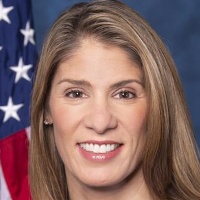
Lori Trahan
Representative
MA
Lori Trahan
Representative
MA
The Right to IVF Act of 2026 establishes a nationwide statutory right to access assisted reproductive technology (ART) and intrauterine insemination (IUI) while prohibiting states from imposing restrictive barriers. The bill further expands family-building support by mandating comprehensive fertility coverage across private insurance, Medicare, Medicaid, and federal employee health plans. Additionally, it guarantees expanded access to fertility services and preservation for military service members and veterans.
This bill reauthorizes the Accelerating Access to Critical Therapies for ALS Act through 2031 while enhancing grant oversight, safety reporting requirements, and FDA strategic planning for rare neurodegenerative diseases.

Mike Quigley
Representative
IL
Mike Quigley
Representative
IL
The Accelerating Access to Critical Therapies for ALS Reauthorization Act of 2026 extends vital funding for ALS research and clinical trial programs through 2031. This legislation strengthens oversight by enhancing grant review processes, improving safety reporting requirements, and mandating a comprehensive five-year FDA action plan to accelerate the development of treatments for rare neurodegenerative diseases.
The Wildfire Reduction Market Expansion Act of 2026 amends the Clean Air Act to expand the definition of "renewable biomass," incentivizing the use of forest management by-products and wildfire risk-reduction materials for renewable energy.
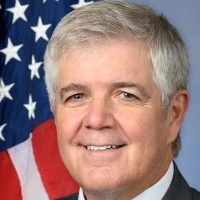
Cliff Bentz
Representative
OR
Cliff Bentz
Representative
OR
The Wildfire Reduction Market Expansion Act of 2026 amends the Clean Air Act to broaden the definition of "renewable biomass." By including forest manufacturing by-products, wildfire risk-reduction materials, and vegetation from defensible spaces, the bill incentivizes the removal of hazardous fuels from public and private lands. This legislation streamlines the certification process to support sustainable forest management and expand the market for renewable energy feedstocks.
The "Combating Illicit Xylazine Act" aims to combat the misuse of xylazine by adding it to Schedule III of the Controlled Substances Act, tracking its distribution, and ensuring appropriate penalties for related offenses, while also protecting legitimate veterinary use.
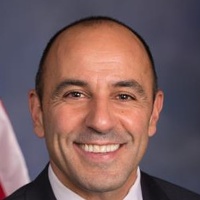
Jimmy Panetta
Representative
CA
Jimmy Panetta
Representative
CA
The "Combating Illicit Xylazine Act" aims to combat the illegal use of xylazine by adding it to Schedule III of the Controlled Substances Act, which would allow for increased regulation and tracking of the substance. The bill includes exemptions and delayed effective dates for certain requirements to ease the transition for legitimate users, such as veterinarians and animal handlers. It also directs the Sentencing Commission to review sentencing guidelines for xylazine-related offenses and mandates reports to Congress on the prevalence and impact of illicit xylazine use. Finally, it will include xylazine in Arcos tracking.
Tyler's Law mandates a study and subsequent guidance on the routine testing for fentanyl in hospital emergency departments during overdose treatment.
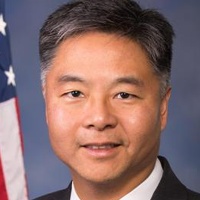
Ted Lieu
Representative
CA
Ted Lieu
Representative
CA
Tyler's Law mandates a comprehensive study by the Secretary of Health and Human Services on the frequency, cost, and impact of fentanyl testing in hospital emergency departments during overdose cases. Following the study, the Secretary must issue guidance on whether routine fentanyl testing should become standard practice for overdose patients. This guidance will also address staff training regarding existing drug test panels and the long-term health implications of such testing.
The FLOWS Act streamlines hydropower regulation by exempting routine maintenance and emergency repairs from FERC approval while establishing an expedited licensing process for small-scale, non-impoundment hydrokinetic energy projects.
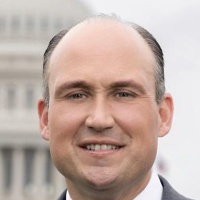
Nicholas Langworthy
Representative
NY
Nicholas Langworthy
Representative
NY
The Fair Licensing for Operations of Water Structures (FLOWS) Act streamlines hydropower regulation by exempting routine maintenance and emergency repairs from unnecessary federal approval. Additionally, the bill establishes an expedited, simplified licensing process for small-scale, non-damming micro hydrokinetic energy projects. These measures aim to reduce regulatory burdens while maintaining essential safety and environmental oversight.
This bill directs the Department of Energy to assess how artificial intelligence and high-performance computing can enhance the capacity, reliability, and efficiency of the bulk-power system.
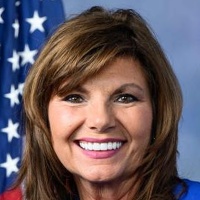
Diana Harshbarger
Representative
TN
Diana Harshbarger
Representative
TN
The Affordable Innovation for the Grid Act directs the Secretary of Energy to assess how artificial intelligence (AI) and high-performance computing can enhance the capacity and efficiency of the bulk-power system. This assessment will identify current uses, potential benefits, and existing barriers to adopting these advanced technologies. The resulting report will include recommendations for overcoming these barriers to promote grid modernization.
The Choices for Increased Mobility Act of 2026 establishes new Medicare billing codes and payment standards for ultralightweight manual wheelchairs, including specific provisions for titanium and carbon fiber models.
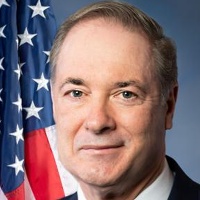
John Joyce
Representative
PA
John Joyce
Representative
PA
The Choices for Increased Mobility Act of 2026 updates Medicare coverage requirements for ultralightweight manual wheelchairs, effective January 1, 2028. The bill mandates the creation of distinct billing codes based on frame material, specifically allowing suppliers to charge patients the difference in cost for premium titanium or carbon fiber models. These provisions aim to provide clearer payment structures and enhanced transparency for patients selecting high-performance mobility equipment.
This bill mandates electronic prior authorization, increases transparency through required data reporting, and establishes faster decision timelines for Medicare Advantage plans to improve timely access to care for seniors.

Mike Kelly
Representative
PA
Mike Kelly
Representative
PA
The Improving Seniors’ Timely Access to Care Act of 2025 aims to streamline and modernize the prior authorization process within Medicare Advantage plans. This bill mandates the adoption of electronic prior authorization systems and significantly increases transparency regarding approval rates and decision times starting in 2027. Furthermore, it establishes new enrollee protections and grants the Secretary authority to enforce faster decision timeframes for medical services.
The Patients First Act of 2026 reforms Medicare physician payment systems to ensure more stable, predictable reimbursement for providers while improving patient access to primary care and value-based services.
John Joyce
Representative
PA
John Joyce
Representative
PA
The Patients First Act of 2026 is comprehensive legislation designed to stabilize Medicare physician payments, improve patient access to primary care, and transition the current quality reporting system to a more clinician-led framework. By modernizing reimbursement formulas, reducing financial volatility for providers, and increasing transparency in value-based care models, the bill aims to ensure a more sustainable and predictable healthcare environment. These reforms seek to lower out-of-pocket costs for patients while supporting the long-term viability of medical practices.
This Act establishes a comprehensive federal framework to improve diagnostic accuracy and safety by funding research, modernizing patient-reported safety data systems, and coordinating interagency efforts to reduce preventable medical errors.

Donald Beyer
Representative
VA
Donald Beyer
Representative
VA
The *Saving Lives and Reducing Health Care Waste by Improving Diagnosis in Medicine Act* aims to reduce preventable patient harm and healthcare costs caused by diagnostic errors. The bill establishes a comprehensive federal research and quality improvement program, modernizes patient-safety reporting infrastructure, and promotes the use of data science and AI to enhance diagnostic accuracy. Additionally, it creates an interagency council to coordinate federal efforts and mandates new training and quality standards to ensure safer, more timely diagnoses across the U.S. healthcare system.
The Expedited Access to Biosimilars Act streamlines the FDA approval process for biosimilar products by reducing unnecessary clinical trial requirements and mandating written justification for any additional studies requested.
Nicholas Langworthy
Representative
NY
Nicholas Langworthy
Representative
NY
The Expedited Access to Biosimilars Act streamlines the FDA approval process for biosimilar products by reducing requirements for unnecessary clinical trials. The bill mandates that the FDA provide written justification if it determines additional clinical studies are required, ensuring a more efficient and transparent path to licensure.
The American Enrichment Deployment Act amends the Atomic Energy Act to allow for the "at-risk" construction of uranium enrichment facilities prior to the issuance of a final license.
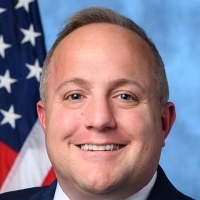
Russell Fry
Representative
SC
Russell Fry
Representative
SC
The American Enrichment Deployment Act amends the Atomic Energy Act of 1954 to allow for the "at-risk" construction of uranium enrichment facilities before a final license is issued. This legislation aims to streamline the development process for these facilities while maintaining the Nuclear Regulatory Commission’s full authority to regulate safety and deny licenses.
This bill establishes a grant program to fund residency training for OB-GYNs who must travel out of state for reproductive health care training due to restrictive state laws.
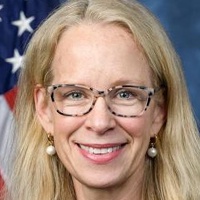
Kelly Morrison
Representative
MN
Kelly Morrison
Representative
MN
The SAFE Training for OB-GYNs Act establishes a federal grant program to help residency programs expand training in reproductive healthcare for professionals whose education is restricted by state abortion laws. This funding will support training programs and reimburse travel expenses for providers seeking necessary care education out of state. The program is authorized with $10 million annually from fiscal years 2027 through 2031.